Home Blog Page 6858

How ad tech CEOs ride out a recession, according to Ogury’s new CEO

January 10, 2023 | By Seb Joseph

It’s been a tough, sobering year in ad tech, with layoffs, advertising cuts, strategic resets and investment shortages. All of these issues arose while the ground continued to shift under the ad tech community as the tracking moved from precision to prediction.

It’s a lot to deal with. So Ogury’s new CEO Geoffroy Martin broke it all down.

This interview has been edited for length and clarity. 

The plan was always to have me initially join as the chief operating officer. The former CEO and co-founder Thomas Pasquet will become chairman of the board. This is an orderly transition from the founding team to my leadership. Look, I left a business like Criteo, which was at the center of arguably the most exciting trend in advertising [retail media] to come to Ogury because I believe there’s an even bigger opportunity around the future of cookieless tracking. It’s bigger because it’s an issue that impacts the entire industry. 

Ok, so you joined because you feel Ogury will land on the right side of history once this shift away from granular tracking shakes out. But every ad tech company believes the same thing. What made you so sure about Ogury’s chances?

This is a business that’s been working toward targeting people at scale without the knowledge of the identifiers since 2014 when the company was started. Back then the business was built on getting full consent from users to use their data for in-app mobile advertising. We did this up until 2020 when it stopped. By then we had collected enough anonymized data to really understand the landscape of our publishers. Doing so gave us the means to move forward with the next phase. 

Next phase?

It’s something we call personified advertising — as in we’re letting advertisers target personas, not persons. Instead of targeting people in specific demographics, we work with advertisers to define what the persona is they want to target then we use our unique (fully anonymized) data set to then define a list of destinations online, whether that’s in-app or in-browser, that I know are going to be highly correlated with that persona. We then start displaying the ads on those pages and apps knowing that the likelihood the brand is going to hit the persona they want is higher than anywhere else. These campaigns are delivered with all the safeguards, from brand safety to frequency capping. In short, we don’t care about someone’s identity. 

So targeting the asset, rather than the individual. Isn’t that just contextual targeting?

No. This isn’t contextual targeting nor is it semantic. Neither is enough on its own to give advertisers the scale needed to make upper-funnel advertising work. What makes our technology different is the data behind it. It’s the nuclear reactor for everything we do, and it’s a combination of four different factors: The first is the historical data from over 2 billion devices, which has allowed us to gain the knowledge and intelligence on what’s happening online.

Wait, before you move on to the other three points, how do you refresh that historical data? 

We’re conducting surveys at scale. To do this, instead of displaying an ad on a web page or in-app we display an ad format with no more than five questions. These are aimed at either qualifying a new page or validating the page that I’ve already indexed. From June to December last year, we collected 20 million data points this way. In 2023, we expect to get north of 40 million data points.

Thanks. Talk me through the other three points of the data plan?

Sure. The other parts revolve around campaign delivery data, which we feed back into the algorithm. Then there’s the contextual and semantic data points we’re collecting and optimizing against. Finally, there’s a cross campaign performance analyst part of the plan, which we’ll launch early in 2023.

What makes you so confident in this plan? 

We’re already performing better than a lot of the other ad targeting systems out there. For anything that’s lower mid-funnel to upper funnel, we’re better, or more performant, than solutions that rely on IDs. I can’t reveal numbers but another proof point is the fact that we find that as a business we’re competing more and more with those ID solutions in categories normally dominated by brand-focused campaigns. 

Is that going to be easy to capitalize on given the precarious state of the market?

We think so. In fact, we’re going to accelerate our growth in 2023 versus our growth in 2022. We have a healthy business model. So much so that the last time we had to raise capital was in 2019 when we brought in $50 million to the business. None of our growth plans are going to be slowed down by any financing capacity. Not when we’ve launched in several new markets since 2021. Doing so has created a lot of opportunity for us to bring in additional revenues from companies we have a lot of runway to grow.  Even though we have around 500 people, that’s still relatively small compared to other companies.

Are you not worried about the ad slowdown putting a spanner in the works?

No. I don’t think there’s a reason for us to panic. Sure, growth of advertising looks set to slow, potentially even coming in flat in 2023 but the digital component of that spending continues to grow relatively well — somewhere between 5% and 10%.

https://digiday.com/?p=483698

Read More
Seb Joseph
How Geoff Schiller is pitching Vice Media Group to the ad market amidst an economic downturn

Vice Media Group ended 2022 behind where it thought it was going to be — about $100 million short of the revenue goal of $700 million set by its leadership at the beginning of the year. But Geoff Schiller, VMG’s global evp of commercial and sales strategy, is optimistic that events, intellectual property and digital video will be the sellable assets that carry the company forward in 2023.

That’s because in his first quarter on the job (Schiller joined VMG in September after leaving Group Nine/Vox Media in June after almost three years), those products were the top areas of focus for advertisers, including partnering with VMG’s brands at Art Basel in Miami. Where other publishers reported growth in quick-turn campaigns and ads, like programmatic during the fourth quarter, Schiller said branded assets were still top of mind for Vice’s clients. 

In the latest episode of the Digiday Podcast, Schiller discusses his team’s strategy for selling new products in 2023, like Refinery29’s Twitch programming, as well as his philosophy on how hard to lean into revenue-share programs on social media. 

Highlight from the conversation have been lightly edited and condensed for clarity. 

Weighing the value of social media

My approach, as it relates to passive revenue and direct revenue, is to lean into predictability. Save for an algorithm change here or there, dotcom and indirect programmatic revenue from display and pre-roll bases has largely been a business that is stable [and] that companies can build predictable revenue on top of. Those companies that have significant dotcoms are seeing less revenue fluctuations.

As far as platform [revenue] sharing, it really is a story of the cream rising to the top. So I don’t think it’s a catch all that might be that secondary revenue stream that’s going to save publishers. It’s really, if you have compelling content, and it’s driving views, you’ll get rev shares. And if not, I don’t think you can retrofit. 

That’s what’s happened over the last six [to] seven years — the arms race around how many likes do you need to have on Facebook, then it was how many views. And you see what Meta does, which is every year they’re tweaking [their algorithm] and brands that try to retrofit [their content to the] algorithm fail. 

Long winded way of saying, display, pre-roll [and] programmatic: thumbs up. Social revenue streams on the passive side I think will be few and far between for only those publishers that aren’t delivering the most differentiated, the most compelling [content]. And so from that lens branded content and distribution of that branded content is where social has the most value, so it’s more of a direct play.

Leaning into experiential when others weren’t 

For us, Q4 was probably a little bit different [from what other publishers were reporting] because it was less about seamless, transactional media [and more about experiential and branded content against franchises].

We just [came] off of our first year in partnership with Art Basel in Miami and that involved IRL, social [and] light touch custom, as you might call it. And for us, that’s a good sign, because some [publishers] that are really dependent on branded content [are] seeing that [being] effect[ed by headwinds]. Clients will say, “We only want to focus on what’s easy. We have our assets [and] we want to push [those] out.” 

When you think about the concept of increasing market share, I think [Art] Basel and activating there, we had three partners across the Vice Media Group landscape — Cash App, Expedia and Marc Jacobs — all activated during a time when if you read the trades, it would lead you down a path of it’s all programmatic. So I think we are incredibly well positioned, not just in ‘23.

Quick timelines even on bigger campaigns 

With experiential, there is obviously lead time, [but] I would say [Art Basel] was definitely a lot more condensed. In a perfect world, we are six months out. That wasn’t the case here. 

Because we were working with Art Basel [in] a physical space, it was something that we actually were in market with a little bit later than usual. So I do think it’s a good bellwether for the fact that close to in-quarter activations are still top of mind for clients. And I think that unique marketplace differentiation of, if we want to do something big, if we want to earn media, if we want it to be grounded in award winning creative, they’re going to work with Vice. That really is compelling. 

As we go into [this] year, we’re going to try to be as strategic as we can, in terms of advanced selling. But separate from all of that, our franchises are an incredible asset to us and part of having franchises is being able to draw folks in early on because it’s predictable.

https://digiday.com/?p=483639

Read More
Kayleigh Barber

Marketing Briefing: How marketers are finding ways to use the latest buzzy AI tool, ChatGPT

Freelance creative director David Wecal has been testing the capabilities of ChatGPT — the artificial intelligence bot developed by OpenAI that’s been a hot topic among creatives in recent weeks — and posting the results on his LinkedIn.

Often engaging, sometimes surprising, Wecal is one of a number of creatives looking to understand what ChatGPT and similar AI offerings can do and what it will mean for the advertising industry.

So far, Wecal has found it to be “a tool to develop logic” that could possibly help craft social posts or news releases but it “doesn’t bring any style or humanity or a unique perspective,” he said. Industry professionals who have used ChatGPT (which is offering a “free research preview” according to a window that pops up when you sign up) say they’ve used it for brainstorms or to help them get past writers’ block. Marketers and agency execs say that they don’t see ChatGPT taking copywriting jobs but that it will likely be a tool advertisers use to help the creative process going forward.

“Think of it as a powerful jumping-off point that can spur ideas and help you narrow down the focus of what is possible,” said Christina Garnett, principal marketing manager at software company Hubspot in an email. “Initial question prompts that can gradually be expanded upon give creative teams a strong starting point they can either further lean into or deviate from.”

Ryan McDaid, head of strategy at creative shop Mojo Supermarket, echoed that sentiment.  

“It can be helpful in early phases of a brief,” said McDaid. “It functions at the level of an intern who can pull information and aggregate info for you. It won’t come to conclusions and won’t give you the insight. But it will be a starting point to help you think about a project.” 

Agency execs say that while clients aren’t asking about ChatGPT yet, agency employees have been testing its capabilities to determine how it can be used and what it can do for advertisers. Overall marketers and agency execs say that it is in an experimental and learning phase but ultimately they see it as a tool marketers will likely use going forward.

“ChatGPT is the new crypto… in terms of the hypecycle,” said Brendan Gahan, chief social officer and partner at Mekanism. “It’s here. It definitely has practical applications. It’s just the topic du jour. How it fits into our workflows long term and all its potential applications are [to be determined].” 

Gahan continued: “Just like the introduction of Adobe Illustrator or Photoshop, it makes content creation more accessible. Can you imagine being a designer in advertising today who didn’t know how to use those tools? 20 years ago it was possible. But, today it’s the barrier to entry. The same will be true with AI.”

As its usefulness is being determined, some creatives have wondered if it will eventually hurt copywriters as marketers seek to save money by using AI. Marketers and agency execs say that AI has a long way to go.

“I would heavily encourage copywriters to use it to stay up-to-date and make their work more efficient,” said Garnett. “Copywriters will be impacted by AI the way mathematicians were the calculator. Use it as a tool to improve your work and expand your impact with the efficiencies it creates.”

For what it’s worth, Digiday tested out ChatGPT for this article. The first few times we tried to log on the system was overloaded. When we were able to get on, it gave us headline suggestions — we used a shortened, edited one — that were as one editor put it, “better than I thought they’d be.”

3 Questions with Jesse Hiss, cofounder Fresh Sends a direct-to-consumer flower gifting delivery service

As a DTC business, how has Fresh Sends navigated all of the changes over the last year?

It’s been a crazy year. We’ve been extremely fortunate from the get-go to have tons of organic traction. But on top of that, we had some really early success on TikTok. We were there from a young age and [we were] actually coined the TikTok flowers early on. This year has been really the first year we’ve had to dive into building out a more detailed marketing strategy because it’s been so fortunate that things have gone our way up until then. It’s definitely been a tumultuous year, especially toward the end of the fourth quarter. We spent more on digital paid advertising than we ever had and didn’t see a huge uptick. 

Given digital ads haven’t offered much of a return on investment, what other tactics is Fresh Sends leveraging?

Last year, [we] hired a content creator/ambassador manager to start creating organic content. [That] has been a big push for us, creating authentic content that speaks to the mission of Fresh Sends, making people feel seen and loved. She’s working really hard with a handful of creators, creating organic content [and] a bunch of UGC. That’s been a big push. We’ve finally this year hired an agency to help us start to put together a better marketing plan going forward in the paid space, leaning on some of those tried and true stuff, such as search and organic search.

What’s the plan for 2023?

Creating content in general is really going to be [a focus]. All of the attributes on TikTok advertising have been lackluster in my opinion. So using our creator and having her manage a whole team of content creators throughout the country is one of our big pushes. We’re hoping that will be an organic, authentic way we can gain traction on what Fresh Sends actually is and the mission that we’re trying to accomplish. — Kimeko McCoy

By the numbers

Advertisers are experimenting more with in-game advertising to reach the gaming community, an audience largely considered under utilized. Gamers, however, prefer ads that don’t interrupt game play, according to recent research from Frameplay, a video game ad platform. Key findings from the report can be found below:

  • 34% of respondents said intrinsic in-game ads, i.e. ads that appear in gaming content, were the most effective in-game ad type at making them take action (more than any other ad type).
  • More than twice as many respondents said they found interstitial ads, i.e. ads placed between content (54%) and adjacent ads, i.e. ads that appear during breaks (43%) to be distracting, while less than a quarter said the same about intrinsic in-game ads (24%).
  • 45% of respondents reported seeing interstitial ads the most, compared to just 23% who saw intrinsic in-game ads the most. — Kimeko McCoy

Quote of the week

“Most publishers are sitting on a vast amount of rich first-party data, and as privacy regulations continue to tighten, operating with first-party data will be a significant and powerful advantage in the future. With this, you can build more accurate audiences and discover new sources of revenue, all through privacy-compliant methods.”

Freddie Turner, EMEA md at programmatic agency MiQ when asked about Schibsted making its first-party IDs widely available in the open market.

What we’ve covered

https://digiday.com/?p=483610

Read More
Kristina Monllos

Jordan Sherman is out as CEO of Immortals

January 10, 2023 | By Alexander Lee

money guillotine

Jordan Sherman is no longer CEO of Immortals Gaming Club. The news comes just over a year after Sherman stepped up as chief executive of the prominent esports organization following a corporate restructure in September 2021.

Sherman has been out since Dec. 22, according to three former Immortals staffers with knowledge of the situation. At the time of this article’s publication, neither Sherman nor Immortals has responded to Digiday’s requests for details or an explanation regarding the circumstances behind the former CEO’s exit; the company did not confirm Sherman’s exit officially, but messages to his official Immortals email address received an auto-response stating that he was no longer with the company. As of Jan. 9, an image of Sherman still featured prominently on the homepage of Immortals’ website.

To learn more about the behind-the-scenes events leading up to Sherman’s exit, Digiday spoke to 10 current and former employees of the company, all of whom requested anonymity to avoid jeopardizing future employment opportunities in the relatively insular esports industry. Many complained that they felt micromanaged in their roles at Immortals, with some expressing confusion or disapproval over the company’s strategic moves in 2022, including Immortals’ significant pivot from its Los Angeles origins to become a localized Great Lakes regional organization in late 2021.

Prior to taking on the CEO role, Sherman served as Immortals’ president and chief commercial officer since May 2021, and before then as an executive at esports organization Gen.G between June 2018 and May 2021. At the moment, Immortals does not appear to have named Sherman’s successor, and the organization currently has no active CEO. Ari Segal, who was Immortals’ CEO before Sherman took the reins, currently serves as the company’s executive chairman and co-managing director, a role he held before Sherman’s ouster.

During Sherman’s tenure at Immortals, he oversaw several significant strategic shifts for the company, including a zero-profit merchandise strategy designed to bring in new fans and the aforementioned Great Lakes pivot. The Great Lakes move was a gamble, as the long-term viability of localized esports businesses remains a matter of debate among industry leaders. That said, Immortals appeared to receive a warm welcome from gamers in the region at local activations such as its June “Immortals Invasion” event in Detroit.

Despite Sherman’s exit, the organization does not appear to be diverting course from its Great Lakes focus at the moment, according to a current Immortals employee who requested anonymity. However, two former staffers with knowledge of Immortals’ workings were more skeptical about the org’s commitment to the Great Lakes rebrand. 

“It was a little bit one-foot-in, one-foot-out the whole time I was there,” one anonymous former staffer told Digiday. “It looked a little bit less one-foot-out over the past year, but still not enough to actually increase the engagement.”

Sherman’s plans for Immortals were ambitious, and a second former employee told Digiday that the shortcomings of his administration were more a result of unchecked esports idealism than malice or incompetence. Regardless of his motivation, however, his tenure at Immortals was marked by occasional controversies and unrest among company staff. “I found him to be a very difficult person to work for,” the first former staffer told Digiday. “I don’t think he did a very good job at admitting what he didn’t know.”

Issues with management at Immortals led at least eight Immortals staffers to look for jobs elsewhere, according to the first former staffer. “Turnover is common in esports, but I think eight to 10 people voluntarily leaving over the course of 8 to 10 months is absolutely notable, and that’s what happened in 2022,” they said.

The feelings of disgruntlement spread to Immortals’ competitive players, too. In April 2022, Sherman sparked controversy by posting a critical statement about the team’s League of Legends players on the Immortals subreddit. The post was massively downvoted, with many fans accusing Sherman of using his players as scapegoats. 

On Dec. 22, the day of Sherman’s exit from Immortals, the team’s former League of Legends general manager Jake Pedro tweeted that he had “received some wonderful news that karma is indeed still real.” Mo “Revenge” Kaddoura, a current member of Immortals’ League of Legends roster, liked the tweet. Neither Pedro nor Kaddoura responded to Digiday’s requests to comment on the matter.

Today, I received some wonderful news that karma is indeed still real. Thanks Santa ?

— Ryuke (@JPryuke) December 22, 2022

Sherman is not the first high-ranking esports executive to step down in recent memory — and if trends continue, he won’t be the last. Kal Hourd stepped down as CEO of Guild Esports in November 2022; Bill McCullough left his role as evp of content at FaZe Clan in October; and Carlos Rodriguez was dismissed as CEO of G2 Esports amid a wave of controversy in September, among numerous other examples. 

“We’re exactly where many maturing industries are in their life cycle, in terms of leadership. We saw the same thing with tech CEOs as well; in the late 90s and early 2000s, there were a lot of people that were promoted beyond their capability,” said Jason Chung, a professor and director of the esports and gaming initiative at New York University. “So it’s basically the Peter Principle, where you keep on getting promoted because things are going well, but eventually you reach a limit of your training, competence and networks.”

As the esports industry starts to lose its luster in 2023’s bear market, more heads are likely to roll. “It’s a bloodbath out there,” Chung said. “Honestly, I think it’s a little bit of a free-for-all.”

https://digiday.com/?p=483580

Read More
Alexander Lee

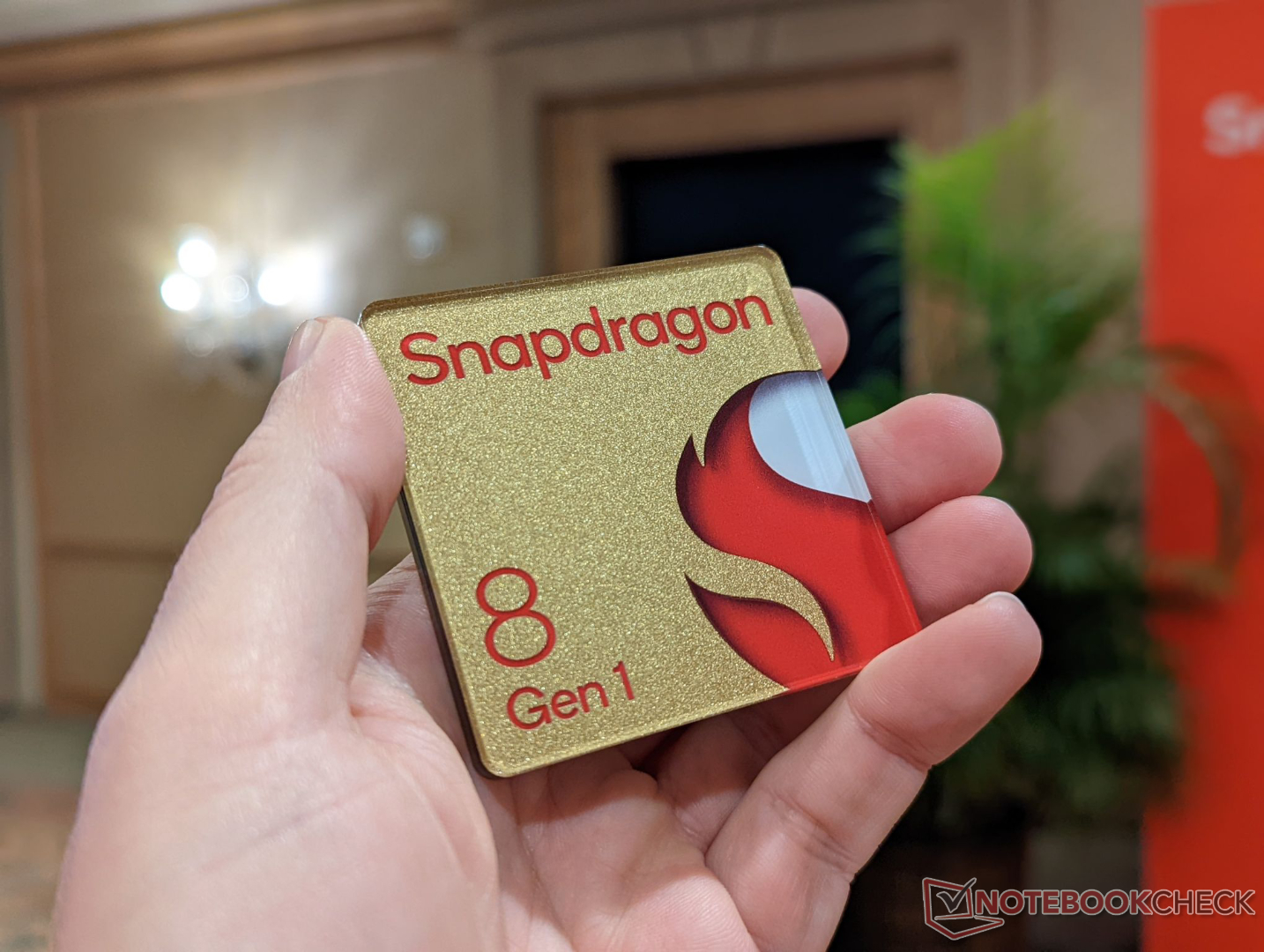
Qualcomm Snapdragon 8 Gen 3 could trade blows with Apple Silicon thanks to massive single and multi-core gains; Snapdragon 8 Gen 4 rumoured to launch with Nuvia cores

New details about the Snapdragon 8 Gen 3's performance have emerged online (image via own)
New details about the Snapdragon 8 Gen 3’s performance have emerged online (image via own)

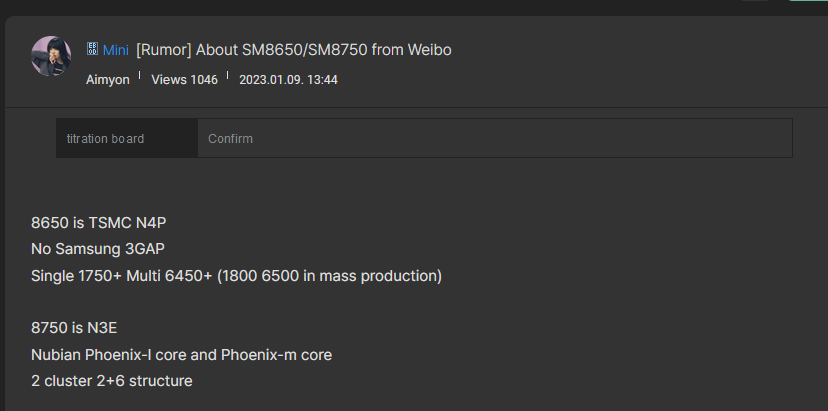
Qualcomm’s next flagship chipset, the Snapdragon 8 Gen 3, will supposedly score 1,800 and 6,500 points in Geekbench’s single and multi-core tests. It will be manufactured on TSMC’s N4P process, and not N3E as proclaimed by some rumours.

So far, the TSMC-made Qualcomm Snapdragon 8 Gen 2 has proven itself to be quite capable, besting even Apple’s best silicon in real-world gaming tests. Its immediate successor, the putative Snapdragon 8 Gen 2 Plus, will bring forth little improvements other than marginally higher clock speeds. 2024’s flagship, the Snapdragon 8 Gen 3 (tentative), on the other hand, has the potential to crush the A17 Bionic, at least in the multi-core department.

A rumour from Weibo (via Meeco.kr) says the Snapdragon 8 Gen 3’s Geekbench scores can go as high as 1,800 and 6,500 in the single and multi-core benchmark. The former is spitting distance away from the A16 Bionic’s best-recorded score of 1,847, and the latter sits somewhere between that (5,382) and the Apple M1 (7,143). Compared to the current-gen Snapdragon 8 Gen 2 (~1,500/,5,240 points in Geekbench), it brings forth a nearly 20% and 24% improvement in single and multi-core performance, respectively.

There is no word about the Snapdragon 8 Gen 3’s specs, but it’ll likely feature one Cortex-X3 core combined with three/four Cortex-A720 (tentative) and four/three Cortex-A510 cores. It will supposedly be manufactured on TSMC’s N4P process, not N3E, as suggested by previous rumours. However, there is one report out there that states some units could be manufactured on Samsung’s 3GAA node. That seems unlikely, as it could potentially result in Chipgate 2.0.

Its successor, the 2025-bound Snapdragon 8 Gen 4 (tentative), is said to feature a 6+2 configuration with Nuvia’s Oryon-based Phoenix L and Phoenix M cores. It is also slated to be the first Qualcomm processor to be fabricated on TSMC’s N3E process. One should get a rough idea about how the Nuvia cores hold up in the real world once its 12-core laptop chip debuts in 2024.

Buy the Samsung Galaxy Z Flip4 on Amazon

Machine-translated rumours about the Snapdragon 8 Gen 4 and Gen 4 (image via Meeco.kr)

Related Articles

Anil Ganti, 2023-01- 9 (Update: 2023-01- 9)

Read More
Nancie Howe

Xiaomi Mijia Instant Hot Water Dispenser new edition arrives with three-second heating

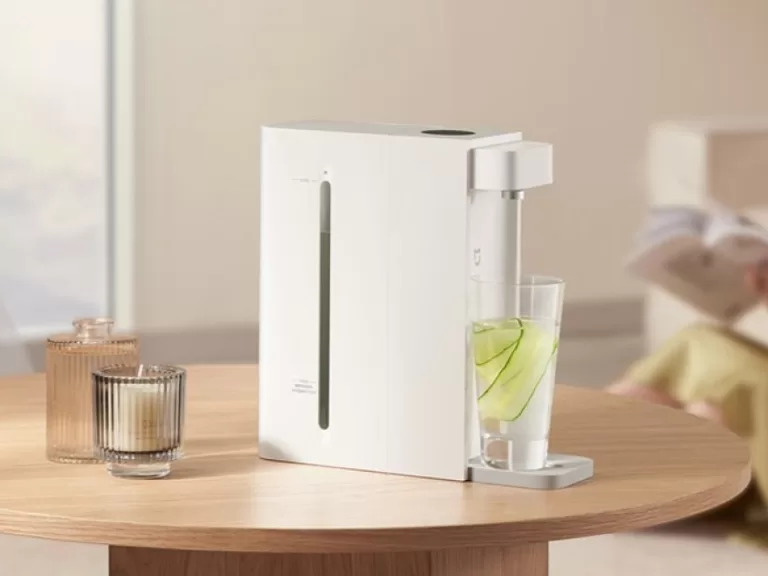
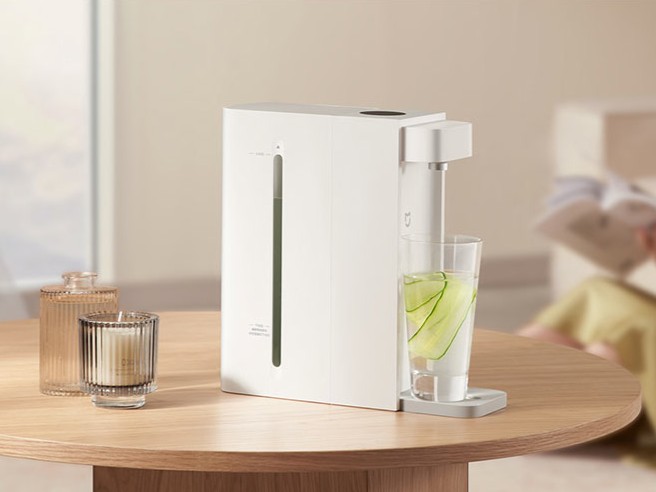
The new Xiaomi Mijia Instant Hot Water Dispenser can heat water in three seconds. (Image source: Xiaomi)

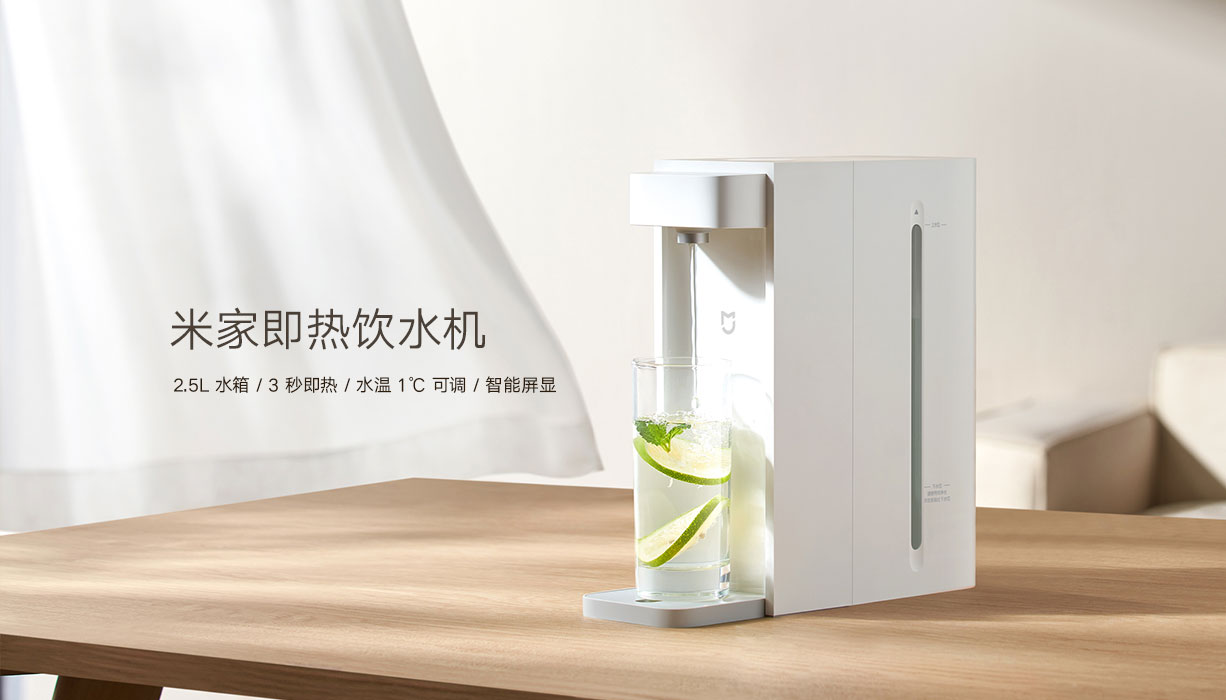
Xiaomi has launched the new Mijia Instant Hot Water Dispenser in China. The gadget has a 2.5 L (~84.5 fl. oz) capacity and can heat water in as little as three seconds. You can control the temperature to within 1 °C (~2 °F) or select from preset temperatures. Smart features include a water shortage alarm and self-cleaning mode.

The new Xiaomi Mijia Instant Hot Water Dispenser has been launched in China. The gadget can heat water in as little as three seconds using 2,200 W power. The drinks machine has a 2.5 L (~84.5 fl. oz) capacity, which the company suggests is enough for 2-3 people to share daily. Xiaomi indicates that you could use the product to make tea, flavored water or baby formula drinks.

You can use a built-in smart screen display to view the temperature of the water and touch controls to adjust the machine’s settings. You can select from three preset temperatures: room temperature, boiling (100 °C or 212 °F) or 45 °C (~113 °F). Alternatively, you can use plus and minus buttons to select the temperature of your choice, accurate to 1 °C (~2 °F). Other features include a child lock, self-cleaning mode and water shortage alarm to prevent the base of the gadget from burning.

The water machine is made of food-safe materials, and you can remove the water tank for deeper cleaning. According to Xiaomi, the gadget can run quietly at 45.3 dB. The white device measures 105 x 278 x 278 mm (~4.1 x 10.9 x 10.9-in) and weighs approximately 1.5 kg (~3.3 lbs). You can buy the Xiaomi Mijia Instant Hot Water Dispenser in China for 249 yuan (~US$37). It is unclear whether or when the gadget could launch in other markets.

The new Xiaomi Mijia Instant Hot Water Dispenser. (Image source: Xiaomi)

Related Articles

Polly Allcock, 2023-01- 9 (Update: 2023-01- 9)

Read More
Lawanda Lupo

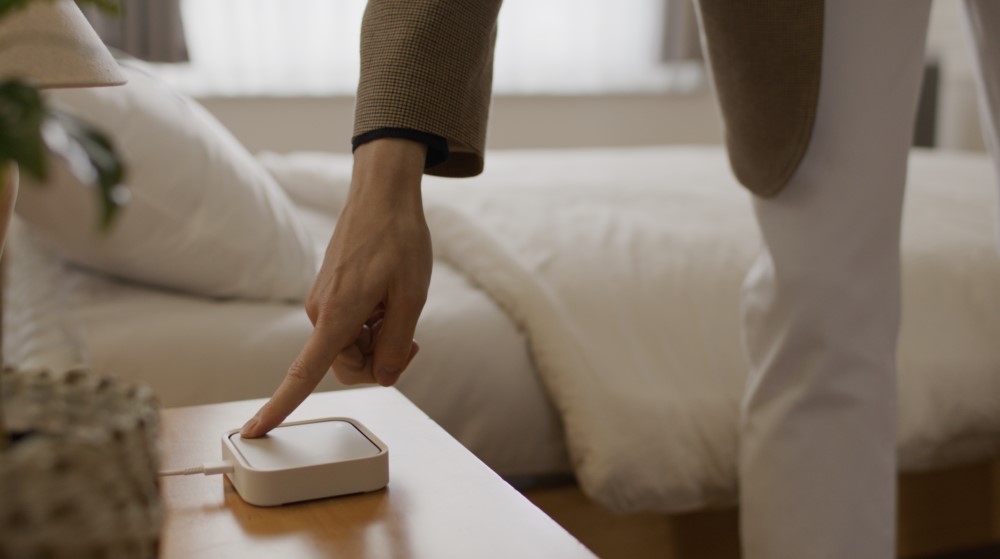
Samsung SmartThings Station revealed with Matter support and built-in Qi wireless charger

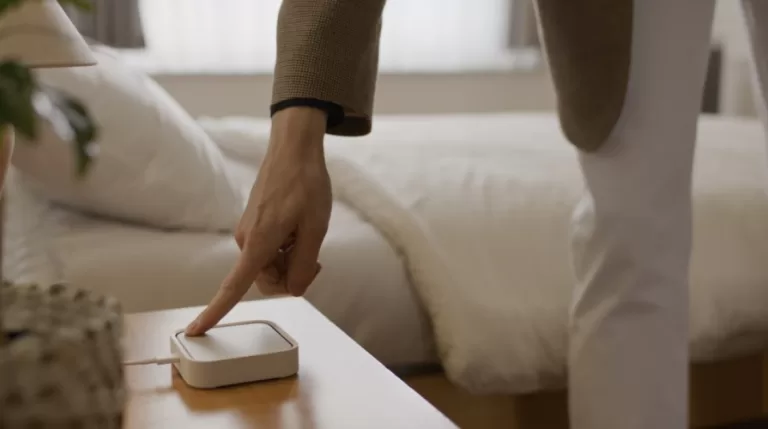
The Samusng SmartThings Station succeeds the discontinued SmartThings Hub. (Image source: Samsung)

Samsung has returned to the idea of a dedicated smart home hub, having pulled the SmartThings Hub. In its place is the SmartThings Station, a compact device that is compatible with the Matter home networking protocol. For some reason, Samsung has included a 15 W wireless charging pad within the SmartThings Station too.

Samsung has lifted the lid on the SmartThings Station, a multi-purpose device that leaked last year. As expected, the SmartThings Station is a smart home hub and a wireless charging pad. In fact, the SmartThings Station resembles the Super Fast Wireless Charger Pad but with a small button in one of its corners. Incidentally, both devices can recharge something wirelessly at up to 15 W.

As its name suggests, the SmartThings Station serves as a smart home device hub, allowing you to control smart home devices when not on your home Wi-Fi network. The SmartThings Station can trigger pre-set routines too, which can be mapped to a short, long or double press. Samsung claims that the unit can monitor the location of registered devices, although this appears limited to whether they are at home. Regardless, the SmartThings Station is Matter compatible.

Samsung will launch the SmartThings Station first in the US, where it will be available next month. So far, the company has only confirmed that the SmartThings Station is also coming to South Korea; presumably, the company will release the device in other markets eventually, such as Africa, Europe and the Middle East. Samsung has not confirmed pricing yet, but it has outlined that the SmartThings Station will be available in black or white colourways.

Related Articles

Alex Alderson, 2023-01- 9 (Update: 2023-01- 9)

Read More
Gaylene Fleishman

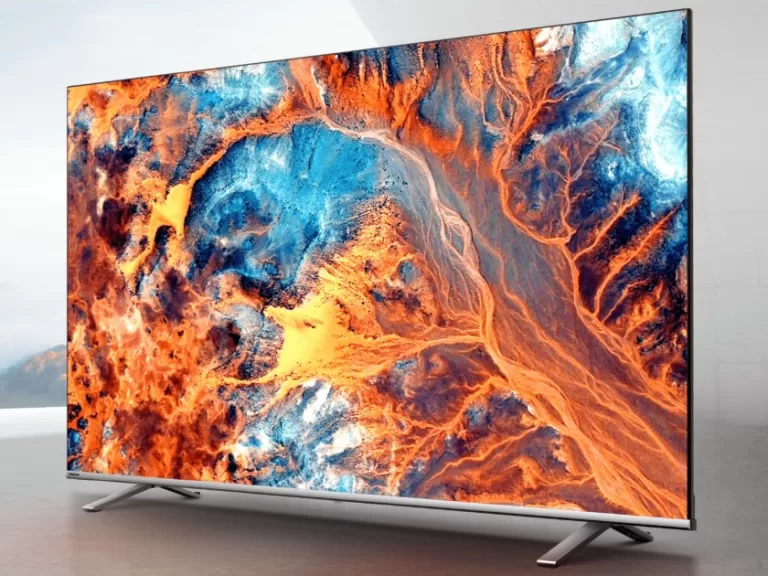
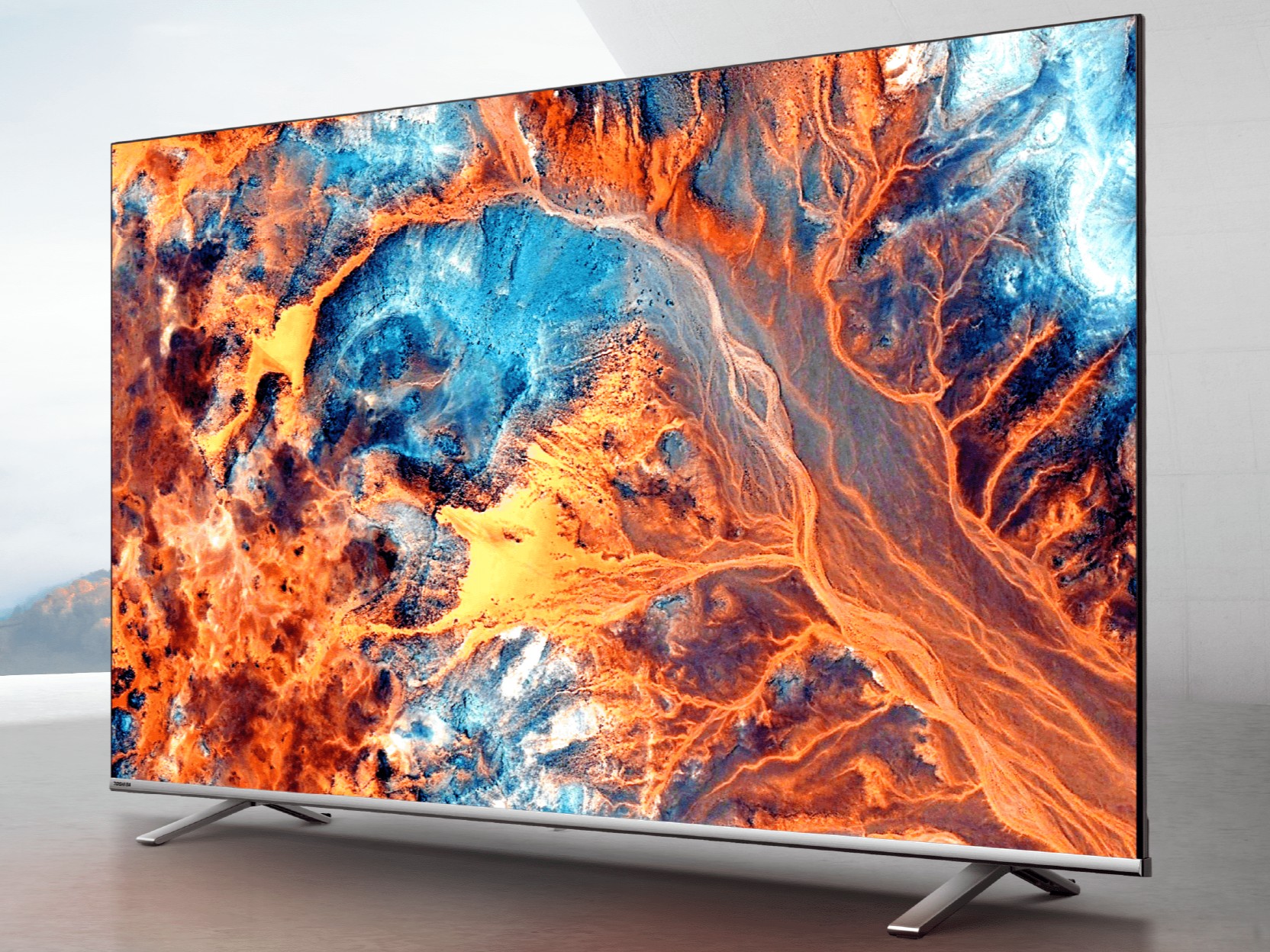
Toshiba Class C350 Series 4K smart TV with Dolby Vision reduced by up to US$330

The Toshiba Class C350 Series 4K smart TV is discounted at Best Buy in the US. (Image source: Toshiba)

Best Buy currently offers discounts on the Toshiba Class C350 Series LED 4K UHD Smart Fire TV range. The gadgets are available in sizes from 43-in to 75-in, with a saving of up to US$330. The TVs support Dolby Vision and Dolby Audio technologies, with ALLM for enhanced gaming.

The Toshiba Class C350 Series LED 4K UHD Smart Fire TV is currently on sale. At Best Buy in the US, you can save US$330 off the 75-in model, now costing US$569.99; the device typically retails for US$899.99. The 65-in version is discounted by US$200, presently priced at US$399.99 rather than US$599.99.

Also reduced is the 55-in model, selling for US$299.99; that’s a US$170 saving off the US$469.99 MSRP. The 50-in is on sale for US$269.99, previously priced at US$429.99, meaning you save US$160. Plus, the entry-level 43-in is reduced by US$100, selling for US$229.99 rather than US$329.99. The deal on this smaller TV is also available at Amazon.

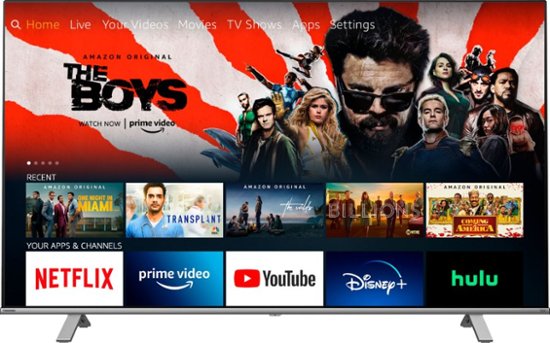
The 2021 Toshiba C350 TV Series has a 4K resolution, supporting Dolby Vision, HDR and HDR10. Gaming features include ALLM and four HDMI ports. However, the device has a maximum refresh rate of 60 Hz, with motion enhancement to 120 Hz. Fire TV enables you to stream content on the device from popular services such as Netflix, YouTube and Hulu. Plus, you can control the gadget with Amazon Alexa voice commands. You can also cast videos to your TV via Apple AirPlay. The product has built-in speakers, compatible with Dolby Audio and DTS Virtual:X. It is unclear how long these Best Buy deals on the Toshiba Class C350 Series 4K Smart TVs will last.

The Toshiba Class C350 Series 4K smart TV. (Image source: Toshiba)

Disclaimer: Notebookcheck is not responsible for price changes carried out by retailers. The discounted price or deal mentioned in this item was available at the time of writing and may be subject to time restrictions and/or limited unit availability.

Related Articles

Polly Allcock, 2023-01-10 (Update: 2023-01-10)

Read More
Luz Ramage

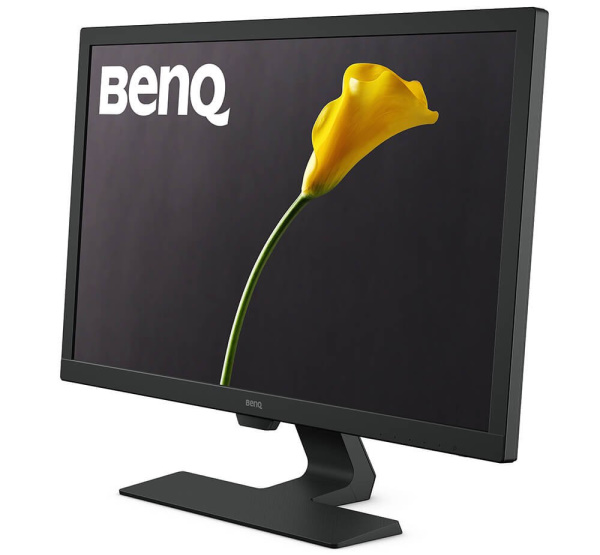
BenQ GL2780 27-inch gaming monitor 29% off on Amazon

BenQ GL2780 FHD gaming monitor with TN panel and 75 Hz refresh (Source: BenQ)

Although it lacks height adjustment and uses a TN panel, its 1 ms response time and 75 Hz refresh rate make the BenQ GL2780 an attractive choice for gamers on a tight budget. The ongoing discount (on both Amazon and BenQ’s website) brings this FHD 27-inch monitor to US$149.99, 29% down from the list price of US$209.99.

Unveiled in early September 2019, the BenQ GL2780 is the larger sibling of the 24-inch BenQ GL2480. Although these monitors lack a height-adjustable stand and their refresh rate is limited to just 75 Hz, BenQ advertises them as gaming monitors. While gamers on a low budget usually don’t need NVIDIA G-Sync or AMD FreeSync support, the 1 ms response time combined with the discounted price of US$149.99 are two strong arguments in favor of the BenQ GL2780.

The lineup of GL and GW gaming monitors by BenQ is very popular on Amazon, with no less than 23,656 user reviews and over 1000 answered questions. Sadly, there is no separate rating for the GL2780, but the main difference between these monitors lays in their size. The Amazon global rating is 4.7/5, with 81% perfect reviews and 12% 4/5 ratings. The breakdown by feature highlights the quality of materials used (4.6), brightness (4.5), picture quality (4.4), gaming performance (4.2), screen quality (4.1), and sound quality (3.7).

In addition to the specs mentioned earlier, it should also be mentioned that the BenQ GL2780 sports a 27-inch TN LED panel with low blue light and adaptive brightness, as well as ePaper and Color Weakness modes. It also sports two stereo speakers with a power of 2 W each. The color gamut is rather limited, with a value of 72% NTSC. In terms of connectivity, everything is covered, namely HDMI, DVI, DP, and even VGA.

The BenQ GL2780 is covered by a three-year warranty and gets the same 29% discount (from the same list price of US$209.99) on both Amazon and BenQ’s website.  

Buy the BenQ GL2780 27-inch gaming monitor on Amazon

Disclaimer: Notebookcheck is not responsible for price changes carried out by retailers. The discounted price or deal mentioned in this item was available at the time of writing and may be subject to time restrictions and/or limited unit availability.

Amazon (see affiliate link at the end of the article)

Related Articles

Codrut Nistor, 2023-01-10 (Update: 2023-01-10)

Read More
Marquis Schewe

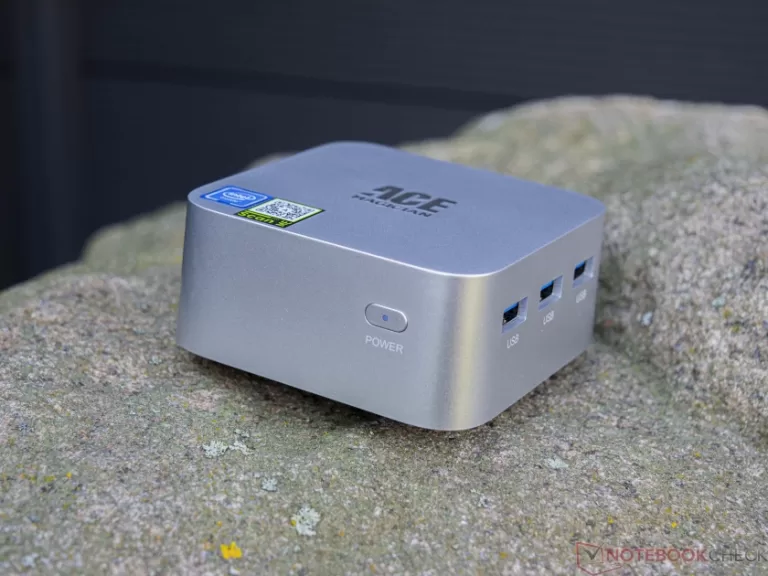
Ace Magician T8Pro review: Budget mini PC for office use – NotebookCheck.net Reviews

Cinebench R15
CPU Single 64Bit
Newsmay AC8 N6005
Intel Pentium Silver N6005, 2000 MHz


123 Points ∼38% +21%

Geekom MiniAir 11
Intel Celeron N5095, 2000 MHz


107.3 Points ∼33% +5%

Geekom MiniAir 11 Special Edition
Intel Celeron N5095, 2000 MHz


106 Points ∼32% +4%

Average Intel Celeron N5095
  (95.4 – 109, n=5)


103.9 Points ∼32% +2%

Minipc Union Ace Magician T8Pro
Intel Celeron N5095, 2000 MHz


102 Points ∼31%

Beelink U59 Mini-S
Intel Celeron N5095, 2000 MHz


95.4 Points ∼29% -6%

AC6-M Mini-PC
Intel Celeron J4125, 2000 MHz


77 Points ∼23% -25%

Zotac ZBOX PI336 pico
Intel Celeron N6211, 1200 MHz


76 Points ∼23% -25%

CPU Multi 64Bit
Geekom MiniAir 11
Intel Celeron N5095, 2000 MHz


372 Points ∼4% +4%

Geekom MiniAir 11 Special Edition
Intel Celeron N5095, 2000 MHz


369 Points ∼4% +3%

Minipc Union Ace Magician T8Pro
Intel Celeron N5095, 2000 MHz


359 Points ∼4%

Beelink U59 Mini-S
Intel Celeron N5095, 2000 MHz


358 (350.25min – 357.53max) Points ∼4% 0%

Average Intel Celeron N5095
  (221 – 379, n=6)


343 Points ∼4% -4%

Newsmay AC8 N6005
Intel Pentium Silver N6005, 2000 MHz


319 Points ∼3% -11%

AC6-M Mini-PC
Intel Celeron J4125, 2000 MHz


248 Points ∼3% -31%

Zotac ZBOX PI336 pico
Intel Celeron N6211, 1200 MHz


128 Points ∼1% -64%

Cinebench R20
CPU (Single Core)
Newsmay AC8 N6005
Intel Pentium Silver N6005, 2000 MHz


266 Points ∼31% +14%

Geekom MiniAir 11
Intel Celeron N5095, 2000 MHz


236 Points ∼27% +1%

Geekom MiniAir 11 Special Edition
Intel Celeron N5095, 2000 MHz


234 Points ∼27% 0%

Average Intel Celeron N5095
  (228 – 239, n=5)


234 Points ∼27% 0%

Minipc Union Ace Magician T8Pro
Intel Celeron N5095, 2000 MHz


233 Points ∼27%

Beelink U59 Mini-S
Intel Celeron N5095, 2000 MHz


228 Points ∼26% -2%

Zotac ZBOX PI336 pico
Intel Celeron N6211, 1200 MHz


174 Points ∼20% -25%

AC6-M Mini-PC
Intel Celeron J4125, 2000 MHz


171 Points ∼20% -27%

CPU (Multi Core)
Geekom MiniAir 11 Special Edition
Intel Celeron N5095, 2000 MHz


828 Points ∼4% +1%

Geekom MiniAir 11
Intel Celeron N5095, 2000 MHz


827 Points ∼4% +1%

Average Intel Celeron N5095
  (804 – 844, n=5)


825 Points ∼4% 0%

Minipc Union Ace Magician T8Pro
Intel Celeron N5095, 2000 MHz


822 Points ∼3%

Beelink U59 Mini-S
Intel Celeron N5095, 2000 MHz


804 Points ∼3% -2%

Newsmay AC8 N6005
Intel Pentium Silver N6005, 2000 MHz


720 Points ∼3% -12%

AC6-M Mini-PC
Intel Celeron J4125, 2000 MHz


556 Points ∼2% -32%

Zotac ZBOX PI336 pico
Intel Celeron N6211, 1200 MHz


285 Points ∼1% -65%

Cinebench R23
Single Core
Newsmay AC8 N6005
Intel Pentium Silver N6005, 2000 MHz


696 Points ∼31% +15%

Beelink U59 Mini-S
Intel Celeron N5095, 2000 MHz


615 Points ∼27% +1%

Geekom MiniAir 11 Special Edition
Intel Celeron N5095, 2000 MHz


611 Points ∼27% +1%

Average Intel Celeron N5095
  (587 – 621, n=5)


608 Points ∼27% 0%

Minipc Union Ace Magician T8Pro
Intel Celeron N5095, 2000 MHz


607 Points ∼27%

Geekom MiniAir 11
Intel Celeron N5095, 2000 MHz


587 Points ∼26% -3%

Zotac ZBOX PI336 pico
Intel Celeron N6211, 1200 MHz


439 Points ∼19% -28%

Multi Core
Geekom MiniAir 11
Intel Celeron N5095, 2000 MHz


2176 (2164.67min – 2176.1max) Points ∼4% +1%

Average Intel Celeron N5095
  (2150 – 2219, n=5)


2174 Points ∼4% +1%

Geekom MiniAir 11 Special Edition
Intel Celeron N5095, 2000 MHz


2164 Points ∼4% +1%

Beelink U59 Mini-S
Intel Celeron N5095, 2000 MHz


2159 (2113.79min – 2158.74max) Points ∼4% 0%

Minipc Union Ace Magician T8Pro
Intel Celeron N5095, 2000 MHz


2150 Points ∼4%

Newsmay AC8 N6005
Intel Pentium Silver N6005, 2000 MHz


1833 Points ∼3% -15%

Zotac ZBOX PI336 pico
Intel Celeron N6211, 1200 MHz


735 Points ∼1% -66%

Cinebench R11.5
CPU Single 64Bit
Newsmay AC8 N6005
Intel Pentium Silver N6005, 2000 MHz


1.47 Points ∼5% +18%

Geekom MiniAir 11 Special Edition
Intel Celeron N5095, 2000 MHz


1.29 Points ∼4% +3%

Average Intel Celeron N5095
  (1.25 – 1.29, n=2)


1.27 Points ∼4% +2%

Minipc Union Ace Magician T8Pro
Intel Celeron N5095, 2000 MHz


1.25 Points ∼4%

Zotac ZBOX PI336 pico
Intel Celeron N6211, 1200 MHz


0.97 Points ∼3% -22%

AC6-M Mini-PC
Intel Celeron J4125, 2000 MHz


0.92 Points ∼3% -26%

CPU Multi 64Bit
Geekom MiniAir 11 Special Edition
Intel Celeron N5095, 2000 MHz


4.76 Points ∼7% +2%

Average Intel Celeron N5095
  (4.65 – 4.76, n=2)


4.71 Points ∼7% +1%

Minipc Union Ace Magician T8Pro
Intel Celeron N5095, 2000 MHz


4.65 Points ∼7%

Newsmay AC8 N6005
Intel Pentium Silver N6005, 2000 MHz


4.14 Points ∼6% -11%

AC6-M Mini-PC
Intel Celeron J4125, 2000 MHz


3.09 Points ∼4% -34%

Zotac ZBOX PI336 pico
Intel Celeron N6211, 1200 MHz


1.65 Points ∼2% -65%

Cinebench R10
Rendering Single CPUs 64Bit
Newsmay AC8 N6005
Intel Pentium Silver N6005, 2000 MHz


6163 Points ∼34% +18%

Geekom MiniAir 11 Special Edition
Intel Celeron N5095, 2000 MHz


5451 Points ∼30% +4%

Average Intel Celeron N5095
  (5224 – 5451, n=2)


5338 Points ∼29% +2%

Minipc Union Ace Magician T8Pro
Intel Celeron N5095, 2000 MHz


5224 Points ∼28%

Zotac ZBOX PI336 pico
Intel Celeron N6211, 1200 MHz


4120 Points ∼22% -21%

AC6-M Mini-PC
Intel Celeron J4125, 2000 MHz


3711 Points ∼20% -29%

Rendering Multiple CPUs 64Bit
Minipc Union Ace Magician T8Pro
Intel Celeron N5095, 2000 MHz


17278 Points ∼12%

Average Intel Celeron N5095
  (16442 – 17278, n=2)


16860 Points ∼12% -2%

Geekom MiniAir 11 Special Edition
Intel Celeron N5095, 2000 MHz


16442 Points ∼12% -5%

Newsmay AC8 N6005
Intel Pentium Silver N6005, 2000 MHz


15504 Points ∼11% -10%

AC6-M Mini-PC
Intel Celeron J4125, 2000 MHz


10705 Points ∼8% -38%

Zotac ZBOX PI336 pico
Intel Celeron N6211, 1200 MHz


6653 Points ∼5% -61%

Blender – v2.79 BMW27 CPU
Zotac ZBOX PI336 pico
Intel Celeron N6211, 1200 MHz


3767 Seconds * ∼27% -144%

AC6-M Mini-PC
Intel Celeron J4125, 2000 MHz


2379 Seconds * ∼17% -54%

Newsmay AC8 N6005
Intel Pentium Silver N6005, 2000 MHz


1805 Seconds * ∼13% -17%

Beelink U59 Mini-S
Intel Celeron N5095, 2000 MHz


1624 Seconds * ∼11% -5%

Geekom MiniAir 11 Special Edition
Intel Celeron N5095, 2000 MHz


1550 Seconds * ∼11% -0%

Average Intel Celeron N5095
  (1502 – 1624, n=5)


1548 Seconds * ∼11% -0%

Minipc Union Ace Magician T8Pro
Intel Celeron N5095, 2000 MHz


1547 Seconds * ∼11%

Geekom MiniAir 11
Intel Celeron N5095, 2000 MHz


1502 Seconds * ∼11% +3%

wPrime 2.10
32m
Zotac ZBOX PI336 pico
Intel Celeron N6211, 1200 MHz


49.66 s * ∼10% -159%

Geekom MiniAir 11 Special Edition
Intel Celeron N5095, 2000 MHz


19.779 s * ∼4% -3%

Average Intel Celeron N5095
  (19.2 – 19.8, n=2)


19.5 s * ∼4% -2%

Minipc Union Ace Magician T8Pro
Intel Celeron N5095, 2000 MHz


19.202 s * ∼4%

AC6-M Mini-PC
Intel Celeron J4125, 2000 MHz


17.37 s * ∼3% +10%

Newsmay AC8 N6005
Intel Pentium Silver N6005, 2000 MHz


17.09 s * ∼3% +11%

1024m
Zotac ZBOX PI336 pico
Intel Celeron N6211, 1200 MHz


1561.178 s * ∼18% -158%

Geekom MiniAir 11 Special Edition
Intel Celeron N5095, 2000 MHz


617.326 s * ∼7% -2%

Newsmay AC8 N6005
Intel Pentium Silver N6005, 2000 MHz


615 s * ∼7% -2%

Average Intel Celeron N5095
  (605 – 617, n=2)


611 s * ∼7% -1%

Minipc Union Ace Magician T8Pro
Intel Celeron N5095, 2000 MHz


605.375 s * ∼7%

AC6-M Mini-PC
Intel Celeron J4125, 2000 MHz


566 s * ∼7% +7%

X264 HD Benchmark 4.0
Pass 1
Geekom MiniAir 11 Special Edition
Intel Celeron N5095, 2000 MHz


120.25 (119.9min – 120.3max) fps ∼28% +7%

Average Intel Celeron N5095
  (112.8 – 120.3, n=2)


116.5 fps ∼27% +3%

Minipc Union Ace Magician T8Pro
Intel Celeron N5095, 2000 MHz


112.75 (112min – 114.5max) fps ∼26%

Newsmay AC8 N6005
Intel Pentium Silver N6005, 2000 MHz


102 (100min – 118max) fps ∼24% -10%

AC6-M Mini-PC
Intel Celeron J4125, 2000 MHz


78.9 (77.1min – 81.7max) fps ∼19% -30%

Zotac ZBOX PI336 pico
Intel Celeron N6211, 1200 MHz


45.25 (44.7min – 45.7max) fps ∼11% -60%

Pass 2
Geekom MiniAir 11 Special Edition
Intel Celeron N5095, 2000 MHz


25.25 (25.2min – 25.4max) fps ∼9% +2%

Average Intel Celeron N5095
  (24.8 – 25.3, n=2)


25 fps ∼9% +1%

Minipc Union Ace Magician T8Pro
Intel Celeron N5095, 2000 MHz


24.75 (24.5min – 25max) fps ∼9%

Newsmay AC8 N6005
Intel Pentium Silver N6005, 2000 MHz


21.6 (21.5min – 22.1max) fps ∼8% -13%

AC6-M Mini-PC
Intel Celeron J4125, 2000 MHz


16.75 (16.7min – 16.9max) fps ∼6% -32%

Zotac ZBOX PI336 pico
Intel Celeron N6211, 1200 MHz


9.995 (9.97min – 10.2max) fps ∼4% -60%

WinRAR – Result
Geekom MiniAir 11 Special Edition
Intel Celeron N5095, 2000 MHz


1781 KB/s ∼10% +9%

Average Intel Celeron N5095
  (1630 – 1781, n=2)


1706 KB/s ∼10% +5%

Minipc Union Ace Magician T8Pro
Intel Celeron N5095, 2000 MHz


1630 KB/s ∼9%

Newsmay AC8 N6005
Intel Pentium Silver N6005, 2000 MHz


1525 KB/s ∼9% -6%

AC6-M Mini-PC
Intel Celeron J4125, 2000 MHz


1140 KB/s ∼7% -30%

Zotac ZBOX PI336 pico
Intel Celeron N6211, 1200 MHz


731 KB/s ∼4% -55%

TrueCrypt
AES Mean 100MB
Newsmay AC8 N6005
Intel Pentium Silver N6005, 2000 MHz


2.6 GB/s ∼0% +4%

Geekom MiniAir 11 Special Edition
Intel Celeron N5095, 2000 MHz


2.5 GB/s ∼0% 0%

Minipc Union Ace Magician T8Pro
Intel Celeron N5095, 2000 MHz


2.5 GB/s ∼0%

Average Intel Celeron N5095
  (2.5 – 2.5, n=2)


2.5 GB/s ∼0% 0%

AC6-M Mini-PC
Intel Celeron J4125, 2000 MHz


1.9 GB/s ∼0% -24%

Zotac ZBOX PI336 pico
Intel Celeron N6211, 1200 MHz


0.979 GB/s ∼0% -61%

Twofish Mean 100MB
Newsmay AC8 N6005
Intel Pentium Silver N6005, 2000 MHz


0.403 GB/s ∼0% +9%

Geekom MiniAir 11 Special Edition
Intel Celeron N5095, 2000 MHz


0.37 GB/s ∼0% 0%

Minipc Union Ace Magician T8Pro
Intel Celeron N5095, 2000 MHz


0.37 GB/s ∼0%

Average Intel Celeron N5095
  (0.37 – 0.37, n=2)


0.37 GB/s ∼0% 0%

AC6-M Mini-PC
Intel Celeron J4125, 2000 MHz


0.266 GB/s ∼0% -28%

Zotac ZBOX PI336 pico
Intel Celeron N6211, 1200 MHz


0.14 GB/s ∼0% -62%

Serpent Mean 100MB
Newsmay AC8 N6005
Intel Pentium Silver N6005, 2000 MHz


0.23 GB/s ∼0% +16%

Geekom MiniAir 11 Special Edition
Intel Celeron N5095, 2000 MHz


0.198 GB/s ∼0% 0%

Minipc Union Ace Magician T8Pro
Intel Celeron N5095, 2000 MHz


0.198 GB/s ∼0%

Average Intel Celeron N5095
  (0.198 – 0.198, n=2)


0.198 GB/s ∼0% 0%

AC6-M Mini-PC
Intel Celeron J4125, 2000 MHz


0.182 GB/s ∼0% -8%

Zotac ZBOX PI336 pico
Intel Celeron N6211, 1200 MHz


0.074 GB/s ∼0% -63%

Geekbench 5.4
Multi-Core
Minipc Union Ace Magician T8Pro
Intel Celeron N5095, 2000 MHz


2052 Points ∼7%

Geekom MiniAir 11
Intel Celeron N5095, 2000 MHz


2036 Points ∼7% -1%

Geekom MiniAir 11 Special Edition
Intel Celeron N5095, 2000 MHz


2020 Points ∼7% -2%

Average Intel Celeron N5095
  (1933 – 2052, n=4)


2010 Points ∼7% -2%

Beelink U59 Mini-S
Intel Celeron N5095, 2000 MHz


1933 Points ∼7% -6%

Newsmay AC8 N6005
Intel Pentium Silver N6005, 2000 MHz


1673 Points ∼6% -18%

AC6-M Mini-PC
Intel Celeron J4125, 2000 MHz


1501 Points ∼5% -27%

Zotac ZBOX PI336 pico
Intel Celeron N6211, 1200 MHz


844 Points ∼3% -59%

Single-Core
Geekom MiniAir 11
Intel Celeron N5095, 2000 MHz


659 Points ∼29% +3%

Geekom MiniAir 11 Special Edition
Intel Celeron N5095, 2000 MHz


657 Points ∼28% +3%

Average Intel Celeron N5095
  (637 – 659, n=4)


649 Points ∼28% +2%

Beelink U59 Mini-S
Intel Celeron N5095, 2000 MHz


644 Points ∼28% +1%

Minipc Union Ace Magician T8Pro
Intel Celeron N5095, 2000 MHz


637 Points ∼28%

Newsmay AC8 N6005
Intel Pentium Silver N6005, 2000 MHz


606 Points ∼26% -5%

Zotac ZBOX PI336 pico
Intel Celeron N6211, 1200 MHz


556 Points ∼24% -13%

AC6-M Mini-PC
Intel Celeron J4125, 2000 MHz


455 Points ∼20% -29%

Geekbench 5.0
5.0 Multi-Core
Minipc Union Ace Magician T8Pro
Intel Celeron N5095, 2000 MHz


2041 Points ∼6%

Average Intel Celeron N5095
  (1985 – 2070, n=4)


2029 Points ∼6% -1%

Geekom MiniAir 11
Intel Celeron N5095, 2000 MHz


2020 Points ∼6% -1%

Geekom MiniAir 11 Special Edition
Intel Celeron N5095, 2000 MHz


1985 Points ∼6% -3%

AC6-M Mini-PC
Intel Celeron J4125, 2000 MHz


1482 Points ∼5% -27%

Newsmay AC8 N6005
Intel Pentium Silver N6005, 2000 MHz


1313 Points ∼4% -36%

Zotac ZBOX PI336 pico
Intel Celeron N6211, 1200 MHz


857 Points ∼3% -58%

5.0 Single-Core
Geekom MiniAir 11
Intel Celeron N5095, 2000 MHz


655 Points ∼3% +3%

Geekom MiniAir 11 Special Edition
Intel Celeron N5095, 2000 MHz


655 Points ∼3% +3%

Average Intel Celeron N5095
  (628 – 655, n=4)


644 Points ∼3% +1%

Minipc Union Ace Magician T8Pro
Intel Celeron N5095, 2000 MHz


638 Points ∼3%

Newsmay AC8 N6005
Intel Pentium Silver N6005, 2000 MHz


603 Points ∼3% -5%

Zotac ZBOX PI336 pico
Intel Celeron N6211, 1200 MHz


559 Points ∼2% -12%

AC6-M Mini-PC
Intel Celeron J4125, 2000 MHz


453 Points ∼2% -29%

Geekbench 4.1 – 4.4
64 Bit Single-Core Score
Geekom MiniAir 11 Special Edition
Intel Celeron N5095, 2000 MHz


2929 Points ∼30% +2%

Geekom MiniAir 11
Intel Celeron N5095, 2000 MHz


2900 Points ∼30% +1%

Average Intel Celeron N5095
  (2858 – 2929, n=3)


2896 Points ∼30% +1%

Minipc Union Ace Magician T8Pro
Intel Celeron N5095, 2000 MHz


2858 Points ∼30%

Zotac ZBOX PI336 pico
Intel Celeron N6211, 1200 MHz


2585 Points ∼27% -10%

Newsmay AC8 N6005
Intel Pentium Silver N6005, 2000 MHz


2555 Points ∼26% -11%

AC6-M Mini-PC
Intel Celeron J4125, 2000 MHz


1922 Points ∼20% -33%

64 Bit Multi-Core Score
Minipc Union Ace Magician T8Pro
Intel Celeron N5095, 2000 MHz


7968 Points ∼9%

Average Intel Celeron N5095
  (7759 – 7968, n=3)


7856 Points ∼9% -1%

Geekom MiniAir 11 Special Edition
Intel Celeron N5095, 2000 MHz


7842 Points ∼9% -2%

Geekom MiniAir 11
Intel Celeron N5095, 2000 MHz


7759 Points ∼9% -3%

AC6-M Mini-PC
Intel Celeron J4125, 2000 MHz


5468 Points ∼6% -31%

Newsmay AC8 N6005
Intel Pentium Silver N6005, 2000 MHz


5399 Points ∼6% -32%

Zotac ZBOX PI336 pico
Intel Celeron N6211, 1200 MHz


3606 Points ∼4% -55%

3DMark 11 – 1280×720 Performance Physics
Geekom MiniAir 11
Intel Celeron N5095, 2000 MHz


4322 Points ∼12% +1%

Average Intel Celeron N5095
  (4224 – 4439, n=5)


4309 Points ∼12% +1%

Minipc Union Ace Magician T8Pro
Intel Celeron N5095, 2000 MHz


4287 Points ∼12%

Geekom MiniAir 11 Special Edition
Intel Celeron N5095, 2000 MHz


4272 Points ∼12% 0%

Beelink U59 Mini-S
Intel Celeron N5095, 2000 MHz


4224 Points ∼12% -1%

Newsmay AC8 N6005
Intel Pentium Silver N6005, 2000 MHz


3659 Points ∼10% -15%

AC6-M Mini-PC
Intel Celeron J4125, 2000 MHz


2794 Points ∼8% -35%

Zotac ZBOX PI336 pico
Intel Celeron N6211, 1200 MHz


1591 Points ∼4% -63%

7-Zip 18.03
7z b 4
Average Intel Celeron N5095
  (10924 – 11168, n=5)


11024 MIPS ∼7% +1%

Geekom MiniAir 11
Intel Celeron N5095, 2000 MHz


11023 MIPS ∼7% +1%

Beelink U59 Mini-S
Intel Celeron N5095, 2000 MHz


11013 MIPS ∼7% +1%

Geekom MiniAir 11 Special Edition
Intel Celeron N5095, 2000 MHz


10994 MIPS ∼7% +1%

Minipc Union Ace Magician T8Pro
Intel Celeron N5095, 2000 MHz


10924 MIPS ∼7%

Newsmay AC8 N6005
Intel Pentium Silver N6005, 2000 MHz


9964 MIPS ∼6% -9%

AC6-M Mini-PC
Intel Celeron J4125, 2000 MHz


7790 MIPS ∼5% -29%

Zotac ZBOX PI336 pico
Intel Celeron N6211, 1200 MHz


3974 MIPS ∼2% -64%

7z b 4 -mmt1
Newsmay AC8 N6005
Intel Pentium Silver N6005, 2000 MHz


3515 MIPS ∼42% +20%

Beelink U59 Mini-S
Intel Celeron N5095, 2000 MHz


3124 MIPS ∼37% +6%

Geekom MiniAir 11
Intel Celeron N5095, 2000 MHz


3100 MIPS ∼37% +6%

Geekom MiniAir 11 Special Edition
Intel Celeron N5095, 2000 MHz


3098 MIPS ∼37% +6%

Average Intel Celeron N5095
  (2935 – 3124, n=5)


3074 MIPS ∼37% +5%

Minipc Union Ace Magician T8Pro
Intel Celeron N5095, 2000 MHz


2935 MIPS ∼35%

Zotac ZBOX PI336 pico
Intel Celeron N6211, 1200 MHz


2593 MIPS ∼31% -12%

AC6-M Mini-PC
Intel Celeron J4125, 2000 MHz


2379 MIPS ∼28% -19%

HWBOT x265 Benchmark v2.2 – 4k Preset
Geekom MiniAir 11 Special Edition
Intel Celeron N5095, 2000 MHz


2.02 fps ∼4% 0%

Minipc Union Ace Magician T8Pro
Intel Celeron N5095, 2000 MHz


2.01 fps ∼4%

Beelink U59 Mini-S
Intel Celeron N5095, 2000 MHz


2 fps ∼4% 0%

Average Intel Celeron N5095
  (1.9 – 2.05, n=5)


1.996 fps ∼4% -1%

Geekom MiniAir 11
Intel Celeron N5095, 2000 MHz


1.9 fps ∼4% -5%

Newsmay AC8 N6005
Intel Pentium Silver N6005, 2000 MHz


1.65 fps ∼4% -18%

AC6-M Mini-PC
Intel Celeron J4125, 2000 MHz


1.48 fps ∼3% -26%

Zotac ZBOX PI336 pico
Intel Celeron N6211, 1200 MHz


0.88 fps ∼2% -56%

R Benchmark 2.5 – Overall mean
AC6-M Mini-PC
Intel Celeron J4125, 2000 MHz


1.579 sec * ∼34% -32%

Zotac ZBOX PI336 pico
Intel Celeron N6211, 1200 MHz


1.371 sec * ∼30% -14%

Minipc Union Ace Magician T8Pro
Intel Celeron N5095, 2000 MHz


1.2 sec * ∼26%

Beelink U59 Mini-S
Intel Celeron N5095, 2000 MHz


1.178 sec * ∼25% +2%

Average Intel Celeron N5095
  (1.16 – 1.2, n=5)


1.174 sec * ∼25% +2%

Geekom MiniAir 11 Special Edition
Intel Celeron N5095, 2000 MHz


1.166 sec * ∼25% +3%

Geekom MiniAir 11
Intel Celeron N5095, 2000 MHz


1.16 sec * ∼25% +3%

Newsmay AC8 N6005
Intel Pentium Silver N6005, 2000 MHz


1.137 sec * ∼25% +5%

LibreOffice – 20 Documents To PDF
Zotac ZBOX PI336 pico
Intel Celeron N6211, 1200 MHz


144.7 s * ∼37% -40%

AC6-M Mini-PC
Intel Celeron J4125, 2000 MHz


143 s * ∼36% -38%

Geekom MiniAir 11
Intel Celeron N5095, 2000 MHz


107.9 s * ∼27% -4%

Beelink U59 Mini-S
Intel Celeron N5095, 2000 MHz


106.5 s * ∼27% -3%

Minipc Union Ace Magician T8Pro
Intel Celeron N5095, 2000 MHz


103.6 s * ∼26%

Average Intel Celeron N5095
  (97 – 107.9, n=5)


103.6 s * ∼26% -0%

Geekom MiniAir 11 Special Edition
Intel Celeron N5095, 2000 MHz


103.2 s * ∼26% -0%

Newsmay AC8 N6005
Intel Pentium Silver N6005, 2000 MHz


92.9 s * ∼23% +10%

WebXPRT 3 – —
Newsmay AC8 N6005
Intel Pentium Silver N6005, 2000 MHz


146 Points ∼39% +15%

Minipc Union Ace Magician T8Pro
Intel Celeron N5095, 2000 MHz


127.2 Points ∼34%

Geekom MiniAir 11
Intel Celeron N5095, 2000 MHz


125.3 Points ∼33% -1%

Geekom MiniAir 11
Intel Celeron N5095, 2000 MHz


125.3 Points ∼33% -1%

Average Intel Celeron N5095
  (114.3 – 127.2, n=6)


123.4 Points ∼33% -3%

Geekom MiniAir 11 Special Edition
Intel Celeron N5095, 2000 MHz


122.2 Points ∼32% -4%

Beelink U59 Mini-S
Intel Celeron N5095, 2000 MHz


114.3 Points ∼30% -10%

Zotac ZBOX PI336 pico
Intel Celeron N6211, 1200 MHz


89.2 Points ∼24% -30%

AC6-M Mini-PC
Intel Celeron J4125, 2000 MHz


86.2 Points ∼23% -32%

Mozilla Kraken 1.1 – Total Score
AC6-M Mini-PC
Intel Celeron J4125, 2000 MHz


2288 ms * ∼3% -41%

Minipc Union Ace Magician T8Pro
Intel Celeron N5095, 2000 MHz


1619 ms * ∼2%

Beelink U59 Mini-S
Intel Celeron N5095, 2000 MHz


1591 ms * ∼2% +2%

Geekom MiniAir 11 Special Edition
Intel Celeron N5095, 2000 MHz


1581 ms * ∼2% +2%

Average Intel Celeron N5095
  (1557 – 1619, n=6)


1578 ms * ∼2% +3%

Geekom MiniAir 11
Intel Celeron N5095, 2000 MHz


1557 ms * ∼2% +4%

Geekom MiniAir 11
Intel Celeron N5095, 2000 MHz


1557 ms * ∼2% +4%

Newsmay AC8 N6005
Intel Pentium Silver N6005, 2000 MHz


1396 ms * ∼2% +14%

3DMark – 1920×1080 Fire Strike Physics
Minipc Union Ace Magician T8Pro
Intel Celeron N5095, 2000 MHz


5535 Points ∼10%

Geekom MiniAir 11
Intel Celeron N5095, 2000 MHz


5499 Points ∼10% -1%

Average Intel Celeron N5095
  (5400 – 5572, n=5)


5496 Points ∼10% -1%

Geekom MiniAir 11 Special Edition
Intel Celeron N5095, 2000 MHz


5474 Points ∼10% -1%

Beelink U59 Mini-S
Intel Celeron N5095, 2000 MHz


5400 Points ∼10% -2%

Newsmay AC8 N6005
Intel Pentium Silver N6005, 2000 MHz


4295 Points ∼8% -22%

AC6-M Mini-PC
Intel Celeron J4125, 2000 MHz


3885 Points ∼7% -30%

Zotac ZBOX PI336 pico
Intel Celeron N6211, 1200 MHz


2195 Points ∼4% -60%

* … smaller is better

Read More
Sebastian Bade