Abstract: We present the discovery of an Earth-mass planet ($M_bsin i =
1.36pm0.21M_oplus$) on a 15.6d orbit of a relatively nearby ($dsim$9.6pc)
and low-mass ($0.167pm0.011 M_odot$) M5.0V star, Wolf 1069. Sitting at a
separation of $0.0672pm0.0014$au away from the host star puts Wolf 1069b in
the habitable zone (HZ), receiving an incident flux of
$S=0.652pm0.029S_oplus$. The planetary signal was detected using
telluric-corrected radial-velocity (RV) data from the CARMENES spectrograph,
amounting to a total of 262 spectroscopic observations covering almost four
years. There are additional long-period signals in the RVs, one of which we
attribute to the stellar rotation period. This is possible thanks to our
photometric analysis including new, well-sampled monitoring campaigns undergone
with the OSN and TJO facilities that supplement archival photometry (i.e., from
MEarth and SuperWASP), and this yielded an updated rotational period range of
$P_{rot}=150-170$d, with a likely value at $169.3^{+3.7}_{-3.6}$d. The stellar
activity indicators provided by the CARMENES spectra likewise demonstrate
evidence for the slow rotation period, though not as accurately due to possible
factors such as signal aliasing or spot evolution. Our detectability limits
indicate that additional planets more massive than one Earth mass with orbital
periods of less than 10 days can be ruled out, suggesting that perhaps Wolf
1069 b had a violent formation history. This planet is also the 6th closest
Earth-mass planet situated in the conservative HZ, after Proxima Centauri b, GJ
1061d, Teegarden’s Star c, and GJ 1002 b and c. Despite not transiting, Wolf
1069b is nonetheless a very promising target for future three-dimensional
climate models to investigate various habitability cases as well as for
sub-ms$^{-1}$ RV campaigns to search for potential inner sub-Earth-mass planets
in order to test planet formation theories.
arXivLabs: experimental projects with community collaborators
arXivLabs is a framework that allows collaborators to develop and share new arXiv features directly on our website.
Both individuals and organizations that work with arXivLabs have embraced and accepted our values of openness, community, excellence, and user data privacy. arXiv is committed to these values and only works with partners that adhere to them.
Walker’s Manly Exercises was one of the books recommended as a suitable Christmas present in a recent post on this blog. This ‘practical book devoted to the science of manly recreations’ comprised sections on the importance of physical exercise; locomotive exercises; aquatic exercises; and riding. The sixth edition published in 1839 added chapters on racing, hunting, and shooting. Active exercise could ‘confer beauty of form’ and contribute to ‘an elegant air and graceful manners’.
Elementary exercises are best performed in cool air, but never immediately after a meal. Smooth grass or a sandy beach are the most suitable locations. The coat should be removed and sharp objects removed from remaining pockets. A light covering should be worn on the head – a straw hat is ideal – and the shirt collar left open. The trouser waistband should not be tight and shoes or boots should have no iron. Exercising must begin and end gently. Excessive exercise can lead to premature old age and death.
There is an interesting description of the training regimes of pugilists and pedestrians (professional walkers/runners). Their diet was strictly controlled and limited mainly to meat, with the addition of biscuit and stale bread. Ale was drunk, or red wine. Sweating was promoted by running four miles in flannel.
Walking from Walker’s Manly Exercises
The section on locomotive exercises covers walking at different speeds, running, leaping, vaulting, balancing, carrying weights, throwing the discus, climbing, and skating.
Climbing with ladders, poles and ropes from Walker’s Manly Exercises
Detailed instructions with illustrations are given for each type of exercise, many of which are the forerunners of modern athletic and gymnastic disciplines.
Running from Walker’s Manly Exercises
Running is ‘precisely intermediate to walking and leaping’, being a series of leaps from each foot alternately, and it inflicts violent and constant shocks to the internal organs of the body. The record for running a mile is said to be four and a half minutes.
Skating from Walker’s Manly Exercises
The dangers of skating are pointed out: not just falling through weak ice, but inflammation of the chest because of cold winds. After this come two pages of treatments recommended for drowned persons.
Swimming from Walker’s Manly Exercises
The best place to swim is the sea, then running water – ponds are the worst. The best time is before breakfast during the months May to August. When the sun is at its hottest, thick hair should be kept wet and bald heads covered with a handkerchief soaked in water. Short drawers should be worn, together with canvas shoes in some places. It is important to be able to swim in a jacket and trousers.
Riding from Walker’s Manly Exercises
The chapter on riding has a section on driving horses which digresses into a discussion on roads, coaches and carriages. Carriage drivers are warned not to go into the City of London through the Strand, Fleet Street, or Cheapside between noon and 5 pm because of crowding. There are droves of oxen in the City around midday on Mondays and Fridays. By an Act of Parliament, drivers of hackney coaches have to give way to gentlemen’s carriages under a penalty of 10 shillings.
Do browse this book online. The British Library has digitised editions published between 1838 and 1860. Its scope is far wider than the title suggests and there are fascinating nuggets providing insights into life in Britain during the nineteenth century.
Margaret Makepeace Lead Curator, East India Company Records
I don’t have a great deal of medical knowledge. My mother was diagnosed with ovarian cancer, and I would like to see if anyone here knows of good sources of information.
My mother had a full hysterectomy this week and the medical team believes they were able to remove all visible signs of cancer. Following recovery, she’ll likely start chemotherapy to help kill off any remaining cancer.
Publications like pubmed are generally a good source to read from, check the citations on the article & check its review status.
If you have an article that you found with a helpful summary but it doesn’t have the full source, take the “doi” link to sci-hub to get the full source.
Try to stay away from any article on any site that doesn’t have a research article referenced that has a doi number.
Do checkout discussion around the endocannabinoid system in relation to recovery & chemotherapy support.
When you get the details on the specific chemotherapy being done, you’ll have a specific couple of chemicals to be able to search through… for example Gemcitabine and Carboplatin. Different kinds of cancers have a different sets of chemotherapy chemicals related.
I’ll mention that I have a close family member with terminal lung cancer. Following the above we’ve been successfully treating his symptoms and have also reduced the size of the primary tumour along the way (It was non operable & no radiation could be done)
Hey OP, in case you have a hardtime trying to download these articles from Pubmed, feel free to reach me nothingcomeseasy [at] protonmail [dot] com and I see if I can help. Wishing all the best to your mom!
Early diagnosis is key with ovarian cancer, so it sound like your mother was lucky to have had it caught in time.
You might consider asking her oncologist if they intend to use PARP inhibitors post chemo to help keep the cancer in remission. There are currently several promising clinical trials ongoing for immunotherapy protocols for ovarian cancer, so the goal would be to keep the cancer in remission until those are generally available.
Wishing the best, take care.
(Not a medical practitioner, bring questions and information to your mother’s doctors, and do not feel intimidated to ask questions based on your research)
Firstly, I am sorry to read that.
Secondly, if they removed all visible signs, that is great and very hopeful.
If my loved one had a serious medical condition, and there wasn’t a known cure — for instance if it comes back — I would look at the government database that lists current trials in the U.S. (assuming you live in the U.S) and then I would research each potential treatment in turn.
As fabiancook mentions, credible sources all end up on pubmed within a year or two of publication, so it’s an excellent resource.
That said, Pubmed is an aggregator, not a curator. So you’ll find a fair amount of crap there too. Also, there are ~600 results per year related to ovarian cancer, which is likely too much to meaningfully sift through.
The things that come to mind for me are:
– Try to get second, third, fourth opinions from well regarded oncologists at well regarded hospitals, ideally who specialize in ovarian cancer. There is a pretty big gap, especially in cancer treatment, between those who keep up with the latest recommendations, and those who use “still ok” recommendations from 5-10-20-30 years ago
– ASCO is the major scientific conference for oncologists. In terms of understanding what is cutting edge, looking through their material is useful. I would suggest reading what has been presented at ASCO and then taking that to your doctors / second opinions.
– If there are specific biomarkers associated with her cancer, understand those, and make sure you understand if there are latest recommendations specific to those biomarkers. These are the types of specific case information that a generalist oncologist might miss (e.g. https://www.ncbi.nlm.nih.gov/pmc/articles/PMC7998656/)
– Another place you might be able to complement / compensate your oncologist’s care is understanding options for “cancer support” (chemotherapy support as fabian says). Basically, the faster you can recover between treatment sessions, the more drug you can be given faster, and the more cancer gets killed. Oncologists are often (but not always) more up to date with the latest chemo/immuno/surgery/radiological interventions than with the options for chemo support.
Gold standard we use in oncology are the National comprehensive Cancer Network – https://nccn.org
There are guidelines for almost all malignancies and their standard methods of treatment. They are very detailed. They outline (many flowcharts) what to do on the second, third and sometimes 4th recurrence of malignancy.
You need to register for an account to view them, but it is still free I believe. You’ll find out more than you would want to know there
I worked in the biotech space and this – NCCN (US) or ESMO (EU) guidelines are the place to start. Unless you’re a very unique case, most doctors won’t even consider cutting edge therapies until you’ve failed at least one of the more common treatments.
Sign up for a free account and download the guidelines. They are evidence driven and give you a sense of what the current standard of treatment is and how strong the evidence is. Not sure about ESMO, but NCCN even publishes a patient-friendly version now.
If guidelines treatments fail (which would likely take a while as there are multiple lines of therapy) then you’re getting into the clinical trial space and you’d likely need to get input from someone in academics who is close to the space and does research. But major hospitals usually have “tumor boards” where the oncologists get together and go through challenging patient cases and make recommendations on next steps. But sounds like OP is nowhere close to that.
* If you have sufficient funds, consider measuring circulating tumor DNA to ensure she has low numbers of cancer cells.
* If she gets into remission, sequence the tissue they extracted in the hysterectomy (DNA & RNA) and hopefully preserved in FFPE. Use to see the type of tumor.
My mother had some type of stomach cancer and got her stomach removed, and then she had chemo. She received a fairly modern drug (Rituximab), and I think this is probably what saved her life. This was 10 years ago, and she is doing fine right now, without any signs of remission.
In your case, the doctors will prescribe the best course of action. The chemo drugs are different, but you can expect 2 things: chemo will be rough, and her immune system will be weak.
One thing you should consider to prepare for the weakened immune system is vaccination. I for one am very pro-vaxx, but you should do your research. If I were in this position, I’d advise my Mom to get the latest Covid booster, and the flu shot. I’d look into pneumonia and shingles vaccines too.
My Mom got a herpes infection when she was doing chemo. That’s not fun. Later on, she got shingles. This was years after the chemo, but it took maybe half a year to clear out. Things that are easy on a healthy person can become major nuisances for someone with chemo.
Great suggestion on getting an additional COVID booster. I’ll bring it up with her medical providers.
Maybe check out MD Anderson Cancer Center? I don’t have any specific knowledge of their educational materials, but they are one of the leaders in oncology in the US.
Decades of research led by scientists at Kansas State University offered evidence reintroducing bison to roam the tallgrass prairie gradually doubled plant diversity and improved resilience to extreme drought.
Gains documented in the journal Proceedings of the National Academy of Science were among the largest recorded globally in terms of species richness on grazing grasslands. The research involved more than 30 years of data collected at the Konza Prairie Biological Station near Manhattan.
Zak Ratajczak, lead researcher and assistant professor of biology at Kansas State, said removal of nearly all bison from the prairie occurred before establishment of quantitative records. That meant effects of removing the dominant grazer were largely unknown, he said.
“Bison were an integral part of North American grasslands before they were abruptly removed from over 99% of the Great Plains,” Ratajczak said.
The research took place in the Flint Hills ecoregion, which is the largest remaining landscape of tallgrass prairie. Researchers examined plant composition and diversity on sections of land with no mega-grazers present, with bison allowed to graze throughout the year and with domestic cattle allowed to graze during the growing season.
“Our results suggest that many grasslands in the central Great Plains have substantially lower plant biodiversity than would have occurred before bison were widely wiped out,” Ratajczak said. “Returning or ‘rewilding’ native megafauna could help to restore grassland biodiversity.”
The study confirmed cattle had a positive impact on plant diversity, compared to having no large grazers present. The increases with cattle in terms of plant species richness were significantly smaller than those related to bison.
Along with addressing land use, researchers sought to understand how bison influenced plant resilience to climate extremes. Because of the duration of the study, researchers were able to capture one of the most extreme drought events that has occurred in the Great Plains since the Dust Bowl of the 1930s.
“The resilience we found in the bison grasslands is also consistent with the idea that diversity promotes ecological resilience,” Ratajczak said. “And this resilience will only become more important if our climate becomes more extreme.”
Other K–State biology researchers on the study were Jesse Nippert and John Blair, professors; Allison Louthan, assistant professor; and Jeffrey Taylor, research assistant. Additional collaborators included Scott Collins, University of New Mexico; Sally Koerner, University of North Carolina; and Melinda Smith, Colorado State University.
“Some of the most meaningful ecological trends take decades to unfold,” Nippert said. “Without this type of data, fundamental properties of ecosystems may go unnoticed using only short-term experiments.”
A series of six grants totaling more than $31.6 million since 1980 from the National Science Foundation funded the study and was conducted as part of the NSF Long-Term Ecological Research, or LTER, program.
“The research done at the Konza Prairie is truly unique and impressive, ” said David Rosowsky, K–State vice president for research. “There are very few locations in the world that can provide this type of long-term data that can have such a strong impact on how we interact with our natural resources.”
The Konza Prairie Biological Station is jointly owned by Kansas State University and the Nature Conservancy.
The Kansas Reflector is part of the States Newsroom, a network of similar news bureaus supported by grants and a coalition of donors as a 501c(3) public charity.
Samsung at CES announced an ultra-short throw projector with 8K resolution called The Premiere. It’s an updated version of 2020’s 4K Premiere, a single box designed to sit on a low table directly below and just a few inches away from your wall or screen. Using special lenses and video processing, it can create an image up to 150 inches diagonally.
There are built-in speakers and Dolby Atmos to fill a room with sound as well as light. As you’d expect, it also has Samsung’s smart TV features, with Netflix, Disney Plus and so on.
While the idea of an 8K projector able to produce a huge image on any wall sounds intriguing, UST projectors aren’t the magic they first appear. Here’s what we know so far.
8K?
Ultra-short throw projectors, like this 4K The Premiere from 2020, claim to be able to create an image on any wall, but all projectors can do that.
Samsung
Yep, 8K. That’s four times the resolution of a 4K projector. There’s currently no widely available 8K content, an issue that also plagues 8K TVs. Without 8K content you can’t fully take advantage of the extra pixels, though the projector will upconvert everything you send it to 8K, so it might seem slightly sharper than a 4K projector projecting a similarly sized image. Keep in mind there are more important aspects of picture quality than resolution.
The Premiere isn’t the first 8K projector, but there are only a handful on the market. JVC has several models, starting at $11,000 and going up from there. These use a 4K imaging chip and a pixel shifter to create 8K resolution on screen. This is similar to how most 4K projectors create 4K, by using a 1080p or lower resolution chip, and doubling or quintupling the imager’s pixels for roughly 4K resolution. While Samsung hasn’t revealed the projector’s specs, this is almost certainly how it’s creating 8K as well.
On the professional side, Digital Projection has several 8K models, but those are for actual movie theaters and other large venues.
What’s an ultra-short throw projector?
It’s important to remember that any ambient light is going to affect the image from a projector, including UST projectors.
Samsung
Traditional projectors need around 10 feet of distance to project a 100-inch image. Higher-end models can sit farther away, while short-throw models can sit closer. UST projectors sit just a few inches from a wall and are still able to produce huge images thanks to clever lenses and video processing.
The two major downsides with all UST projectors are price and image quality. Due to their intricate designs, UST projectors tend to cost a lot more than traditional projectors.
The other downside, also a result of how they work, is a reduction in contrast ratio. UST projectors typically have worse contrast ratios than traditional projectors, making their images flatter-looking with less “punch.” Usually, manufacturers try to offset this by greatly increasing the brightness, but this doesn’t improve the image quality, it just makes the image brighter.
Assumed features
No matter how bright, a UST projector won’t be able to compete with ambient light without a special screen. And even then, it will look far better with the curtains drawn.
Samsung
Samsung hasn’t announced many specifics about the new The Premiere, but we can guess at a few things. The previous model was lit by lasers, and the new model likely will be as well. This is because lasers offer better performance in terms of light output (brightness) and color. They also typically last the life of the projector, as opposed to the replaceable lamps on most lower-end projectors.
The 4K The Premiere had built-in speakers, letting it work as its own soundbar. This is another likely feature since most UST projectors aim to be a one-stop-shop when it comes to a room’s entertainment. The new model will have Dolby Atmos, which the old one did not.
It’s also safe to assume it will be bright. The 4K The Premiere had two versions, a “120-inch” version, and a “130-inch” version. Neither actually came with a screen, and could actually create a range of image sizes from 90 to 120 inches with the former, and 100 to 130 inches with the latter. The difference was light output, with a claimed 2,200 and 2,800 respectively. These are pretty good numbers, though other UST projectors in a similar price range are much brighter. The $4,000 Epson LS500 for instance, put out a claimed 4,000 lumens. Samsung is claiming the new model will be capable of “150-inch” images, so we’re expecting a bump in lumens.
Price and availability
Samsung hasn’t announced pricing or availability yet. Generally products that are announced at CES come out in the spring or summer. Price-wise, this will almost certainly not be cheap. The previous The Premiere was $3,500 for the “120-inch” version, and $6,500 for the “130-inch” version. Since the only other consumer 8K PJs start at $11,000, and those are for traditional (aka not UST) designs, it seems safe to assume the 8K The Premiere will cost at least what the previous model did, and probably a lot more.
If there’s one thing you can count on at CES, it’s to be a showcase for dazzling TVs. This year’s show brought the goods, introducing plenty of interesting TVs. However, some caught our eye more than others. LG shocked us with an OLED and wireless model, while Samsung continued to innovate with its use of MicroLEDs. If you want to know what the next year has in store, here are the best TVs of CES. (And if you’re looking for weird and wonderful CES gadgets, we’ve got those too.)
LG Signature OLED M
Wires? The LG Signature OLED M has no need of such ancient technology.
LG
It wouldn’t be CES without a showy LG television and the company has not disappointed this year. Though the LG press conference featured a transparent TV, it’s in the Signature M where the real wizardry happens. This massive 97-inch OLED M not only includes all of the high-end picture stuff you want — Dolby Vision, extraordinary black levels, bright colors — but it also beams stuff wirelessly from your devices. This involves a 4K/120Hz wireless connection from a signal box that can live up to 30 feet away. Beat that, Bluetooth.
This may look like any moderately big TV, but it uses a specific display technology that helps set it apart. As its name suggests, the Samsung MicroLED CX uses MicroLEDs instead of LCD pixels, and while this has the potential for better picture quality, it’s also proven to be hideously expensive. Samsung says this 76-inch is not only the “world’s smallest and most affordable” MicroLED screen, but it also doesn’t need professional installation. It will probably still cost as much as a car, but whether it’s closer to a Ford Focus or a Lotus Elise is yet to be announced.
Samsung Goes Bigger With 77-Inch QD-OLED, 98-Inch QLED…
3:30
LG G3 OLED
The LG G3 offers a 70% increase in brightness over the previous generation.
LG
If you’re not a billionaire, you may be interested in this TV, which is more within the reach of the rest of us. The G3 OLED is, for most people, the real flagship for this year, and it offers better pictures than before. The G3 uses a combination of a new picture processing engine and optical filters to squeeze an extra 70% more brightness out of the 55-, 65- and 77-inch models than last year.
“Our engineers were tasked with making the best LED TV available, and they delivered with ULED X,” said David Gold, president of Hisense USA. That’s a pretty big call, David. The 85-inch does offer over 5,000 dimming zones and a very high brightness of 2,500 nits, which is 500 higher than the new LG G3 above.
TCL has gone from strength to strength in recent years, with its Series 6 in particular offering outstanding image quality for the money. At this year’s CES, TCL showed off a whole range of 2023 TVs, which includes the flagship QM8 — and what a TV it is. This is a 98-inch monster with a Mini-LED backlight and up to 2,800 dimming zones.
Prepare to be shocked. Displace TV is a startup project with a 55-inch OLED screen that fastens to your wall or window using only suction cups. “Wireless” has been the TV buzzword at this year’s CES event, and this cutting-edge technology is evolving fast. Speaking of wireless, this TV doesn’t come with a remote either. Instead, you can control it with gestures or via an app.
CES is where you need to be if you want to know where the future of technology lies. The show floor in Las Vegas was filled with buzzy, headline-grabbing products of the week, like a toilet sensor that can read your pee and a color-changing car with AI sass. But these are products you likely aren’t buying soon. The real value of the world’s largest consumer electronics trade show is how it lays out a vision for where tech may go not just in the coming months, but in the coming years too.
This show marked the first “real” year that CES was back in full swing. Yes, the show had a physical presence in 2022, but a lot of companies and media (CNET included) canceled their trips at the last minute as the omicron variant of COVID-19 surged. The Consumer Technology Association, which puts on CES, estimated ahead of the 2023 show that it would have about 100,000 attendees, making it the biggest such public gathering since the pandemic hit and adding up to more than double its 2022 attendance.
This year’s edition didn’t disappoint, with a flood of interesting products and announcements (you can check them out in our live blog). The regular big players like Samsung and Sony showed up with impressive TVs and concept cars, while newer entrants like Neutrogena and John Deere impressed as they made their pitches for innovation. The most fun part about CES, however, is reading the tea leaves and seeing where the tech world is going and how those changes affect you.
Here are the big themes we’ll be talking about long after the bright lights of the CES booths fade.
Sustainability is the buzzword on everyone’s lips
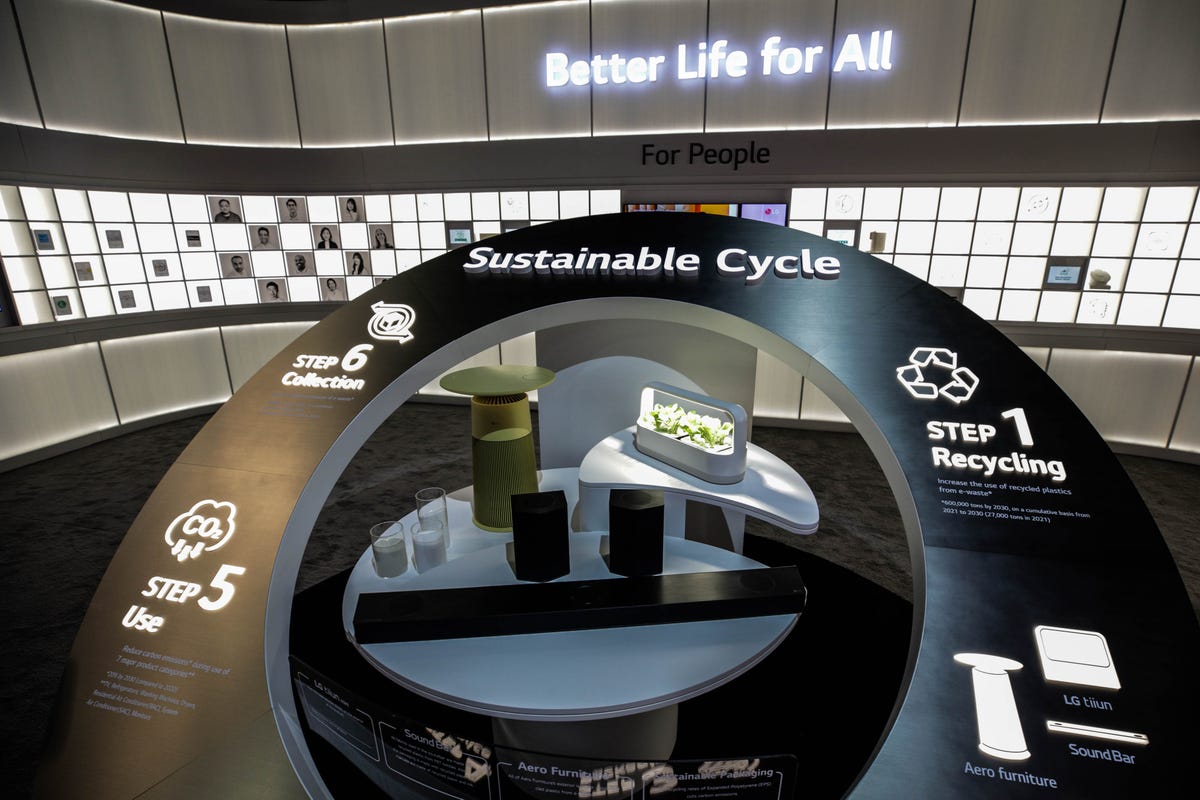
If there’s one thing everyone at CES can agree on, it’s that sustainability is a priority. Virtually every company talked about how its products would be more sustainable, from Samsung’s partnership with Patagonia to reduce microplastics in the water supply to Asus’ boast that it has used 1,500 tons of recycled plastic in its products since 2017.
One of the CTA’s key priorities this year was highlighting the social and environmental impact on tech, and companies got the message. Companies often led with sustainability as the first topic out of the gate during their keynote presentations. AMD Lisa Su used her keynote to stress the energy efficiency that comes with her company’s more powerful processors. John Deere’s new robot planter is designed to reduce fertilizer and chemical use. The list goes on.
Talk about sustainability was all over the show.
James Martin/CNET
The climate crisis has emerged as one of the most pressing issues of our time, so it’s no surprise that it’s all over CES. That so many companies are taking this more seriously is another indication that consumers are starting to care. But this represents only the first steps for the tech industry.
“Sustainability is a key pillar for most consumer electronics organizations, but we’re just at the beginning of the journey,” said Maribel Lopez, an analyst for Lopez Research.
To learn more about sustainability and tech’s role in finding solutions to the climate crisis, check out our CNET Zero series.
There’s a race to own the car experience
CES has increasingly turned into an auto show, with carmakers like GM and BMW routinely showing off concept cars in a bid to let us know that they’re actually tech companies too. But CES 2023 saw a number of traditional consumer electronics players make a bid to define how you’ll spend your time in a car going forward.
Perennial South Korean rivals Samsung and LG each pitched their own smart car platforms. Samsung’s system will be called ICX, powered by a platform called Ready Care from its Harman International business. The system uses sensors to measure driver drowsiness and will employ driver-facing infrared cameras to monitor their status. Naturally, the system is expected to work with Samsung’s family of products like its Galaxy Watch. LG’s Cockpit Computer likewise focuses on optimizing the driving experience, with Gene Cho, vice president of product strategy and planning for LG, talking about how the platform will let you check on your stove at home or call roadside assistance.
Inside the Sony Honda Afeela car.
James Martin/CNET
Taking a more ambitious approach to cars is Sony, which used its keynote to show off its Afeela electric vehicle, built in partnership with Honda. Afeela boasts 45 cameras and sensors both on the exterior and interior of the vehicle, again with the theme of detecting and understanding people.
The automakers weren’t going to be outdone. BMW used its keynote to show off the i Vision Dee (or “digital emotional experience”). The car talks like Knight Rider’s KITT (which was also in attendance), changes color using E Ink and features an AR display that wraps around the windshield. Volantis showed off its futuristic Ram Revolution Concept vehicle, complete with AR display, massive moonroof and jumbo 28-inch touchscreen.
These companies are all scrambling to paint a picture of how your relationship with your car may change, especially with the rise of self-driving cars. They’re also looking to wrest some of the control back from Apple and Google, which have become the dominant car platforms with CarPlay and Android Auto, respectively. LG and Samsung, in particular, are likely hoping to become viable alternatives for the automakers.
TVs shed most of their gimmicks
Remember just a few years ago when it seemed every TV manufacturer every year was scraping the bottom of the useless-to-most-people features barrel to try to sell you their latest model? Remember how 3D TVs seemed like a thing for a minute and then just suddenly weren’t? Remember LG’s roll-up TV that cost $60,000? We remember.
So given high-end TVs’ not too distant history, we were pleasantly surprised that TV manufacturers have seemingly (for now, at least) learned their lesson and have shifted their focus to practical real value.
LG probably made the biggest splash at CES with its 97-inch OLED TV capable of a high 4K resolution picture and an ultrasmooth 120Hz presentation of games and movies. That’s a huge TV using LG’s awesome OLED implementation, but the real selling point here is the fact that the TV is entirely wireless (well, except for the power cord). That’s right, no more fiddling with a million HDMI cables behind your home theater setup with zip ties and the like, trying to make your setup look nice.
LG managed to kill one more cord going into the television.
James Martin/CNET
Samsung also showed up with a 77-inch QD-OLED. OLED is widely considered the best picture technology and this is the first we’ve seen Samsung’s QD-OLED variety implemented at this screen size, which should help Samsung compete with LG TVs and hopefully bring prices down across the board.
Lastly, while not a TV, Samsung’s 8K projector called The Premiere can basically turn any wall into a screen as large as 150 inches. The short throw projector is designed to sit just a few inches from the wall, so even those in small apartments can have access to a high-quality projector without needing much room.
Home entertainment devices that are practical and directly address the needs of most consumers is a trend we can get behind. Let’s hope it’s not short lived.
Foldables beat 5G
CES has never been a strong phone show – you’ll need to wait until next month’s Mobile World Congress for more handset reveals — but Samsung managed to create a little buzz with a foldable concept device that flexes in more than one way.
It’s actually Samsung Display, and not Samsung Electronics, that drew some early attention by showing off its Flex Hybrid, which folds and slides. But don’t expect this to show up at your local carrier store any time soon, since this is from Samsung’s display arm, and it’s the electronics business that deals with producing and selling actual phones.
Now playing: Watch this:
Samsung Display’s Rollable, Foldable Concepts Show the…
2:41
But as with most things at CES, the Flex Hybrid sheds light on where our phones can go, and just how crazy these foldables can actually get. It was enough to impress CNET Editor Eli Blumenthal, shattering his jadedness and reminding him that phones can be cool again — some day.
That other once ubiquitous mobile buzzword, 5G, on the other hand, barely made a blip at the show. We’re a few years into the technology, and while it’s faster (in some areas), it hasn’t really shown itself to be the gamechanger it was hyped up to be. The CTA believes 5G will still be important, but with less buzzy business applications and devices.
Smart home setup is getting simpler
After years of buildup and a handful of delays during the pandemic, Matter, an open-source, universal smart home protocol backed by Amazon, Apple, Google, Samsung and countless others is finally live. The pitch is promising: a single, Wi-Fi-based standard that bundles together compatibility with Alexa, Google Assistant, Siri and SmartThings, among others.
That said, the most interesting part of the Matter march-out might not have been the new devices, but the old ones — specifically, the previous-gen gadgets from the brands embracing the new standard.
Some companies, like Eve, told CNET that they’re going to be able to bring those older devices on board with Matter with a simple software update, if they haven’t already. In other cases, like with GE Lighting or Govee, smart-home users will need to buy brand new, Matter-compliant devices in order to reap Matter’s multilingual benefits. That could irk an awful lot of consumers who like the devices they’ve already bought, so Matter will need to deliver on its promise of smart home harmony in what’s shaping up to be another interesting year for the category.
Get ready to spend more time on the toilet
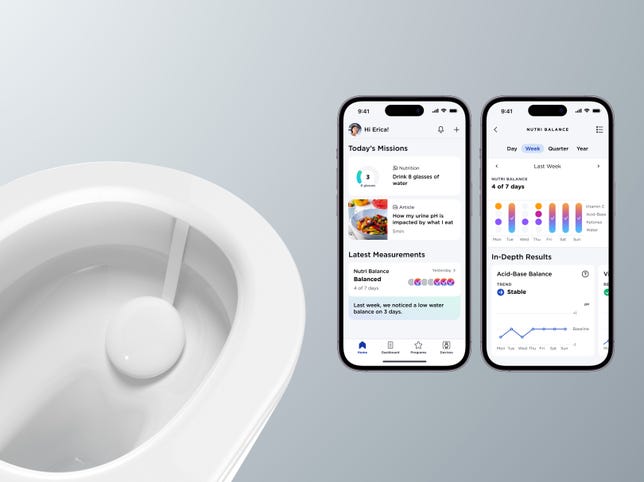
If you remember only one thing about health tech at CES, it’s that the next frontier for tracking and managing your health is in your bathroom. Specifically, your toilet. Withings and Vivoo came to the show with sensors that attach to your toilet bowl to analyze your urine. These sensors can keep tabs on nutrient levels, hormones and more.
Meanwhile, The Heart Seat from Casana aims to keep tabs on your heart rate, blood oxygen and blood pressure while you do your business. All you have to do is sit on the smart toilet seat.
Withings created a sensor in the toilet that scans your pee for health reasons.
Withings
Like in previous years, using AI to monitor your health was omnipresent. While sensors can give us precise information, algorhythms that are fed massive data sets can help provide health metrics when sensors aren’t available. For example, Nuralogix announced plans at the show to use its AI to measure blood pressure, heart rate and more by analyzing your face from a selfie.
Artificial intelligence also makes it possible for Valencell’s new fingertip blood pressure sensor to give you accurate readings without the need to calibrate it with a traditional cuff. We’ve seen blood pressure sensors in watches, but this is the first time we’ve seen a finger clip version.
Following the FDA’s approval of over-the-counter hearing aids last year, we also saw a good deal of hearing tech at the show, including the Jabra Enhance Plus earbuds that double as a hearing aid. Expect this market to explode in 2023, as more brands release OTC hearing aids.
From everything we’ve seen at CES 2023, expect more and more home health monitoring products to hit the market this year. From the traditional wrist-worn trackers and smart rings to sensor-filled toilet seats and bathmats, there’s no shortage of ways to keep tabs on your health.
Post The Rings of Power and House of the Dragon, fantasy is very much having its day in the sun. None of those shows are on Netlix. But here’s the good news: There are currently so many good fantasy shows on Netflix.
There’s obvious choices like The Sandman and The Witcher but, beyond that, what’s worth your time?
Everyone seems to be watching this show, so you don’t necessarily need me to recommend it, but Wednesday — the latest twist on the Addams Family — is… pretty good?
The show feels very CW — think Riverdale/Nancy Drew — but it’s also very funny in moments. Arguably it’s comedy the show handles best, but really Wednesday just makes for a fun, easy binge. Get stuck in.
Netflix
The Sandman
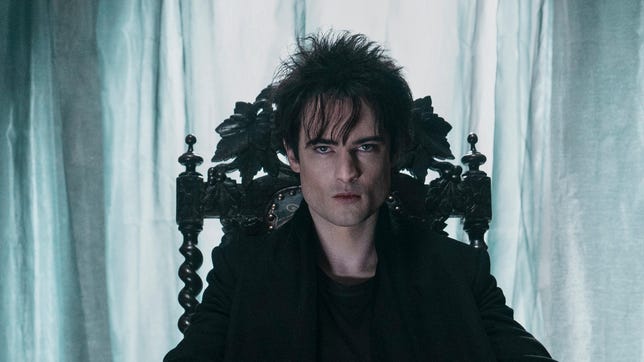
Based on the Neil Gaiman and DC’s comic book, The Sandman has been well received by almost everyone! Fans of the comic book love it, people who’d previously never heard of it also love it. Basically, if you’re looking for something new to watch in the fantasy realm, this show is it.
The Sandman has been in development hell for decades, so it’s nice to finally see it hit the screen so effectively.
Netflix
Arcane (2021—)
Arcane is so good.
Based on the characters and lore of League of Legends, Arcane is just an absolutely beautifully animated show about family, trauma and the impact of poverty. Just an astonishingly good show to look at.
Netflix
The Witcher (2019—)
When I first heard that Henry Cavill had been cast as Geralt in The Witcher TV show, based a novel that became a very popular video game, I thought, “This can’t be good.”
Then I watched the first episode and thought, “This isn’t good.”
But then, eventually the show somehow was good? Then it became a phenomenon. Now it’s one of the most popular shows on Netflix.
Netflix
Shadow and Bone (2021—)
Shadow and Bone is based on a series of young adult fantasy novels written by Leigh Bardugo. There’s a sense this show wasn’t quite as good as some might have hoped, and didn’t quite go as mainstream as some expected. But that doesn’t mean you shouldn’t check it out.
Emma McIntyre/Getty Images
Supernatural
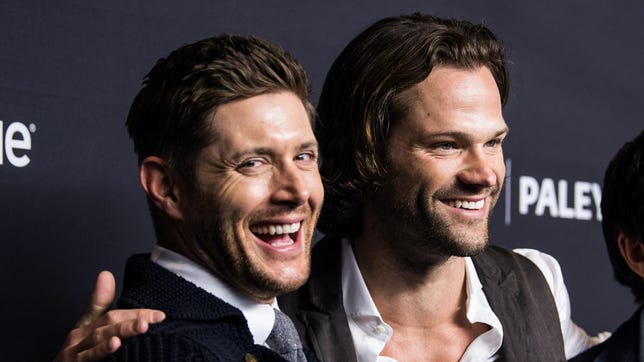
Fine, I’ll put Supernatural on the list.
Follow the supernaturally good looking Winchester brothers as the hunt all manner of ghouls and goblins, demons, ghosts and monsters.
Brace yourselves — there’s a ridiculous 15 seasons of this show available on Netflix.
Netflix
Outlander (2014—)
As a Scottish man, I am both thankful for Outlander and resentful of it.
It’s made Scottish men sort of cool again, but also given people ridiculously outsized, unfair expectations of us. We cannot hope to compete with Sam Heughan, who plays main character Jamie Fraser. Ridiculous.
Outlander is a weird time travel show that has main character Claire transported back in time from World War II to 1743 Scotland. It’s definitely romance novel nonsense, but it’s self-aware romance novel nonsense. It’s built for binging.
Nickelodeon
Avatar: The Last Airbender (2005-2008)
Avatar: The Last Airbender has gotta be one of the best animated shows ever. Aang is the titular last Airbender, a messiah type who can control the four major elements: air, fire, water and earth.
But even trying to describe what makes Avatar so charming, smart and surprisingly weighty is pointless. Just do yourself a favor and watch it.
Netflix
The Umbrella Academy (2019—)
The Umbrella Academy is part of the a whole suite of more adult themed superhero shows that came out a few years back. It takes itself a bit more seriously than The Boys, which came out on Prime Video, but it’s still a very compelling watch.
It also has some of the best needle drop moments on any show on Netflix. Get on it.
Kevin Baker/Netflix
The Dark Crystal: Age of Resistance (2019)
Based on the 1982 cult classic, The Dark Crystal: Age of Resistance was pretty good for an exercise in nostalgia bait. Sadly, the expense of the production caused Netflix to cancel it before we got a second season. Doesn’t mean you can’t check out the first.
Netflix
Castlevania (2017-2021)
OK, let’s do this one more time…
I can’t believe I have three TV shows based on video games on this list! But once again, Castlevania is very good. A dark fantasy show based on the video game of the same name, Castlevania is super popular, compelling and spectacularly well animated. Give it a chance, even if you’ve never heard of the game.
BBC
Merlin (2008-2012)
A BBC TV show based on Arthurian legends, Merlin adds a Doctor Who aesthetic to the fantasy genre.
It’s a little dated, for sure, but Merlin has a cult following thanks to some fantastic performances. Just don’t expect Game of Thrones-level production values.
Gonzalo Jiménez/CNET
The Chilling Adventures of Sabrina (2018-2020)
Based on the old kids sitcom Sabrina The Teenage Witch, The Chilling Adventures of Sabrina reinvents itself as a dark drama focused on the occult. Miraculously, it works.
Prepare yourself for a strange ending, but this show delivers.
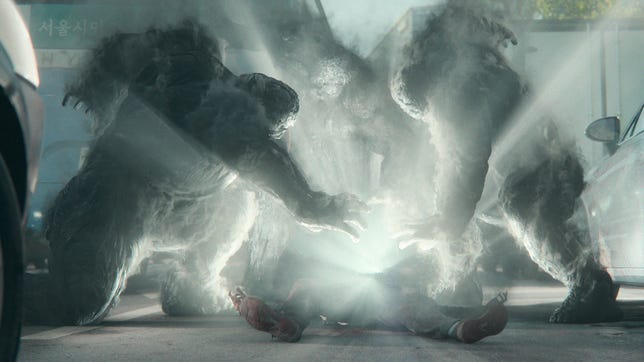
Hellbound is a dark fantasy show about supernatural creatures who drag people to hell. If you just got done with Squid Game and have a hankering for more Korean television, look no further. This rules.
Netflix
Sweet Tooth (2021—)
Sweet Tooth is a fantasy drama based on the comic book of the same name. After a pandemic — stay with me here — hybrid babies are born that are half human, half animal.
As you might expect, a schism appears. Some people can’t handle the emergence of this new hybrid and blame them for the pandemic. The show has been renewed for a second season, so now is a good time to play catch-up.
Netflix
The OA
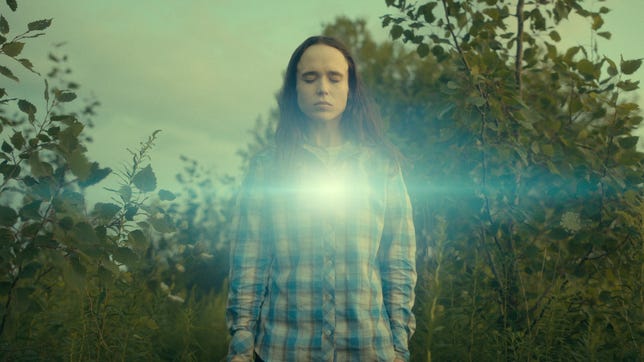
We’ve officially called it the second best show on Netflix. Is it a fantasy show? Sort of. It’s definitely got some strange fantastical elements and — regardless — is worth your time. The story centers on Prairie Johnson, a woman who returns home after being missing for years. The twist: Before she was blind, now she can see.
Everything that comes from that strange twist gets increasingly bizarre. Definitely give it a shot.
Set in the same universe, years after the events of the original Avatar, The Legend of Korra is a far more adult version of the show, dealing with surprisingly mature themes. It’s dramatically underrated. Watch it.
Weekly Shonen Jump
Demon Slayer (2019—)
Can I get away with adding anime to this list? Sorry, I’m doing it.
Chances are, if you’re a fan of anime you’re already watching Demon Slayer or, at the very least, are aware of its existence. Right now, it’s probably the most popular anime on the planet. Demon Slayer is essentially a show about a guy who slays demons. The twist: His sister is also part demon, and they travel together. It’s beautifully animated and the fight scenes are ballistic.
Funimation
Attack on Titan (2013-2022)
Since we’re doing anime now, might as well do Attack on Titan.
Attack on Titan is an anime set in a vaguely medieval universe where human beings are constantly at risk from skyscraper-size humanoid “Titans” who eat humans.
It’s absolutely bonkers. You should watch it.
Netflix
The Dragon Prince (2018—)
The Dragon Prince is often favorably compared to another legendary show on this list — Avatar.
That’s about as high praise as you can get for an animated fantasy show.
New Movies Coming in 2023 From Marvel, Netflix, DC and More
Another evening, another scroll through a “best movies on Netflix” list.
But this isn’t just any best movies on Netflix list. Oh no. This list has slightly more to offer: a rundown of what’s new each week, whether they’re watch-worthy or not. Plus, the list itself is confined to movies that have scored a lucrative 70 or more on Metacritic. Metacritic is, according to its about page, an aggregator of the “opinions of the most respected critics writing online and in print.”
Basically, it’s more snooty than Rotten Tomatoes. Here are this week’s new releases and the list of absolute best movies on Netflix, at least according to highly-rated critics.
What’s new this week (Jan. 9 to 15)
Note: These movie descriptions have been pulled straight from Netflix press releases and occasionally IMDb.
Tuesday
Andrew Santino: Cheeseburger (2023): Stand-up. “No topic is safe in this unfiltered stand-up set from Andrew Santino as he skewers everything from global warming to sex injuries to politics.”
Blood Line (2022): Egyptian thriller. “After an accident leaves one of their twin sons in a coma, a pair of despairing parents resort to a risky plan to revive him — with dire consequences.”
The Hatchet Wielding Hitchhiker (2023): Documentary. “This shocking documentary chronicles a happy-go-lucky nomad’s ascent to viral stardom and the steep downward spiral that resulted in his imprisonment.”
Wednesday
Noise (2023): Mexican drama. “A search for her missing daughter leads a mother to a support network, where she bonds with other women whose lives have been destroyed by violence.”
Friday
Disconnect: The Wedding Planner (2023): African rom-com. “After falling victim to a scam, a desperate man races the clock as he attempts to plan a luxurious destination wedding for an important investor.”
Dog Gone (2023): Family movie. “When his beloved dog goes missing, a young man embarks on an incredible search with his parents to find him and give him life-saving medication.”
Suzan & Freek (2023): Documentary. “Having achieved significant musical triumphs, Dutch sensation Suzan & Freek reveal how they navigate success and the accompanying fame as a couple.”
Thai Massage (2022): Indian comedy. “In this quirky comedy, a traditional man reaches his 70s and discovers that his body doesn’t quite work like it used to.”
At time of writing, these films all score at least 70 on Metacritic.
Mystery
Glass Onion: A Knives Out Mystery (2022)
Some would say Glass Onion: A Knives Out Mystery is better than 2019’s Knives Out. Some. Rian Johnson’s followup to his masterfully subversive whodunnit wisely puts on a different coat. It sends Daniel Craig’s benevolent private investigator Benoit Blanc abroad to a mysterious get together with tech billionaire Miles Bron and his friends. The satirical characters are big, the laughs are big and there’s even a stunning message about bending the truth. Is it at least comparable to 2019’s Knives Out? Definitely.
Comedy
Dan Smith/Netflix
Roald Dahl’s Matilda The Musical (2022)
The film adaptation of Tim Minchin’s hit musical, based on Roald Dahl’s classic book. It offers something different to the 1996 movie starring Mara Wilson — what you want when retreading familiar territory. Alisha Weir plays Matilda, the child genius who stands up to a stunningly realized Miss Trunchbull, played by Emma Thompson. A clear theme of how to handle bullies runs through this retelling, with impressive child performers and surprisingly pump-you-up tunes. Not as memorable as the original, but still a supremely entertaining time.
Netflix
The Forty-Year-Old Version (2020)
The title of this comedy-drama might sound familiar, but its focus is an unconventional tale. The Forty-Year-Old Version follows Radha, a playwright and teacher who finds herself drawn to the forgotten passion of her youth: rapping. Inspired by writer, director and star Radha Blank’s real life, this beautiful diary of a struggling artist will inspire and hit home, with relatable themes of failure and unfulfilled potential.
Netflix
Paddleton (2019)
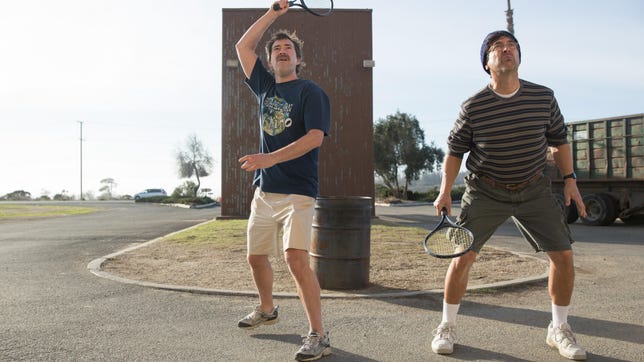
Tennis-playing buddies Michael (Mark Duplass) and Andy (Ray Romano) receive devastating news: Michael has terminal stomach cancer. Struggling to let go of his dying friend, Andy joins Michael’s road trip in search of medication to end things before they get too painful. Folding comedy into melancholy, Paddleton eases the touching friendship at its core into deftly-affecting places.
Netflix
Dolemite Is My Name (2019)
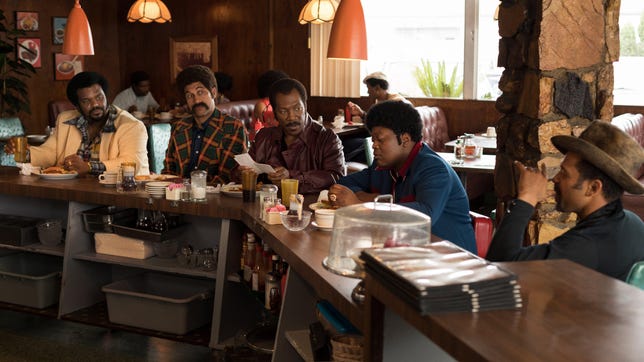
Eddie Murphy returned from his acting break with a glorious performance as Rudy Ray Moore, a comedian who played a character called Dolemite in stand-up routines and blaxploitation films from the ’70s. Dolemite Is My Name follows Moore from his job at a record store to the big screen. Tracking Moore’s rise to fame and its bizarre and enthralling turns, Dolemite Is My Name does justice to both Moore’s and Murphy’s talents.
Netflix
Private Life (2018)
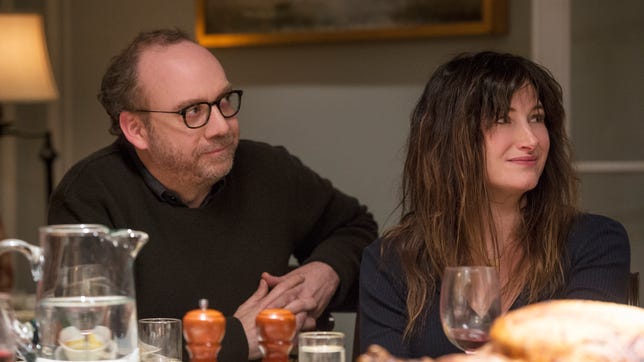
Paul Giamatti and Kathryn Hahn starring in a comedy-drama with something to say about modern marriage? Private Life is a unique and relatable slice of a New York middle-age couple’s struggles with different avenues to have a child. But because Hahn and Giamatti are in it, it sparkles with wit and charm. Add Kayli Carter to the mix as Sadie, a college dropout, and you have another layer to this compelling movie about the unpredictability of heading into a new stage of life.
Netflix
Win It All (2017)
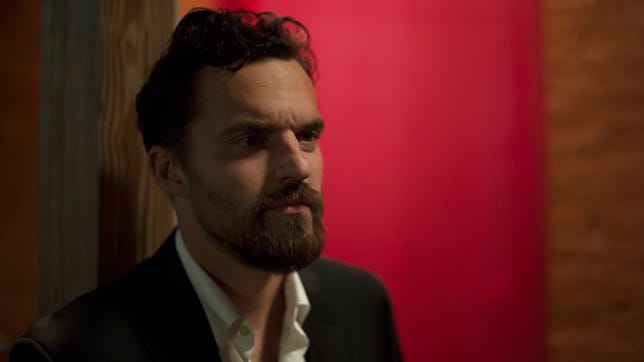
Jake Johnson co-writes this comedy from prolific indie director Joe Swanberg (he was behind the Netflix anthology TV series Easy as well). Win It All follows Eddie, a gambling addict who agrees to stash a duffel bag of cash for a local thug heading to prison. Making one of many questionable decisions, Eddie dips into the funds. If you’re a fan of simple, grounded storytelling with a focus on character, Win It All is a delight that brings out Johnson’s humor and charisma.
Netflix
The Meyerowitz Stories (2017)
The Meyerowitz Stories is a bittersweet comedy-drama told through Noah Baumbach’s grounded lens. The titular stories concern dysfunctional adult siblings, played by Adam Sandler and Ben Stiller, trying to live in the shadow of their father. An effervescent cast, including Dustin Hoffman, play these intelligent, albeit miserable, characters as they weave their poignant tales.
Netflix
Tramps (2016)
This indie gem might have flown under the radar, so if you’re looking for a modern romcom overflowing with charm, definitely give Tramps a watch. Callum Turner and Grace Van Patten star as Danny and Ellie, a sincere good kid and a streetwise girl who attempt to carry out a shady deal for a little cash. Tightly scripted and deftly avoiding hackneyed territory, Tramps will effortlessly win your heart.
Animation
Netflix
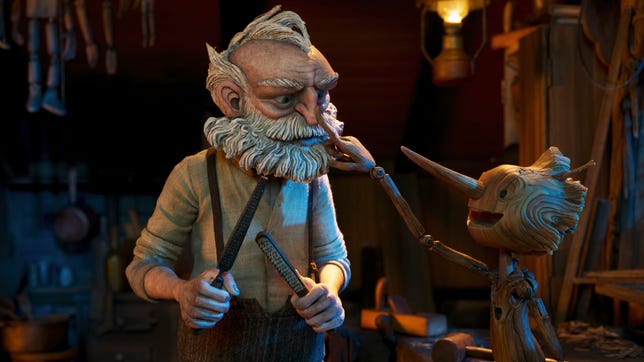
Guillermo del Toro’s Pinocchio (2022)
Guillermo del Toro rarely disappoints and his take on Pinocchio is no exception. More than just a kids’ story, del Toro unfurls a trademark moving gothic fairy tale rooted in what it means to be alive. With significant deviations from the story we all know and memorable new creature creations, including skeletal rabbits and an ethereal wood sprite, this version of Pinocchio might just be the very best — not least because it keeps the astonishing art of stop-motion animation alive. A must-watch. Warning: You will shed a tear at least once.
Netflix
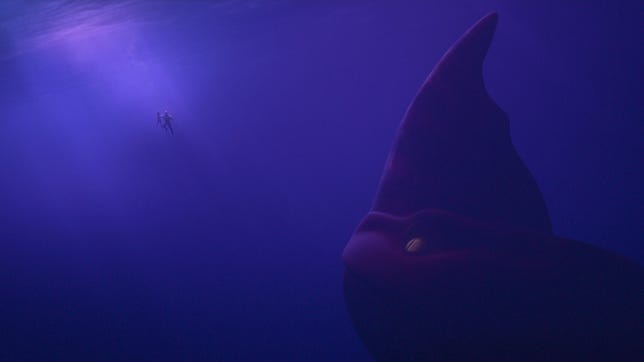
The Sea Beast (2022)
The Sea Beast joins Netflix’s collection of stellar family-friendly animated adventures. A young girl named Maisie (Zaris-Angel Hator) stows away on the ship of sea monster hunter Captain Crow (Jared Harris), becoming wrapped up in a thrilling journey through uncharted waters. Bringing originality to the high seas and swashbuckling characters, The Sea Beast is a must-watch chapter of enchanting fantasy.
Netflix
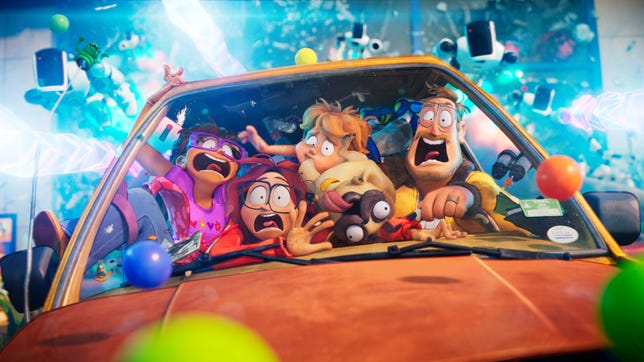
The Mitchells vs. the Machines (2021)
One of the best family movies on Netflix. From some of the same people who made Spider-Man: Into the Spider-Verse comes this adventure to save the world involving Mom, Dad, the kids and their slobbery, bug-eyed dog. But amid the robot apocalypse, led by Olivia Colman’s sinister Siri, really The Mitchells vs. the Machines is about a strained relationship between movie-loving daughter Katie and her technophobe father. The technology-inept parent gags are rife, the colors frenetic and the character growth moving. A near-perfect package with the timeless message that embracing your weirdness is a superpower.
Netflix
I Lost My Body (2019)
This award-winning French film begins with a severed hand escaping a refrigerator in a laboratory and embarking on a Paris-wide search for the rest of its body. What an opening! With a few flashbacks and elegant animation, this strange, satisfying story delves into loss, both physical and emotional, in the most poetic of ways.
Horror
Netflix
Vampires vs. the Bronx (2020)
Vampires vs. the Bronx is a unique comedy-horror in more ways than one. Set in the New York borough of the Bronx, it follows young Miguel Martinez, a big-hearted kid helping to raise money for his struggling local bodega. But it’s not just new designer clothing stores threatening to move in: Creepy pale residents with a taste for blood are eating up people and their properties. A commentary on gentrification with goofy charm, twists and thrills, Vampires vs. the Bronx is a fresh, entertaining spin on the genre.
Netflix
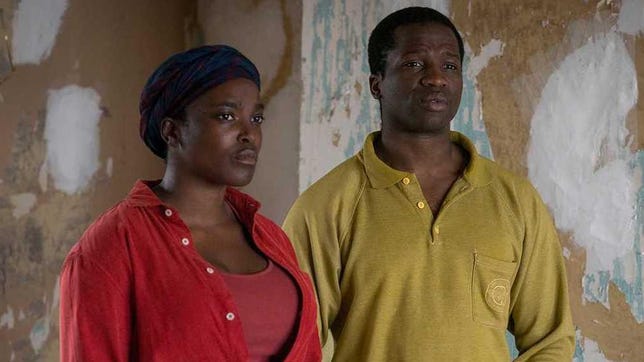
His House (2020)
His House is a horror flick that, yep, hits close to home. Revealing its supernatural evils through a harrowing human story, it follows Bol and Rial, a refugee couple from Sudan, who struggle to adapt to their new life in an English town. Don’t expect straightforward jump scares — His House plays into the psychological specters of the past, adding even more corridors of torment. A heartrending, powerful piece.
Netflix
Cam (2018)
This smart psychological horror is partially drawn from co-writer Isa Mazzei’s experiences as a camgirl (or webcam model). Yet Cam is no documentary, following Alice Ackerman, a young camgirl who one day discovers an exact replica of herself has taken over her show. This unique thriller flashing red with the threat of technology is an excellent feature to hit play on.
Netflix
1922 (2017)
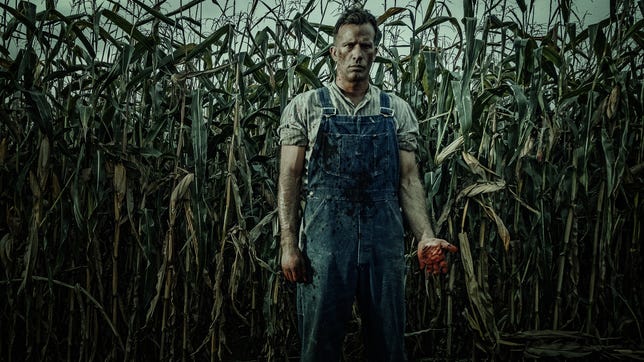
One of the more successful Stephen King adaptations, this horror drama based on the novella 1922 is a slow burn with a mesmerizing performance at its core. Thomas Jane, who you’ll also know from Boogie Nights and 2004’s The Punisher, gives one of his career best performances as the ever proud Wilfred James, a farmer who makes the totally wise decision to murder his wife with the help of their teenage son. The consequences are harrowing on multiple levels (if you don’t like rats, you really won’t like rats after this).
Netflix
Gerald’s Game (2017)
If you were mesmerized by The Haunting of Hill House, then Mike Flanagan’s adaptation of Stephen King novel Gerald’s Game is a must-watch. A couple goes on holiday at an isolated lake house, where one thing leads to another… and Carla Gugino’s Jessie ends up handcuffed to the bed with no visible escape. Gugino puts in an immense performance, packing out the enclosed bedroom setting. Expect narratively and emotionally satisfying conclusions, with melancholy-suffused horror that surges into quiet triumph for its haunted characters.
Western
Netflix
The Power of the Dog (2021)
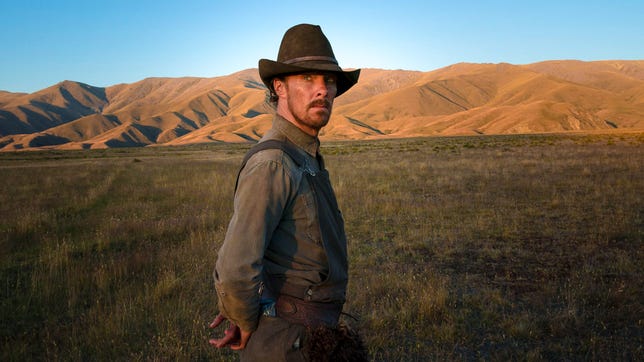
More than a decade after her previous film, Bright Star, extraordinary filmmaker Jane Campion has unfolded the director’s chair again to oversee The Power of the Dog. She ended up winning an Oscar, so it was a good move. The Western centers on Phil Burbank, a domineering rancher who uses the power of toxic masculinity to have his way, mocking his brother for falling in love. The Power of the Dog is a mesmeric exercise in the subtle shifts of emotion and power in relationships. Benedict Cumberbatch, Jesse Plemons and Kirsten Dunst are immense, helping to bring Campion’s masterful vision to life.
Netflix
News of the World (2020)
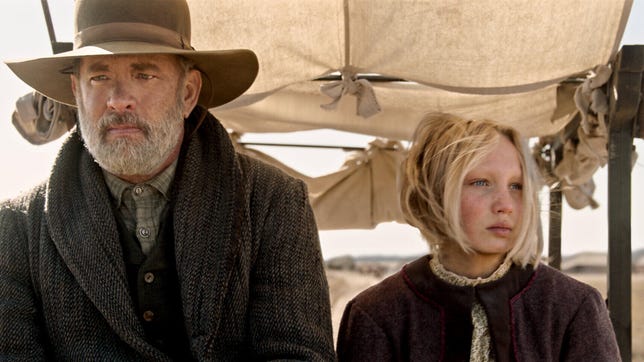
Paul Greengrass (Jason Bourne) directs Tom Hanks in this moving Western. Civil War veteran Captain Jefferson Kyle Kidd discovers a young girl years after she was captured by Native Americans as a baby. While helping return her to her family, he does his usual job of traveling to towns and reading newspapers for a small fee. Don’t expect high-octane action: This road movie is fueled by character development and the beautiful views. Still, you’ll want to settle in for a comforting ride with pure sympathetic Hanks at the steering wheel.
Netflix
The Ballad of Buster Scruggs (2018)
The Coen Brothers kick up the western dust with an anthology film that gives you six vignettes all set on the American frontier. One of them is about the titular Buster Scruggs, a chipper singing cowboy who casually sets off a shoot-up in a cantina. But there’s a dark twist that keeps you on your toes. Sewing the rest of its stories together with a constant black humor, The Ballad of Buster Scruggs is a Coen Brothers winner.
Sci-fi
Netflix
The Platform (2019)
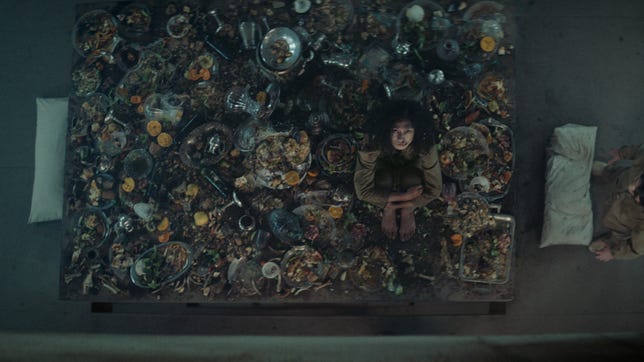
From Netflix’s impressive stash of international films comes Spanish sci-fi horror The Platform. Its high-concept story centers on a tower that delivers food to people on each of its many levels via a platform. Those at the top snag the best and most abundant spread, which is devoured as the platform lowers down the levels. Social commentary rings throughout this dystopian thriller, which takes shocking, occasionally gruesome turns all the way to the bottom.
Drama
Netflix
The Wonder (2022)
This psychological period drama from Chilean director Sebastián Lelio opens its storybook in the most surprising of ways. Asking you to believe in the power of storytelling, The Wonder centers on an English nurse (Florence Pugh) who’s tasked with watching a young girl in 1862 rural Ireland — a girl who appears not to have eaten for months. Nurse Wright gets to the bottom of what’s going on, while discovering the benefits of her own storytelling. The Wonder can be slow going and owes a lot to Pugh’s simmering performance, but it holds you until the gripping end.
Netflix
Passing (2021)
Rebecca Hall makes her directorial debut in magnificent fashion with her adaptation of Nella Larsen’s 1929 novel Passing. It tells the story of two light-skinned Black women, one of whom chooses to “pass” as white. Tessa Thompson and Ruth Negga embody the duality at the heart of this delicate story, shot in black and white. Gracefully handled, Passing is a tender portrait revealing powerful psychological depths.
Netflix
Tick, Tick… Boom! (2021)
Andrew Garfield takes the spotlight for this biographical musical drama about Jonathan Larson, the late composer behind Rent and Tick, Tick… Boom! The movie, helmed by Lin-Manuel Miranda in his directorial debut, follows Larson’s career and the time pressure he feels to leave a lasting impression. With joy-inducing music, a meaningful narrative about the creative process and a passionate performance from Garfield as Larson, Tick, Tick… Boom! is a graceful and feel-good tribute.
Netflix
The Dig (2021)
This fine British drama excavates a whole lot of buried treasure with a distinguished cast in Carey Mulligan, Ralph Fiennes, Lily James and Johnny Flynn. It’s based on the true events around the 1939 excavation of Sutton Hoo, yielding a priceless trove of Anglo-Saxon artifacts hidden in a burial ship. Romantic, intellectual and moving, The Dig is a full sweep of elegance.
Netflix
The Boys in the Band (2020)
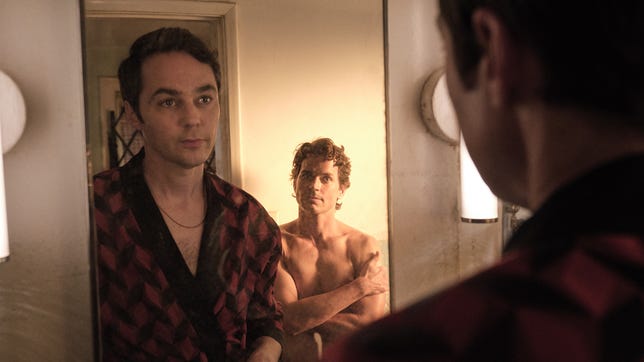
The Boys in the Band sets a new stage for an ensemble cast who all performed the classic play-by-the-same-name’s 2018 Broadway revival. Among them, Jim Parsons, Zachary Quinto and Matt Bomer. The movie brings new perspectives to a birthday party celebrated by a group of gay men in 1968 New York City. The party takes an unexpected turn when a visitor from the host’s past calls in. With a cast that knows how to play off each other and compelling themes such as self-loathing and internalized homophobia, The Boys in the Band is a thought-provoking, engaging drama.
Nikolai Loveikis/Netflix
Mank (2020)
A black-and-white David Fincher tale about the unsung screenwriter Herman Mankiewicz who helped Orson Welles write Citizen Kane. Step back into Old Hollywood, with beautiful cinematography and take in the behind-the-scenes of how studio systems functioned in a different time. Gary Oldman and Amanda Seyfried are among the exceptional cast of this biographical drama filled with the lightness and darkness of its hero’s life.
Netflix
The Trial of the Chicago 7 (2020)
An Aaron Sorkin drama based on a true story? The Trial of the Chicago 7 lives up to its pedigree, following the real-life trial of a group of anti-Vietnam War protestors charged with conspiracy to incite riots. With a stellar ensemble cast, including Joseph Gordon-Levitt, Eddie Redmayne, Sacha Baron Cohen and Yahya Abdul-Mateen II, The Trial of the Chicago 7 is both topical and full of compelling theatrical energy.
Netflix
High Flying Bird (2019)
This sports drama from 2019 marked the second occasion director Steven Soderbergh used an iPhone to shoot a feature film (the first was 2018’s Unsane). High Flying Bird tells the story of a sports agent facing the ax unless he pulls off a company-saving plan in 72 hours. Capturing the high tensions of professional sports through a unique shooting style, High Flying Bird is a fascinating piece put together with expert direction, editing and performances.
Netflix
Marriage Story (2019)
A movie about divorce might not sound like the best viewing experience, but Noah Baumbach’s Marriage Story is a journey you’ll want to take. Scarlett Johansson and Adam Driver give two of the best performances of their careers as Nicole and Charlie, a couple who embark on the emotionally and logistically complicated legal processes involved in prying a partnership apart. Painted with an emotional complexity that includes poignantly funny moments along with the painful ones, this is happy-sad at its best.
Netflix
The Two Popes (2019)
Set primarily in Vatican City, this biographical drama follows Pope Benedict XVI and Cardinal Jorge Mario Bergoglio in the aftermath of the Vatican leaks scandal. It’s as fascinating as it sounds. The Two Popes carves up a slice of real-life drama with a first-class two-hander featuring Jonathan Pryce and Anthony Hopkins.
Carlos Somonte
Roma (2018)
Alfonso Cuaron’s semi-autobiographical snapshot of the Colonia Roma neighborhood of Mexico City tells a small story with staggering prowess. Let Cuaron steer you through the ups and downs of a live-in housekeeper of a middle-class family. His lens captures intricately beautiful scenes in an album that quietly envelopes you with wonder and grace.
Netflix
Happy as Lazzaro (2018)
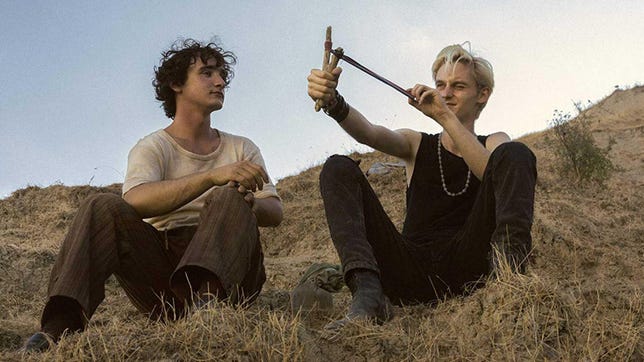
This Italian film has the seal of approval from Bong Joon-ho, so let’s listen to the Oscar-winning director of Parasite and add it to this list. Written and directed by Alice Rohrwacher, Happy as Lazzaro is set in the ’70s on a tobacco farm, where good-hearted young peasant Lazzaro dutifully works. When a nobleman convinces him to help him fake his own kidnapping, a story of friendship, innocence and social commentary unfolds. A gorgeously shot, cinematic fairytale.
Zeta Cinema
Sunday’s Illness (2018)
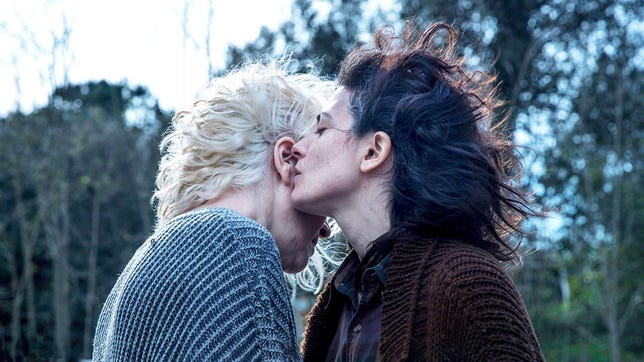
This elegant Spanish film will steep you in its rich imagery and phenomenally good performances from its two leads. Susi Sánchez and Bárbara Lennie star as Anabel and Chiara respectively, an estranged mother and daughter who reunite for reasons that aren’t as clear as they first seem. The precision of the filmmaking here is worthy of soaking up for those who are partial to deliberately paced meditations on pain, love and loss. Masterful.
Netflix
The Kindergarten Teacher (2018)
Maggie Gyllenhaal gives a career best performance in The Kindergarten Teacher, a drama about, yep, a kindergarten teacher. Lisa is dissatisfied with her own life, which leads her to make some questionable decisions regarding one of her young students. When Jimmy exhibits child prodigy levels of poetry writing talent, Lisa may or may not take credit for it. The Kindergarten Teacher’s slightly disturbing character study might leave you feeling conflicted, but there’s no question about Gyllenhaal’s mesmerizing performance.
Netflix
Mudbound (2017)
Mudbound gives you a historical look at class struggle through the lens of a Black veteran and a white veteran who both still have one foot stuck in World War II. Dealing with PTSD and racism in the Mississippi Delta, with a cast that includes Garrett Hedlund and Jason Mitchell, Mudbound’s tempest will rivet you to the spot.
Romance
Netflix
The Half of It (2020)
This YA movie tells the story of Ellie Chu, a shy Asian American discovering her sexuality in the remote town of Squahamish. A straight-A yet friendless student who has a side-hustle writing papers for her classmates, Ellie helps footballer Paul Munsky write a love letter to Aster Flores. But it turns out Aster is perfect for Ellie instead. A story of self-acceptance told with a delicate touch, The Half of It is a joy.
Netflix
The Incredible Jessica James (2017)
The Incredible Jessica James introduces a delightfully self-possessed main character played by an equally delightful Jessica Williams. The confident and independent Jessica James goes on a blind date where she ends up talking about nothing but her ex. A fresh take on the breakup movie with an empowering lead, this is an easy hit for an entertaining night in.
Action/Adventure
Netflix
Okja (2017)
2017’s Okja comes from Parasite director Bong Joon-ho — which should be incentive enough to watch it. Part cheeky dark comedy, part surreal environmental thriller, Okja follows a young South Korean farmer girl whose pet pal is a genetically enhanced super-pig. But Okja is the target of a big corporation that wants her delicious flesh. With an English supporting cast including the likes of Tilda Swinton and Jake Gyllenhaal, Okja sucks you in with its sweetness before showing you a distressing close-up of the meat industry.
Thriller
Ian Routledge/Netflix
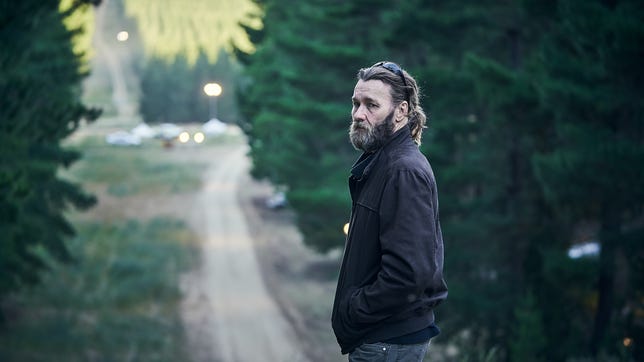
The Stranger (2022)
Inspired by a true story, this crime drama out of Australia is an effectively unsettling — and grim — psychological thriller. Sean Harris stars as a man suspected of the abduction and murder of a teenager. Joel Edgerton plays an undercover cop tasked with drawing out the truth via an unlikely friendship.
Netflix
I’m Thinking of Ending Things (2020)
A psychological thriller that dives deep into the surreal. I’m Thinking of Ending Things definitely won’t be for everyone, but it connects you to the frustrations of the young woman (Jessie Buckley) at its heart, who grapples with breaking off her seven-week-relationship with her boyfriend Jake (Jesse Plemons). While it overstays its welcome a little, I’m Thinking of Ending Things always keeps you on your toes, with atmospheric cinematography and strong performances from Toni Collette and David Thewlis as Jake’s fairly odd parents. Fans of director-writer Charlie Kaufman will be pleased.
Netflix
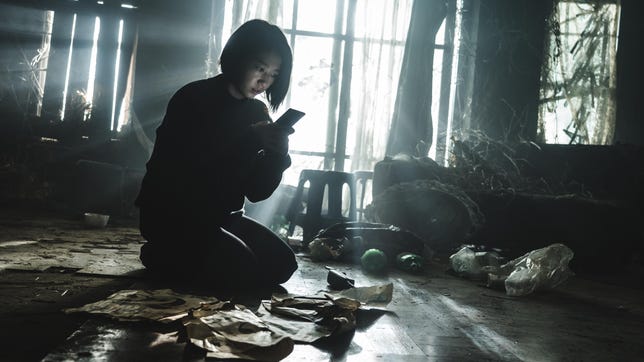
The Call (2020)
Two movies named The Call came out in 2020. Watch the South Korean one, a time travel thriller revolving around, yep, a phone call. Twenty-eight-year-old Seo-yeon finds a phone buried in a closet in her childhood home. It rings — and the caller, it turns out, is living in the same house 20 years earlier. Twists right up to the final moment, plus a wild cat-and-mouse chase that alters the past and present make this a must-watch.
Netflix
Calibre (2018)
This taut thriller set in the remote Scottish Highlands is far from an idyllic getaway. Prepare for a full-on nerve-wringing nightmare that its protagonists are desperate to wake up from. Vaughn and Marcus set out on a lads’ weekend hunting trip, but after a night of drinking, they find themselves facing events they never could have planned for. Calibre lives up to its name, delivering a slick package of grim, gripping drama. Let the full force of this one wallop you.
Netflix
First They Killed My Father (2017)
The fifth film on Angelina Jolie’s directing CV turned out to be her best. Based on Cambodian author and human rights activist Loung Ung’s memoir, the biographical thriller recounts the horrors Ung suffered as a child under the rule of the deadly Khmer Rouge. With an empathetic lens framing a shocking story from the perspective of a child, First They Killed My Father is a unique war movie made with control and finesse.
Netflix
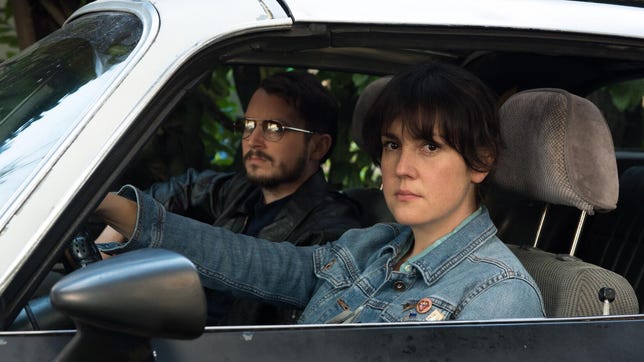
I Don’t Feel at Home in This World Anymore (2017)
If you’ve had a bad day, this might be the movie for you. When the police refuse to help with a robbery, nursing assistant Ruth and her weird neighbor Tony take matters into their own hands. I Don’t Feel at Home in This World Anymore spots the idiosyncrasies of everyday life, before escalating its story into dark places with even darker humor. With a touch of Coen Brothers’ flair, its perfectly packed 96 minutes will leave you surprisingly emotional.
Crime/War
Netflix
Da 5 Bloods (2020)
Spike Lee’s fierce war drama follows a group of aging Vietnam War veterans who return to the country in search of the remains of their squad leader — as well as buriedtreasure. With a frenzied energy coursing through it, Da 5 Bloods gives you a look at the Vietnam War through Black experiences, delivering an all-too-timely critique of racism and warfare.
Netflix
The Irishman (2019)
Spanning the lives of its mobsters over multiple decades, The Irishman pulls off a 3-and-a-half-hour crime saga. But don’t worry — you can break up this tour de force if you need to. Always clever and entertaining, with Martin Scorsese favorites Robert De Niro, Al Pacino and Joe Pesci commanding the screen, The Irishman creeps up on you, offering a haunting look at aging mobsters and the havoc they wreak.
Netflix
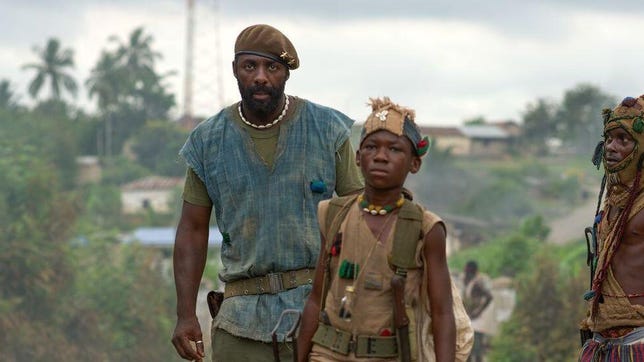
Beasts of No Nation (2015)
Director Cary Joji Fukunaga gives you a sobering look at the life of a boy who becomes a child soldier in a West African country embroiled in civil war. Idris Elba stars as the ruthless Commandant along with the astonishing Abraham Attah as the young Agu. A confronting yet quietly hopeful snapshot of war from a human perspective, Beasts of No Nation needs to be on your radar if it isn’t already.
New Movies Coming in 2023 From Marvel, Netflix, DC and More
Digital Trends may earn a commission when you buy through links on our site. Why trust us?
Apple’s highly anticipated mixed-reality headset could be unveiled just ahead of the company’s Worldwide Developers Conference (WWDC).
Apple’s headset, expected to be called “Reality Pro,” will likely offer virtual reality (VR) and augmented reality (AR) capabilities so wearers can immerse themselves in a virtual world or have digital data overlaid onto real-world, real-time imagery.
Bloomberg’s Mark Gurman — a reporter with a decent track record when it comes to Apple forecasts — said on Sunday that following a string of postponements with the device since Apple decided to start developing it some five years ago, the tech giant is currently “aiming to unveil it this spring ahead of the annual Worldwide Developers Conference in June.”
This jibes with comments late last week from the usually reliable Apple analyst Ming-Chi Kuo whose contacts in Apple’s supply chain have led him to believe that the device will go on sale either late in the second quarter or possibly sometime in the third quarter, meaning July through September.
In other words, unveiling it in the spring would give Apple enough time to launch a massive marketing campaign ahead of a sales drive several months later.
And Kuo, like Gurman, also believes that Apple will hold an unveiling event for the mixed-reality headset in the spring, possibly during or just ahead of the WWDC event.
Gurman’s report also claims that Apple has already handed the headset to a “small number of high-profile software developers” for testing, and so they can start creating third-party apps for the device. His report adds that the headset’s operating system is dubbed “Borealis” inside the company, but will be marketed as “xrOS.”
More recently, Apple had been expected to unveil the headset at an event this month before starting shipments somewhere around April through June. But due to what Kuo said were “issues with mechanical component drop testing and the availability of software development tools,” Apple engineers needed more time to deal with the challenges and the company now appears to be aiming for the spring unveil before shipping the device several months later.
Whatever happens, it really does finally look as if 2023 will be the year in which Apple brings its long-awaited mixed-reality headset to market. Gurman adds that the company is “banking on the product as its hot new introduction for this year.” We can’t wait to see it.
Today’s tech news, curated and condensed for your inbox
Check your inbox!
Please provide a valid email address to continue.
This email address is currently on file. If you are not receiving newsletters, please check your spam folder.
Sorry, an error occurred during subscription. Please try again later.