

“I was so proud to see more than 90,000 people turning up for the recent India vs South Africa T20 World Cup match in Ahmedabad, and how the administration and all stakeholders ensured that everything went off smoothly.
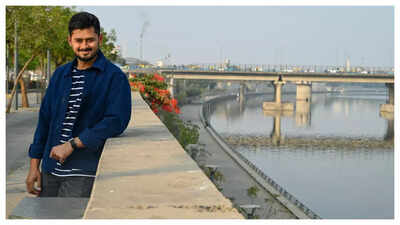
Our city will also be hosting the 2030 Commonwealth Games and as a sportsperson, these developments make me proud. We are successfully hosting huge concerts as well. Ahmedabad has mastered the art of hosting big events, and other cities can learn from us. I am glad that our city is now recognised globally for all the right reasons,” says former Team Gujarat skipper Priyank Panchal, who retired from first-class cricket last year. On Ahmedabad Foundation Day, Priyank talks to us about his love for the city. Excerpts:‘Ahmedabad shaped my professional dreams’Thanks to Ahmedabad’s rich cricketing culture and robust infrastructure, I felt convinced about taking up the sport.
The city shaped my professional dreams. Right from playing for Gujarat to winning the Ranji Trophy title (2016-17), becoming the tournament’s highest run-getter and captaining the team, I have had some unforgettable moments, and I owe everything I have achieved to the city. I was born and brought up in Ahmedabad, and I have some very fond childhood memories associated with the city.
I studied at Hiramani School and after practice, I loved chatting with friends.
My father loved taking me to the old city. Even now, I love going to the old city and reliving those days. ‘I miss Amdavad’s vibe when I am away’I love going out for drives with Kalna (his wife) and my family a little late in the evening, when the roads are quiet. Whether it is newly developed places like the Narendra Modi Stadium, Riverfront or the old city, I love visiting all these places. The city has a vibe that is unmatched, and I really miss that when I am away.
The way our city has preserved its rich heritage and culture is something to be proud of. My friends from other cities also love the authentic Gujarati food one gets to eat here.
In fact, a friend from Mumbai was so happy after eating Gujarati thali that he told me he would visit again just for the food and hospitality!”He adds, “There are so many things to admire about Amdavadis. They can guide you about how to invest, spend wisely, and excel in business. They are pragmatic, extremely helpful, and full of life. Also, I love the fact that Amdavadis are ambitious and very hardworking. Everyone keeps talking about the city’s infrastructure and how it is growing so fast. We should remember that after a major earthquake (2001), the city has bounced back quite strongly, which shows its resilient character.
I am proud of it. Also, the city makes everyone feel at home.”