

In today’s globalized world, supply chains are more complex and vulnerable than ever, with key industries facing growing challenges in efficiency, cost control and sustainability. A smooth supply chain relies on visibility—the ability to track cargo, fleets and assets at every stage—making it an indispensable factor in enhancing operations, reducing disruptions and enabling seamless processes.
Yet, as per a study by Blue Ridge, only 6% of companies have achieved full supply chain visibility, revealing a considerable gap in the industry. To address this issue, many organizations are beginning to adopt supply chain technology, with the IoT playing a critical role in evolving traditional supply chains into smart, interconnected systems.
Key supply chain challenges IoT technology is solving
Navigating complex supply chains is a reality that today’s businesses have to come to terms with. Fortunately, IoT technology is playing a key role in addressing these challenges by providing insights, improving visibility and enabling solutions. Here are some of the key supply chain issues that IoT is helping solve:
Inefficient cargo and fleet tracking
Conventional supply chains often struggle with fragmented data, making it difficult to track shipments accurately and respond to disruptions. The lack of visibility inevitably leads to shipment delays, misplaced cargo, disgruntled customers and significant financial losses.
However, IoT technology now makes it possible to monitor inventory and shipments throughout the entire supply chain and get access to the most up-to-date information at any given time. Continuous, comprehensive fleet monitoring helps identify bottlenecks early, enabling proactive and timely response to minimize disruptions and keep operations running smoothly.
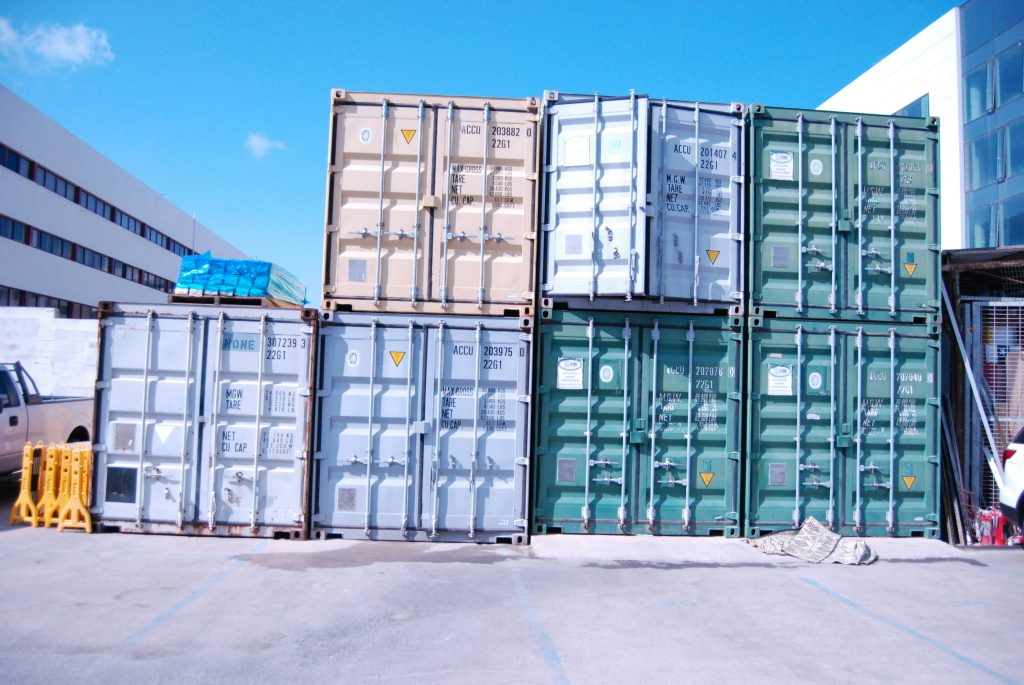
Cargo visibility and container security risks
Cargo theft remains a significant threat, costing the logistics industry nearly $700 million dollars in 2023. Containers are particularly vulnerable during over-the-road transport and while sitting idle at yards where they may be left unattended for extended periods—making them prime targets for theft and tampering.
Advanced asset management technologies, including sensors and geofences play a critical role in securing cargo from departure to delivery. These tools not only help deter theft but also enable rapid response to misrouting or suspicious activity, significantly improving both security and supply chain visibility.
Cold chain monitoring in perishable goods supply chains
Industries like food, pharmaceuticals, and some electronics rely on strict temperature control during transport. Compromised loads can lead to penalties, higher insurance premiums and loss of reputation. Intelligent reefer container monitoring enables improved visibility and control over cargo conditions. Instant alerts for temperature deviations allow swift corrective action, helping to prevent spoilage, reduce losses and maintain product integrity throughout the supply chain.
Fuel consumption and route optimization
Fuel is by far the biggest expense in transportation and maritime logistics, accounting for up to 50% of total operational costs. Unlike traditional fuel management that relies on manual checks, IoT fuel sensors continuously track fuel levels, consumption patterns and engine efficiency. By detecting leaks, inefficient combustion and excessive idling, IoT technology helps fleet managers take immediate action to reduce waste. Smarter fuel use translates to significant cost savings and a lower environmental impact.
Businesses have reported up to a 30% reduction in fuel costs after implementing advanced fuel monitoring systems, delivering both financial and sustainability benefits. Optimized routing is also one of the most effective ways IoT technology reduces fuel consumption.
For trucking and intermodal transport: Live GPS tracking helps drivers avoid congestion and take the most fuel-efficient routes. According to Frost & Sullivan, IoT-powered route optimization can save trucking companies 8%–12% in fuel costs annually.

Predictive maintenance for optimized fleet performance
Traditionally, maintenance has been reactive, leading to unexpected breakdowns and costly repairs. IoT-enabled condition monitoring can track engine wear and tear and detect early signs of engine or mechanical failures, allowing companies to schedule maintenance before problems escalate. This proactive approach minimizes downtime, extends equipment lifespan and reduces repair costs.
Compliance with maritime regulations and ESG goals
Sustainability is a growing priority for transportation and maritime companies, and IoT technology can play a pivotal role in reducing environmental impact. To help drive circular supply chain initiatives, businesses are reducing waste by leveraging IoT container tracking to monitor cargo container reuse, minimize unnecessary manufacturing and promote sustainable logistics. A study by McKinsey suggests that a 40% to 50% reduction in logistics emissions by 2030 is achievable using currently available supply chain technologies, emphasizing the potential of digital tools in enhancing operational efficiency and sustainability.
Lack of supply chain transparency and poor customer experience
Customer expectations for tracking have grown exponentially in recent years. Studies show that 70% of customers expect to receive live updates on their shipments along with the assurance that their shipment is safe. IoT solutions help provide uninterrupted tracking and automated reporting, enhancing transparency and reducing the likelihood of cargo theft and other fraudulent activities. IoT-powered tracking solutions provide accurate estimated delivery times, enhancing supply chain reliability and improving customer satisfaction. Companies that offer end-to-end visibility gain a competitive advantage, as customers are more likely to trust and continue doing business with reliable partners.
High insurance costs due to risks of cargo damage or loss
Cargo losses due to damage, misrouting or theft cost companies billions annually. By integrating advanced monitoring systems, automated alerts and AI-driven risk analysis, logistics providers can reduce losses by up to 40%, improving overall profitability and reducing insurance costs. Insurers increasingly offer lower premiums to companies using smart risk mitigation tools, as it reduces claims for lost or damaged shipments. By proactively preventing supply chain disruptions, IoT technology helps businesses maintain insurance compliance, incur lower coverage costs and improve overall cargo security.
The future of transportation and maritime logistics is digital and IoT is leading the way

By embracing IoT-driven solutions, businesses can future-proof their supply chains and pave the way for seamless global trade, higher profitability and a greener logistics ecosystem. Companies that invest in IoT today will be better positioned to handle disruptions, optimize logistics and drive long-term growth. As global trade accelerates, supply chain visibility and intelligence will drive and define success across key industries.
Meghana Joshi is a Digital Marketing Specialist at ORBCOMM. Passionate about her craft, she uses her background in content marketing, copywriting, research and creative writing to create content that attracts, impacts and resonates with her audience.
Read More
Meghana Joshi