

TechSpot is about to celebrate its 25th anniversary. TechSpot means tech analysis and advise you can trust.
The big picture: Many tech companies saw record profits during the pandemic, which prompted them to increase investments and rapidly expand their workforce. However, with rising fears of a global recession, more and more have recently announced mass layoffs affecting thousands of employees.
In the first three weeks of this year, over 100,000 workers in the tech industry have lost their jobs. A new report shows that severance packages vary greatly from one tech giant to another.
On Friday, Google parent Alphabet announced it was laying off 12,000 employees, about 6 percent of its global workforce. According to an SEC filing, severance packages for US employees include 16 weeks of salary and accelerated share vesting plus an additional two weeks for every year of employment at the company. Laid-off employees will also receive their 2022 bonuses, paid vacation time, and six months of healthcare.
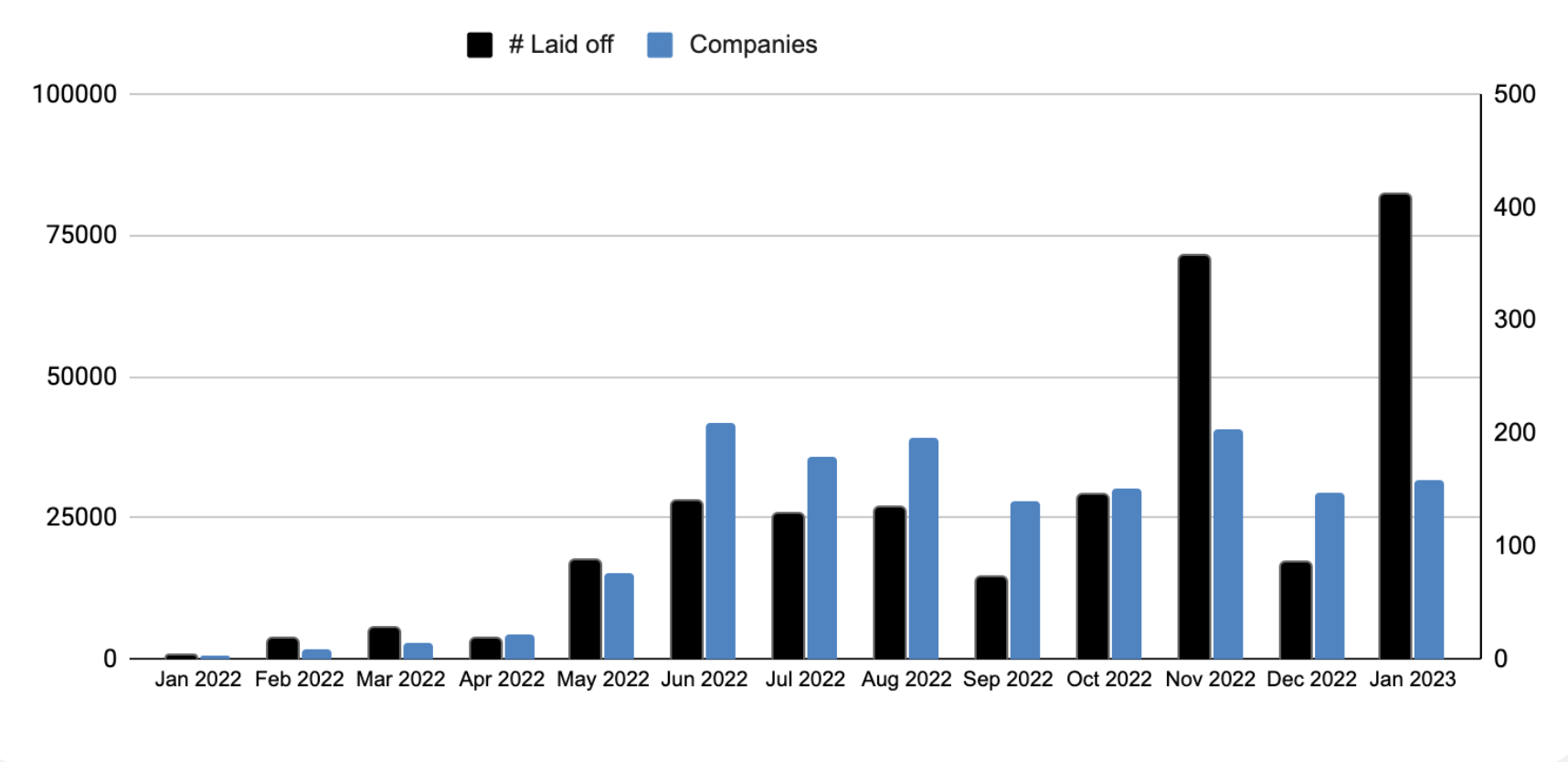
At the beginning of the year, Amazon confirmed it planned to let go of a record 18,000 employees, representing about 1.2 percent of its total workforce. Retail US employees will receive full pay and benefits during the mandatory 60-day notice period without being required to keep working. The company will also offer multiple weeks of severance, a separation payment, transitional health benefits, as well as job placement.
Meta CEO Mark Zuckerberg announced last year that the company would cut over 11,000 jobs worldwide, about 13 percent of its workforce. Laid-off employees were promised 16 weeks’ severance pay along with two additional weeks for every year of service. The company said it would also cover their health insurance for six months and offer RSU vesting, career services, remaining paid time off, and immigration support for staff with visas.
Salesforce recently announced that it would lay off over 7,000 employees, with CEO Marc Benioff suggesting younger remote workers might be to blame for the company’s falling productivity. Severance packages include at least five months of pay, six months of health coverage, and two months of outplacement support.

Twitter CEO Elon Musk initially planned to reduce headcount by 50 percent after he took over last year, though many more chose to quit rather than commit to the new “hardcore” work culture. Later, Musk claimed that everyone who left was offered three months of severance pay.
Read More
Joan Byron