

Many of us don’t go to the doctor until there’s something wrong. The phrase “if it ain’t broke, don’t fix it” comes to mind. Unfortunately, that thinking doesn’t cut it when it comes to your heart health.
Heart disease is the leading cause of death in the US, yet around 80% of cardiac events are avoidable through early detection and prevention plans.
Heart disease screenings give you a snapshot of your health. Knowing your numbers for key factors can help you monitor your wellness and adjust your lifestyle. Let’s talk about heart disease, why you need to get screened and when you should do it.
What is heart disease?
Heart disease is a general term used to describe several conditions that affect the heart, including but not limited to arrhythmias, valve disease and congenital heart defects. The most common heart disease is coronary artery disease, which impairs the blood vessels, hinders blood flow to the heart and can increase your risk of a heart attack.
Heart disease frequently goes undiagnosed until symptoms of a heart attack or heart failure present themselves. Regular heart disease screenings are essential to help you get ahead of many health scares.
What causes heart disease?
Heart disease can happen at any age. In the case of congenital heart disease, it can happen at birth. Other times, it develops throughout our lives, like coronary artery disease, slowly progressing as plaque builds up. The cause of heart disease will vary depending on the type of condition. Let’s focus on coronary heart disease since it’s the most common type people experience.
The causes of coronary heart disease are genetics, high blood pressure, high cholesterol and smoking. Essentially, your heart has to work harder because things are standing in the way, putting more strain on the organ than necessary. Your heart can only function for so long under excessive stress.
The CDC says that almost half of Americans have at least one risk factor for heart disease. That’s why you should get screenings regularly. Now let’s dig into when you should.
Hint: it’s before symptoms like shortness of breath, chest pressure or weakness present themselves.
Su Arslanoglu/Getty Images
When should you get screened for heart disease?
The American Heart Association recommends that routine screenings should start at age 20. That sounds early, but heart disease can affect younger people, too. By starting regular screenings at 20, your doctor can establish a baseline for your body and monitor changes as you age. At this stage, even if you are not considered at high risk (see below), it’s important to monitor blood pressure, cholesterol, blood glucose and lifestyle factors through family history, physical exams and blood tests. Routine screenings for those at lower risk should be as follows:
- Blood pressure: If your blood pressure is below 120/80 mm Hg, testing should be done at least every two years, or more often if your blood pressure is higher.
- Cholesterol: Patients with normal cholesterol levels should have a fasting lipoprotein profile through a blood test at least every four to six years.
- Blood glucose: This should be done at minimum every three years starting at age 45.
- Lifestyle factors: With each doctor’s visit, factors like physical activity, diet and smoking will be discussed.
High-risk factors require more frequent monitoring
Regular screenings for all patients should begin at age 20 and proceed in intervals. However, if you’re at high risk for cardiovascular disease, you’re likely to be screened more frequently. Risk factors include high blood pressure, cholesterol or glucose results, a family history of heart disease, being overweight and certain lifestyle factors, including diet, smoking and activity level.
Generally, if you have two or more risk factors, additional cardiovascular testing becomes necessary, especially if you are experiencing symptoms associated with heart disease, such as an irregular heartbeat.
Additional tests can include:
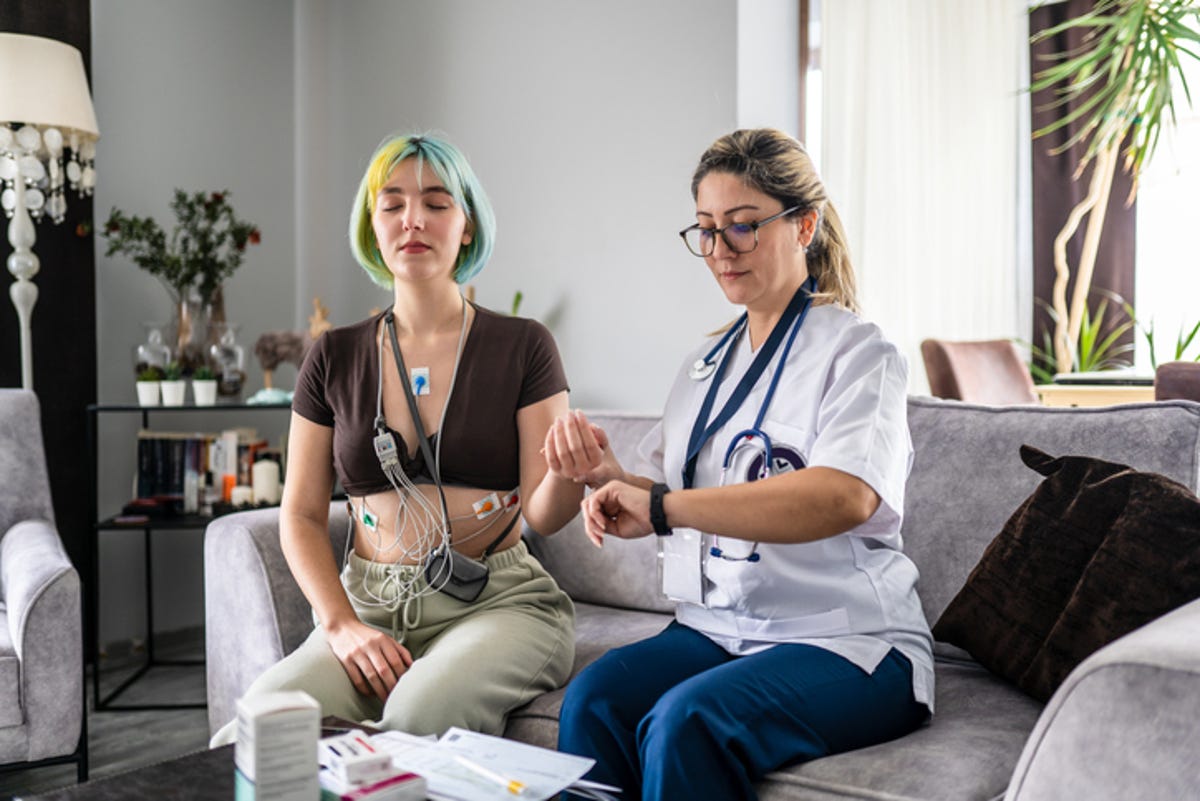
- Electrocardiogram: To measure your heart’s rhythm and electrical activity, you may need an EKG. It’s a painless, noninvasive method of monitoring heart function. All it takes is a few sticky electrodes on your chest. Risk factors that warrant an EKG are chest pain, heart palpitations or irregular beating. Your doctor may require you to wear a portable EKG called a Holter monitor for a few days to get a fuller picture.
- Echocardiogram: There are times when your doctor may want to look at the structure of your heart. An echocardiogram involves an ultrasound machine to assess how your heart pumps.
- Stress tests: Cardiac stress tests are basically EKGs with exercise. Your doctor will attach the electrodes to your chest, and you will either walk, run or pedal while your doctor monitors your heart’s response. Nuclear stress tests include radioactive dye and imaging machines while resting and exercising.
- Cardiac computed tomography for calcium scoring: To determine how much plaque has built in your arteries, your doctor may use a CT.
- Coronary artery angiogram: Either with a CT scan or catheter threaded through your groin or arm, an angiogram measures blood flow and the size of your arteries.
Practical tips to prevent heart disease
Heart disease is serious, but it’s also largely preventable and treatable, especially with regular screenings. You have more control over your heart health than you think. Try adding these daily habits to your life to lower your risk of heart disease.
- Quit smoking: Smoking is one of the main causes of heart disease. Quitting smoking is one of the best things you can do to reduce your chances of developing heart disease.
- Get moving: Exercise is the oldest advice in the books for a reason. You should aim for 150 minutes of moderate weekly exercise to maintain heart health. That’s only 30 minutes daily for five days.
- Monitor your health at home: There are at-home heart rate, blood pressure and glucose monitors, as well as fitness trackers that can help you track your health between doctor’s visits.
- Fine-tune your diet: Eating foods that nourish your body is essential to heart health. As often as you can, avoid foods high in saturated and trans fats. Look for opportunities in your diet to make healthy swaps. Always opt for nutrient-rich meals that include vegetables and whole grains.

FG Trade/Getty Images
Too long; didn’t read?
Don’t just take a “good enough” approach to your health. The heart is one of the body’s most vital organs, and sometimes it’s hard to know when it’s sick. That’s why heart health screenings start so early. High blood pressure and high cholesterol are some of the most common conditions, and unfortunately, they significantly increase your risk of developing heart disease.
Regular screenings and checkups are among the best tools to determine your health and help you make changes that can lower your chances of developing heart disease. You don’t have to wait to check up on yourself. If you have a history of heart concerns, try using at-home health monitors between doctor’s visits.
The information contained in this article is for educational and informational purposes only and is not intended as health or medical advice. Always consult a physician or other qualified health provider regarding any questions you may have about a medical condition or health objectives.
Read More
Taylor Leamey