Recycled Materials in Sustainable Construction
In the United Kingdom, the construction industry is increasingly exploring the use of recycled materials as part of a broader shift towards sustainable practices. Recycled concrete, reclaimed timber and recycled glass are among the materials gaining attention for their potential to reduce environmental impact and contribute to green building standards. These materials are derived from demolition waste, industrial by-products and post-consumer sources, offering an alternative to virgin resources.
The adoption of such materials is driven by a combination of regulatory requirements, client demand and a growing awareness of resource efficiency. However, the use of recycled materials in new projects involves careful consideration of technical performance, supply chain logistics and compliance with relevant standards. This article examines how recycled concrete, reclaimed timber and recycled glass are utilised in contemporary construction, and discusses the factors that influence their integration into building projects.
It is important to note that the outcomes of using recycled materials can vary depending on project-specific conditions, including material quality, design requirements and local availability. Therefore, a context-sensitive approach is essential, and professional judgment should always guide material selection and application.
Recycled Concrete in New Builds
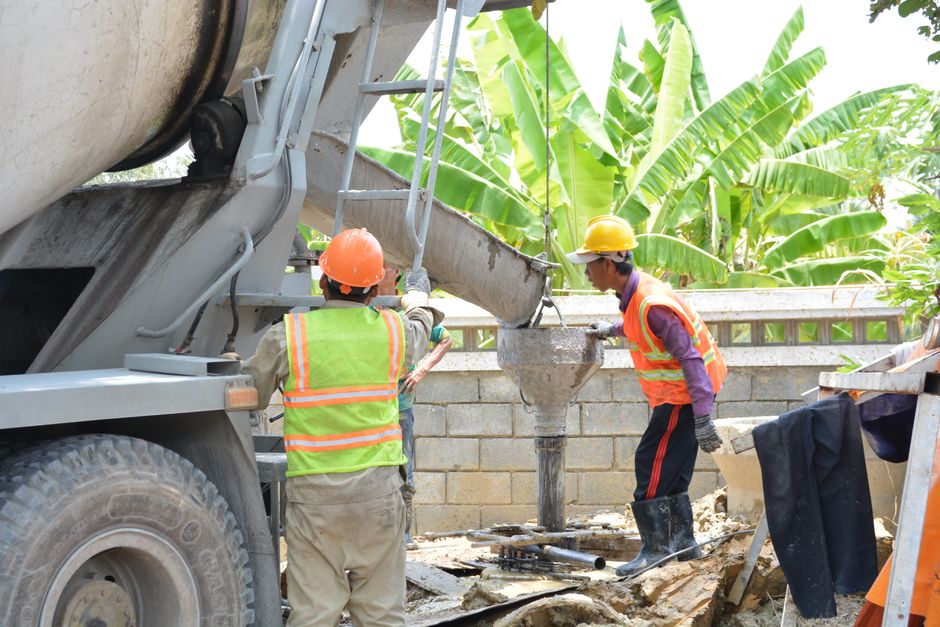
Recycled concrete aggregate (RCA) is produced by crushing demolished concrete structures, which are then processed to meet specific gradation and quality requirements. In the UK, RCA is commonly used as a sub-base material for roads and foundations, and increasingly as a partial replacement for natural aggregates in new concrete mixes. The use of RCA can reduce the demand for virgin aggregates, lessen the volume of waste sent to landfill, and lower the carbon footprint associated with aggregate extraction and transport.
However, the properties of RCA differ from those of natural aggregates. RCA typically has higher water absorption and lower density due to the presence of adhered mortar. These characteristics can affect the workability, strength and durability of concrete. Therefore, when specifying RCA for structural applications, engineers must consider adjustments to mix designs, such as increased cement content or the use of admixtures, to achieve the desired performance. Additionally, the source of RCA must be carefully controlled to avoid contamination that could compromise the final product.
Standards such as BS EN 12620 and the Specification for Highway Works provide frameworks for the use of recycled aggregates in the UK. These standards define categories based on composition and performance, helping to ensure that RCA meets the necessary requirements for specific applications. Projects that incorporate RCA often involve close collaboration between suppliers, contractors and specifiers to verify compliance and address any technical challenges.
While RCA offers environmental benefits, it is not universally applicable. Factors such as the required strength class, exposure conditions and availability of suitable RCA influence its feasibility. In some cases, natural aggregates may still be preferred for certain applications. Consequently, the decision to use RCA should be based on a holistic assessment of technical, economic and environmental considerations.
Reclaimed Timber: Sources and Applications
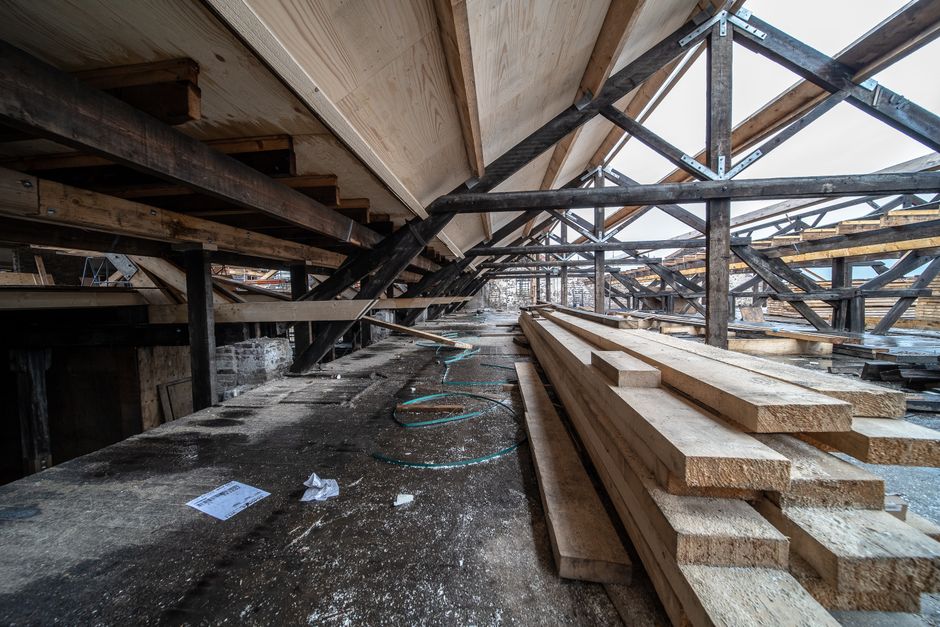
Reclaimed timber refers to wood that has been salvaged from existing structures, such as old buildings, bridges or industrial facilities, and repurposed in new construction. This material is valued for its unique character, often exhibiting patina and grain patterns that are difficult to replicate with new timber. Beyond aesthetics, reclaimed timber can contribute to sustainability goals by extending the life of a valuable resource and reducing the demand for freshly harvested wood.
The sourcing of reclaimed timber involves a process of deconstruction, where materials are carefully removed and sorted. This process requires skilled labour and can be more time-consuming than conventional demolition. Once salvaged, the timber must be assessed for structural integrity, moisture content and the presence of pests or decay. Depending on its condition, reclaimed timber may be used for structural elements, such as beams and columns, or for non-structural applications, including flooring, cladding and furniture.
In the UK, reclaimed timber is subject to building regulations and standards that govern its use. For structural applications, the timber must meet the requirements of BS 5268 or Eurocode 5, which may involve grading and testing to confirm its strength and stiffness. Additionally, the use of reclaimed timber can contribute to credits under assessment schemes like BREEAM, which recognise the reuse of materials as a positive environmental practice.
Challenges associated with reclaimed timber include inconsistent supply, variability in quality and the need for additional processing. These factors can affect project timelines and costs. Nevertheless, when managed effectively, reclaimed timber can be a viable option for projects seeking to reduce their environmental impact and achieve a distinctive architectural expression.
“The reuse of timber is not just about saving trees; it’s about preserving the embodied energy and cultural heritage embedded in the material.”
Recycled Glass in Construction
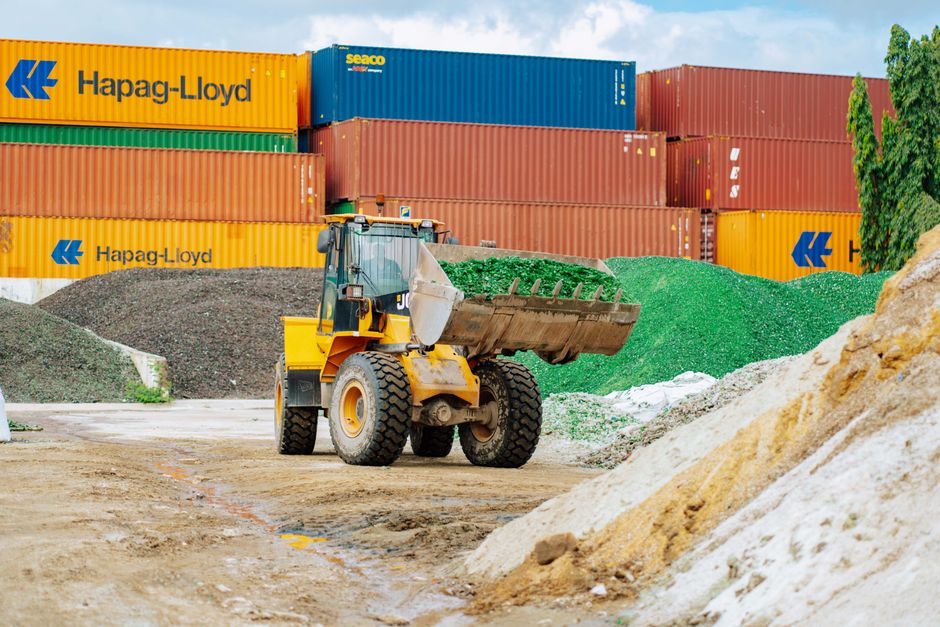
Recycled glass is another material that is finding applications in sustainable construction. In the UK, glass is collected from post-consumer sources, such as bottles and jars, and processed into cullet. This cullet can be used in several ways: as a replacement for sand in concrete, as a component in asphalt, or as an aggregate in decorative surfaces. Additionally, recycled glass can be melted and formed into new products, such as insulation or tiles.
When used as a fine aggregate in concrete, recycled glass can improve certain properties, such as flowability and resistance to abrasion. However, the alkali-silica reaction (ASR) is a potential concern, as some types of glass can react with cement alkalis and cause expansion and cracking. To mitigate this risk, specifications may limit the glass content or require the use of low-alkali cement or supplementary cementitious materials. Research and standards, such as those from the Waste and Resources Action Programme (WRAP), provide guidance on the safe use of recycled glass in construction.
In asphalt, recycled glass can be used as a partial replacement for natural aggregates, contributing to reduced demand for virgin materials. The glass must be processed to a specific size and shape to ensure adequate performance. This application is particularly relevant for road surfacing and maintenance projects.
Overall, recycled glass offers a versatile material stream for construction, but its use requires careful consideration of technical specifications and local supply chains. The environmental benefits, such as reduced landfill and lower raw material consumption, can be significant when glass is sourced and processed locally.
Meeting Green Building Standards
Green building standards in the UK, such as BREEAM and the Code for Sustainable Homes, encourage the use of recycled materials through credits and performance criteria. These schemes assess various aspects of sustainability, including energy efficiency, water use and material sourcing. By incorporating recycled concrete, reclaimed timber and recycled glass, projects can potentially earn credits that contribute to overall certification.
However, meeting these standards is not solely about using recycled materials. It involves a comprehensive approach to design, construction and operation. For instance, the responsible sourcing of materials is often verified through certification schemes like the Forest Stewardship Council (FSC) for timber or the BRE Environmental Profiles for other materials. Documentation and traceability are essential to demonstrate compliance.
Moreover, the use of recycled materials must be balanced with other sustainability objectives, such as durability, indoor air quality and life cycle impacts. A material that is recycled but has high embodied carbon or poor performance may not align with the goals of a green building. Therefore, a holistic life cycle assessment (LCA) is often used to evaluate the true environmental benefits of material choices.
In practice, project teams may use tools like the Green Guide to Specification to compare the environmental impacts of different materials and assemblies. This guide provides ratings for various building elements based on LCA. By integrating recycled materials into the design, teams can potentially improve the overall rating of a building, provided that all other factors are considered.
Challenges and Considerations
Despite the potential benefits, the use of recycled materials in construction faces several challenges. Supply chain constraints can limit the availability of consistent, high-quality recycled materials, particularly for large-scale projects. The cost of processing and testing recycled materials may sometimes outweigh the savings from reduced disposal fees, especially when virgin materials are readily available and inexpensive.
Technical performance is another key consideration. As discussed, recycled materials may have different properties than their virgin counterparts, requiring adjustments in design and construction. This can lead to increased complexity and the need for specialised expertise. Additionally, building regulations and insurance requirements may impose restrictions on the use of recycled materials, particularly for structural applications.
Cultural and perceptual barriers also exist. Some stakeholders may view recycled materials as inferior or risky, despite evidence of their suitability. Education and demonstration projects can help to overcome these perceptions by showcasing successful applications. Collaboration across the industry, including architects, engineers, contractors and suppliers, is essential to mainstream the use of recycled materials.
Finally, the environmental benefits of recycled materials depend on various factors, including transport distances, processing methods and the alternative disposal scenario. A life cycle perspective is necessary to avoid unintended consequences, such as increased emissions from long-distance transport.
Conclusion
Recycled concrete, reclaimed timber and recycled glass represent promising avenues for reducing the environmental impact of construction in the UK. Their use aligns with the principles of the circular economy and can contribute to green building standards. However, the integration of these materials into new projects requires careful planning, technical verification and a context-specific approach. By considering the full life cycle and engaging with all stakeholders, the construction industry can continue to explore and expand the responsible use of recycled materials. As with any material choice, professional judgment and adherence to standards remain paramount.