

Questions around ticket pricing, accessibility, environmental impact, player welfare and the growing commercialisation of football have become central talking points in the build-up to the tournament.
By CNBCTV18June 8, 2026, 1:16:33 AM IST (Published)

 1 / 7
1 / 7
The FIFA World Cup 2026 promises to be the biggest tournament in football history. With 48 teams, 104 matches and three host nations, it is set to set a new benchmark in terms of the scale of the global game. But alongside the excitement, the competition has also sparked a debate. Questions around ticket pricing, accessibility, environmental impact, player welfare and the growing commercialisation of football have become central talking points in the build-up to the tournament. As the countdown continues, FIFA World Cup 2026 is forcing football to confront some of its biggest challenges. (Image Source: Reuters)
2 / 7
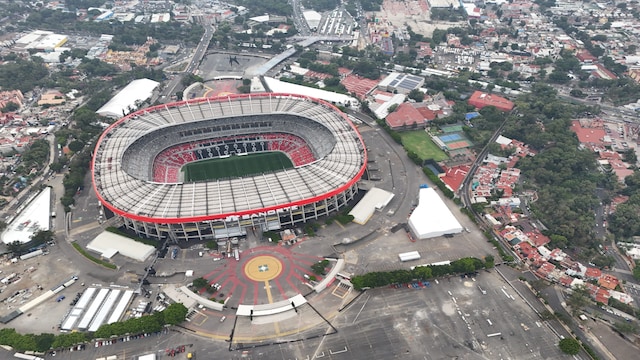
Ticketing: Demand for FIFA World Cup 2026 tickets has reached unprecedented levels, with more than 500 million ticket requests recorded during the 33-day Random Selection Draw phase that concluded in January 2026. At the same time, FIFA’s ticketing process has come under scrutiny over pricing transparency and seat allocation. Investigations have been launched into the system, while dynamic pricing has contributed to significant cost increases during sales windows. Critics have also argued that premium seating is increasingly being reserved for hospitality packages, limiting access to some of the most sought-after sections for ordinary supporters. (Image Source: Reuters)
3 / 7
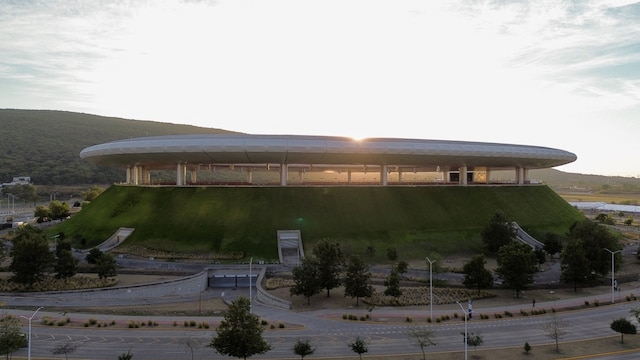
Rising costs: For many supporters, attending the World Cup is becoming increasingly expensive. Estimates suggest that a mid-range international fan trip, including one match ticket, round-trip airfare, five nights’ accommodation, local transportation, food and visa-related expenses, could cost more than $5,900. Ticket prices for high-demand matches have risen sharply, while travel and accommodation costs add further pressure. There are arguments that the increasing financial burden risks making the World Cup less accessible to ordinary fans and more favourable to premium and corporate audiences. Actual costs may vary significantly depending on location and travel plans. (Image Source: Reuters)
4 / 7
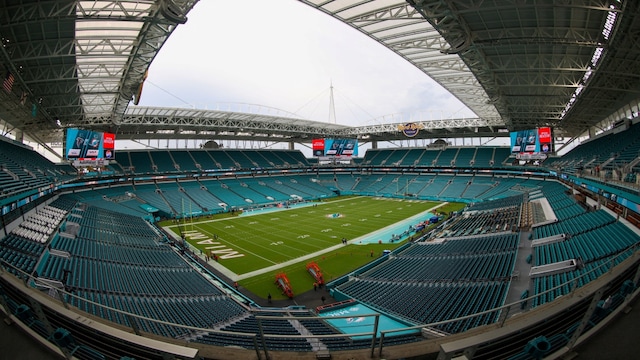
Climate change: The scale of FIFA World Cup 2026 has furthered the debate about its environmental impact. The tournament’s estimated carbon footprint stands at 9 million tonnes of CO₂ emissions, significantly higher than the figures cited for the 2022 Qatar World Cup, the 2018 Russia World Cup and the 2024 Paris Olympics. Extensive travel between host cities across North America is expected to generate substantial emissions. Several host cities could also experience extreme summer temperatures during the tournament. Environmental groups have questioned whether mitigation measures can fully offset the impact of an event spread across such a vast geographical area. (Image Source: Reuters)
5 / 7
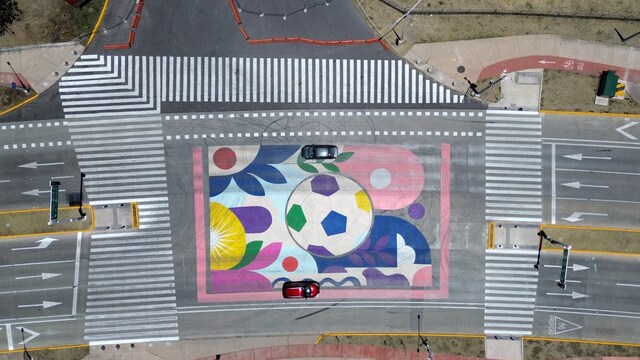
Security challenges: Hosting a World Cup across three countries presents unique security and logistical challenges. Authorities are preparing one of the largest security operations in tournament history as the United States, Mexico and Canada coordinate efforts. Cross-border travel is expected to add operational complexity for teams, officials and supporters moving between host cities. Visa and immigration policies have also emerged as a point of discussion, with concerns that differing entry requirements could affect fan access. Managing movement across three nations will be one of the defining logistical tests of the tournament. (Image Source: Reuters)

6 / 7
More number of teams: The expansion from 32 teams to 48 teams represents the biggest format change in FIFA World Cup history. Some people view the move as a step towards greater global representation and increased opportunities for emerging football nations, however, there exists fear that the larger field could lead to more uneven contests during the early stages of the tournament. The new format will also increase the number of matches from 64 to 104, placing additional demands on organisers and participants. (Image Source: Reuters)
7 / 7
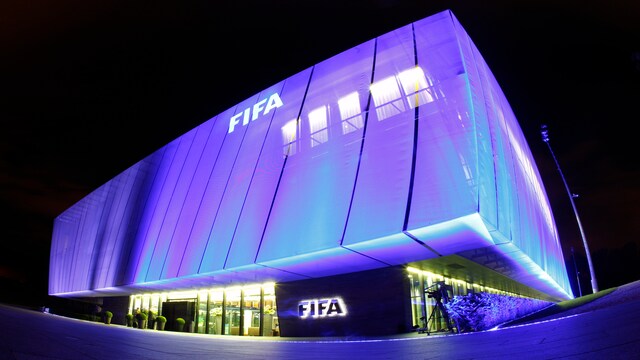
FIFA World Cup 2026 is poised to be one of the most ambitious sporting events ever staged. Its expanded format and commercial scale have created excitement across the football world. At the same time, concerns around accessibility, sustainability, security, player welfare and the evolving identity of the sport continue to generate discussion. Whether viewed as necessary growing pains or warning signs for the future, these debates will remain part of the tournament’s story. (Image Source: Reuters)
Read More
Tarkesh Jha