

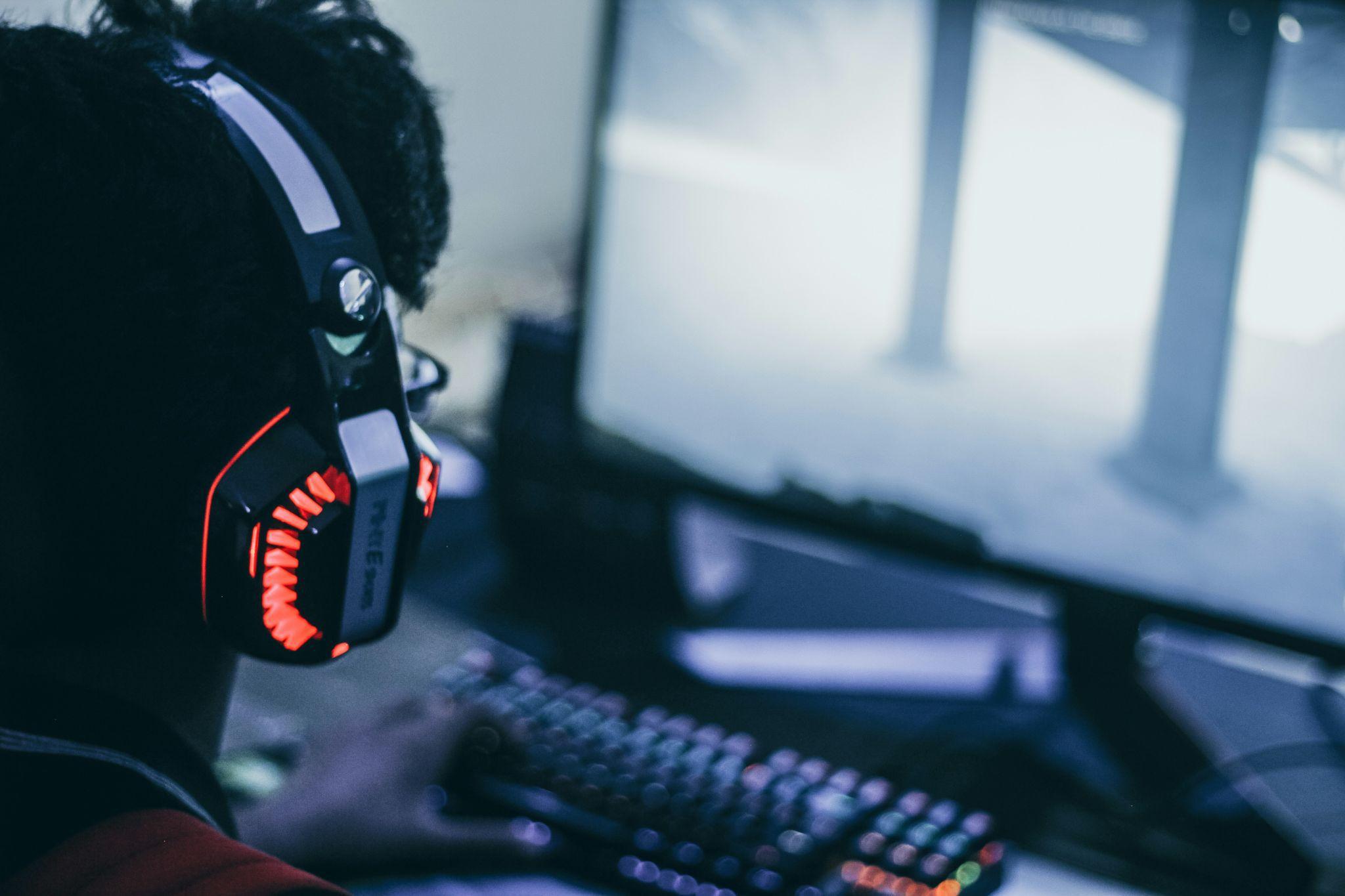
Gaming is no longer just a hobby that students enjoy after school. For many young people, it is a social space, a creative outlet, and even a place where they learn important life skills. Students play online games where they create profiles, choose usernames, design avatars, join teams, and talk to people around the world. They are learning how online identity works, sometimes without even realizing it.
Online identity is the way a person presents themselves online. It includes names, photos, comments, behavior, and the communities they are part of. Gaming culture is a powerful lesson for students: who you are online matters. Just like in the real world, your choices can affect how other people perceive you.
Gaming Shows That Identity Can Be Created
One of the first lessons students learn in games is that identity is something you can design. Players decide what their avatar looks like when they create it. They can select clothes, colors, powers, hairstyles, or even a whole other species. It teaches students that online spaces are spaces for self-expression.
For instance, a shy student in class may be a confident team leader in a game. A different student might want to show off a clever username to show humor or personality. Gaming thus becomes a digital mirror, but one in which students get to paint their own reflection.
But freedom comes with responsibility. Students learn how the identity they construct can affect how others treat them. The respectful player is generally trusted. People can choose to ignore, block, or report a rude player.
Students Learn the Power of Reputation
Reputations matter in gaming communities. Players are known by their actions. Are they any good? Do they cheat? Do they assist their friends? When they lose, do they insult each other?
This is like a digital footprint on social media. Every message, every action, and every choice can make a mark. In many games, players can rate each other, report bad behavior, or invite good players to future matches. Soon, students realize that actions online have consequences.
Gaming also teaches students to think carefully when school pressure follows them into online spaces. Many players talk about deadlines, workload, and tiredness while waiting for a match to start. In a casual chat, a student might say, “I need to pay MySuperGeek to do my assignment before Friday so I can keep my week under control,” and that short message already says something about online identity. It shows how students present their needs, manage pressure, and make choices in digital spaces. The same care used in gaming can apply here too. Players learn not to trust every message, share private details too quickly, or act without thinking. They also learn that calm decisions protect their reputation. When students bring this mindset outside the game, they become more aware of how each online action reflects on them. Even a simple message can shape how others understand their priorities, habits, and sense of responsibility.
Good Behavior Builds Trust
When students are good at sports and good communicators, they create a positive identity. Others may want them back on their side. They could be invited to join groups or gaming communities. This is an important lesson about trust: it is earned by actions.
The same is true at school and later in their careers. A student’s online identity can influence how teachers, fellow students, colleges, or employers view them. Games allow students to learn this in a practical way.
Toxic Behavior Damages Identity
Gaming culture also exemplifies the darker side of online identity. Some players use insults, threats, or harmful language because they think they are hidden behind a screen. But anonymity does not absolve one of responsibility.
Students learn that toxic behavior can lead to bans, lost friendships, or a bad reputation. It is a reminder that the internet is not a lawless jungle. Words have weight, even in a game.
Online gaming is all about teamwork. Players join guilds, squads, clans, or servers. To succeed, they must communicate, solve problems, and respect the rules of the group.
This teaches students that online identity is not just personal. It is social too. What groups a student is part of can influence how others see them. Playing on a friendly, talented team might improve a player’s image. Being part of a group that is known for cheating or bullying can be damaging.
Gaming communities introduce students to different cultures, languages, and perspectives. One student in one country can play with someone on the other side of the world. This can help deepen their understanding of people and teach digital respect.
Students Discover the Balance Between Real and Online Selves
Gaming often lets students experiment with different identities. They can be bold, strategic, funny, serious, or creative. This can be healthy because it lets them explore who they are.
But students also need to learn the difference between online identity and real identity. A game character may not be real, but the person behind the character is. The feelings, conversations, and connections that are made online can be real.
It is a matter of striking a balance. Students should be able to express themselves, but they should not forget the values of real life. If kindness matters offline, it should matter online. If honesty has a place in the classroom, it has a place in a game lobby.
Gaming Culture Prepares Students for Digital Life
Today’s students are growing up in a world where online identity is part of their everyday experience. They use learning platforms, social media, video apps, and digital portfolios. They get early experience in managing their online presence through gaming culture.
Gaming teaches students to choose their names carefully, to safeguard private information, to interact with strangers, and to think before they post. They learn too that online spaces are fun, but they need awareness.
Gaming can start conversations for parents and teachers. Instead of asking, “Why are you playing so much?” they can ask, “What kind of player do you want to be?” That question invites deeper reflection on character, respect, and responsibility.
Conclusion
Gaming culture teaches students that online identity is more than a username or avatar. It is created through choice, behavior, communication, and community. Games allow students to express themselves, build trust, and make connections with others. At the same time, they learn that harmful actions can damage their reputation.
In the end, gaming is a preparation for life in the digital world. Every game, message, and team experience teaches students something about their online selves. The biggest lesson is simple but powerful: behind every screen, there is a real person, and every online identity must be carefully built.
Liam Vale
Read More