

If you’re looking for beverage trends, you look to Starbucks. And this year, there’s no doubt: protein has hit the beverage category.
Last month, the coffee giant launched RTD Starbucks Coffee & Protein in retail: blending Starbucks coffee with 22g of complete protein, 5g of prebiotic fibre, five vitamins, and minerals.
There’s growing demand for drinks that do more: and protein is a top priority for many American consumers (80% say they prioritise the nutrient in their diet daily).
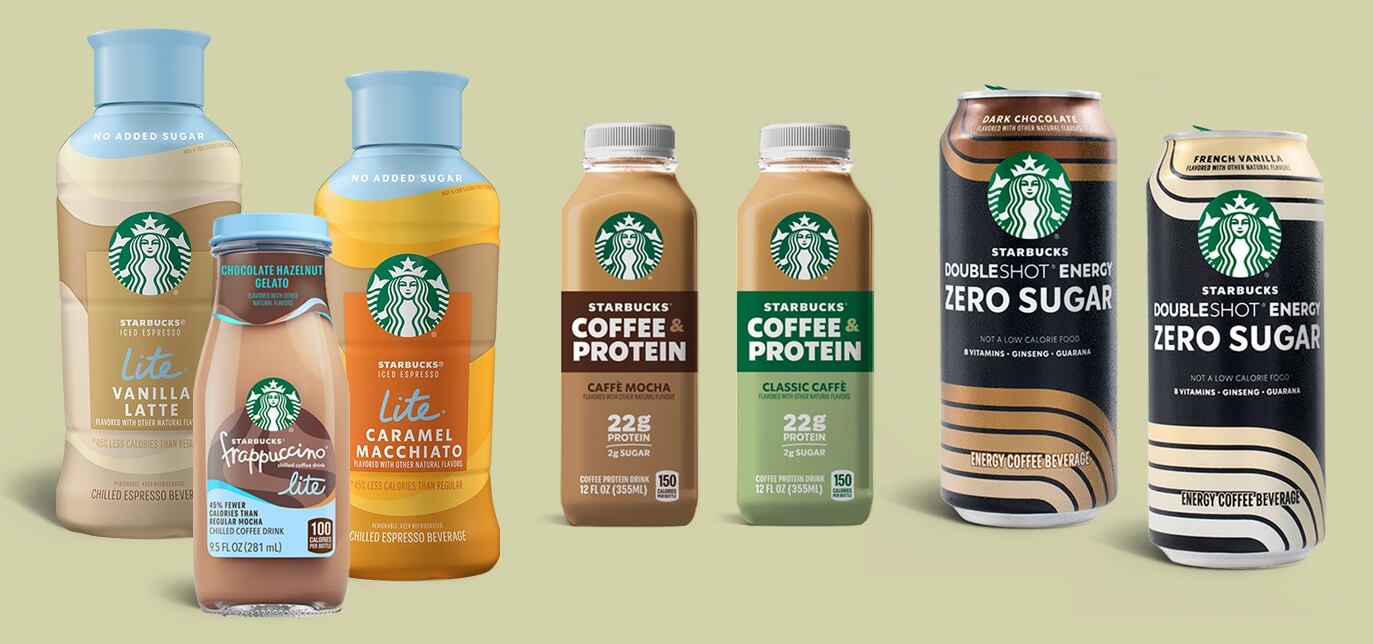
But it’s not just coffee. Protein is now expanding across the beverage aisle, in many different ways.
There’s meal replacement drinks, which pack a protein punch. There’s dairy drinks which lean into their protein credentials.
But the brands gaining the biggest traction in the space are ones that are reinventing how we think of protein.
Protein: into everyday products
Protein is no longer about thick nutritional smoothies for fitness freaks. Innovation is taking protein and putting it into everyday categories where it can reach everyday consumers.
Protein coffee, for example, takes protein and puts it into a drink millions of people consume every morning. It’s the same for coffee creamers: where protein is increasingly showing up in the functional evolution of the category.
Protein soda, for example, is distancing itself from the performance-focused, hard-core gym culture traditionally associated with protein shakes.
“Barebells and Koia are great examples,” Betty Kaufman, strategy director at US food and beverage agency, The Culinary Edge.
“Both built credibility in protein bars and RTD protein beverages, respectively, and are now extending into soda as a SKU, bringing their trusted brand equity to a new format for alternative protein occasions.”
Now GLP-1 drugs are adding a new dimension: as consumers’ appetites fade, so does their protein intake.
That means they’re all the more conscious of where they can get protein: and again, lighter soda choices are far more favourable than heavy dairy drinks.
Coca-Cola and PepsiCo move into protein
The big players have been quietly building up their protein portfolios for some time.
Coca-Cola started backing ultra-filtered milk Fairlife in 2014: seeing the potential of the high protein brand. That also included Core Power, a high-protein nutrition shake.
In 2020, Coca-Cola fully acquired Fairlife for close to $1bn.
Now ultra-filtered milk has become a huge market, not just for Coca-Cola but for a host of other brands in the space. Coca-Cola is investing $650m to expand Fairlife production as the brand sees ‘significant growth’.
PepsiCo, meanwhile, has Muscle Milk. And last year, it announced a new push into protein: with the Starbucks coffee protein drinks, a reformulated line of Muscle Milk protein shakes, and new Propel flavoured waters with protein, fiber and electrolytes (not to mention the company’s move into protein snacks with Doritos Protein).
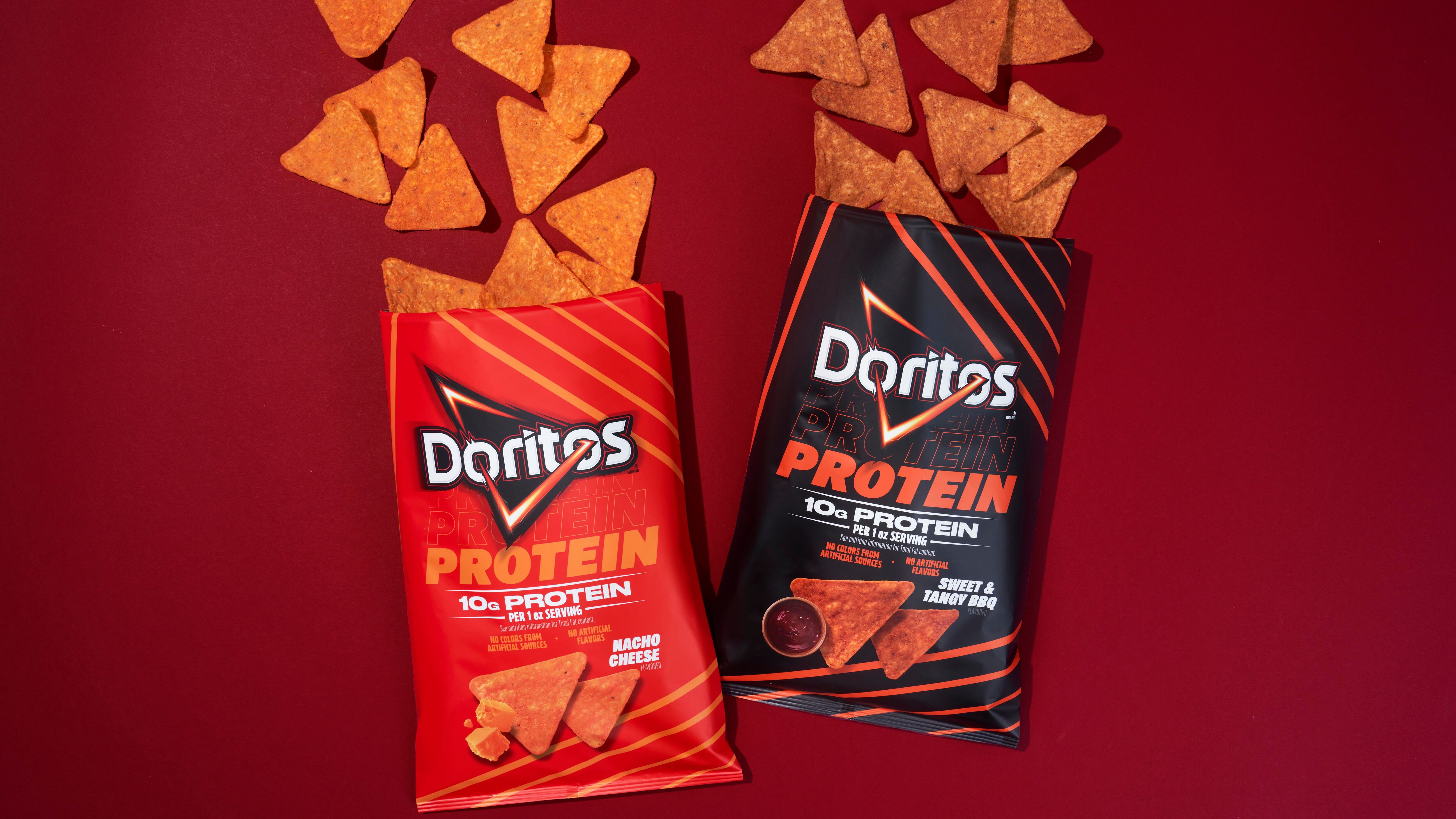
Protein is now a huge playground for both big brands and beverage entrepreneurs.
Big brands like Coca-Cola and PepsiCo are helping the category become mass market: while entrepreneurs are pushing the boundaries of what protein soda, protein waters or protein coffee can be, and where protein can show up.
And this two-pronged attack is moving protein firmly into the mainstream aisle.
“Protein is a phenomenon,” says Danny Stepper, CEO of L.A. Libations and owner of The Beverage Forum, where protein will be a key theme of this month’s event.
“Protein sodas are on the march in the US, and they’re not being positioned in the protein section. They’re right next to Olipop and Poppi in the Modern Soda section.”
Expect protein to keep popping up in new and surprising categories: and to continue revolutionizing the beverage category.
Rachel Arthur
Read More