

Entertainment
“There are no plans for ESRB to allow any factors outside the content and context of a game to influence the age rating,” says organisation
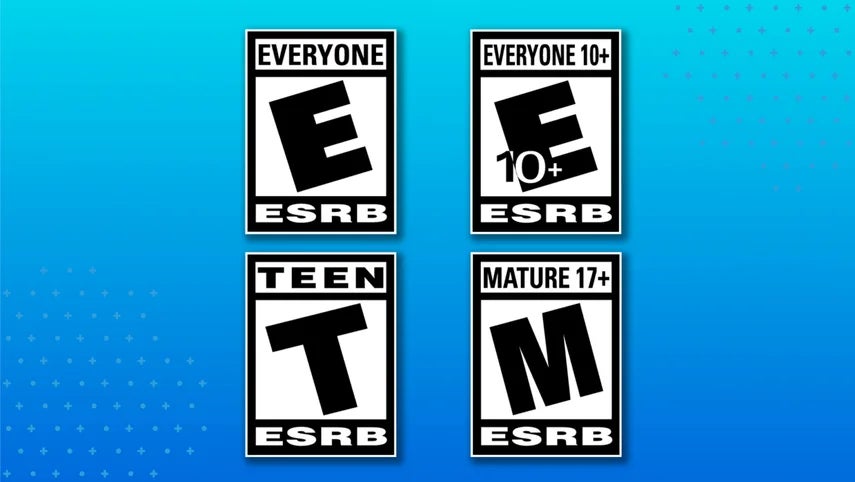
The Entertainment Software Rating Board (ESRB) will not adopt the age-rating changes announced by Pan-European Games Information (PEGI) as it “could be confusing” for users.
A spokesperson for the US organisation told The Game Business that its rating system is “based on the content of a game and the context in which it is presented to the player.”
“ESRB’s research indicates that parents want upfront notice about features like online communications and the ability to spend real money on in-game purchases, but that it could be confusing if non-content related features influence rating category assignments,” the spokesperson explained.
“As such, there are currently no plans for ESRB to allow any factors outside of the content and context of a game to influence the age rating assignment.”
In response, PEGI director general Dirk Bosmans said it is “conscious of the concerns that ESRB voices.”
“If we add this, are parents losing information? You do want to inform them both about the content, and the context, of video games,” said Bosmans.
“But by integrating them both into an age rating, you have to be mindful that you may not be able to give all the levels of detail that you gave beforehand. This is a difficult exercise. I totally appreciate that ESRB can take a different position.”
Last week, PEGI announced sweeping changes to its age rating system that will take effect at the beginning of June.
These include higher ratings for games with paid random items, time-limited or quantity-limited offers, play-by-appointment, and unrestricted communication.
The new rules will only apply to games that are submitted for classification from June onwards, though Bosmans told The Game Business it will look into legacy titles.
“There are lots of games out there and a lot of them are constantly being updated,” he explained. “We cannot continuously check our back catalogue. But we’ve been tracking the presence of in-game purchases and paid random items for the last seven years.”
“We’ll probably have to make some really smart choices and then develop a plan of attack to address some legacy products under the new criteria.”
PEGI’s rule change follows updates to the German age-rating system USK (Unterhaltungssoftware Selbstkontrolle) in 2023 to comply with the Youth Protection Act.
“We’ve actually worked together with USK quite closely to make sure that we once again realign,” PEGI director Bosmans told GamesIndustry.biz. “Because over time, if you go back more than three years ago, you could see that USK rating outcomes were quite similar to PEGI.”
Bosmans said the changes aim to keep parents as informed as possible about their children’s experience with video games.
“We always say, look, if we say that the video game is 16 and you let your 14-year-old play it, if you know that the game is 16 and you decide that your 14-year-old is old enough to play this game, that’s an informed decision,” he explained.
“That’s different from, ‘I don’t know what this all is, here, play it, and I don’t need to deal with it’.”
“It’s not unthinkable that in the next few months, some companies will go like, ‘This is outrageous.’ But I would also ask them to read the room, and see where we are these days in terms of regulatory pressure on the one hand, responsibilities [of] the industry on the other hand, and how to move forward in between those.”
Read More
Sophie McEvoy