

Entertainment
We’ve heard talk about how Gen Z and Gen Alpha don’t play games or that their attention is being driven elsewhere. They spend way too much time on their phones or watching TikTok, and not picking up the latest $70 AAA release.
Some of this is true, according to former Hollywood executive and current Astrid Entertainment CEO Sharon Tal Yguado. Younger generations aren’t as interested in larger, single-player experiences like they used to. However, the idea that they’re not playing games at all isn’t true. In a presentation at GDC Festival of Gaming 2026, Yguado said they’re playing games, just not in the same way as previous generations.
“I said we’re losing Gen Z. We’re not. They’re here. They’re playing games. It’s just that their attention and needs are changing and we should probably adapt,” she said.
That’s good news for studios since that makes for new marketing opportunities. The key here, according to Yguado, is authenticity. Throw traditional marketing out the window, go to the platforms that matter to these younger players, and ignore polish.
Related:Microsoft quietly retires ‘This is an Xbox’ marketing campaign
“They have a BS meter and they’re so cynical and critical,” she said. “They want to hear from their content creators, influencers and peers that they actually trust. Authenticity is a massive currency, and they will prefer to hear from the developers and the creators and the influencers than from a polished trailer that tells them this is what you should be playing.”
Who are Gen Z and what are they playing?
Gen Z, categorized as people born between 1995-2009, are actually big fans of video games. In a 2024 survey, Pew Research Center found that 85 percent of teens played video games. Newzoo’s Global Gamer Study 2023 shows that Gen Z and Gen Alpha are more likely to be video game enthusiasts than older generations. They’re not limited to playing games; they are also big fans of watching them played.
So why, as Yguado’s talk suggests, are video games “losing” Gen Z? For one, younger players aren’t engaging with them in traditional ways. For example, they’re not playing premium, $70 titles. They don’t care about high-fidelity graphics, long tutorials, or strong narratives, says Yguado. They’re big fans of Roblox, Minecraft, Fortnite, and Grand Theft Auto Online—what Yguado calls “forever” games—along with the burgeoning “friendslop” genre that includes games like Peak and Lethal Company.
To say that Gen Z and Gen Alpha are into live-service games is only half the story. These games offer a social space for players to hang out and be creative. For them, it’s not about winning in a competitive online shooting match but about expressing themselves and exploring in a virtual sandbox. They’d rather spend hundreds of dollars on skins that’ll give them a sense of identity than $70 on a one-time experience.
Related:UK advertising regulator issues Enforcement Notice targeting loot boxes
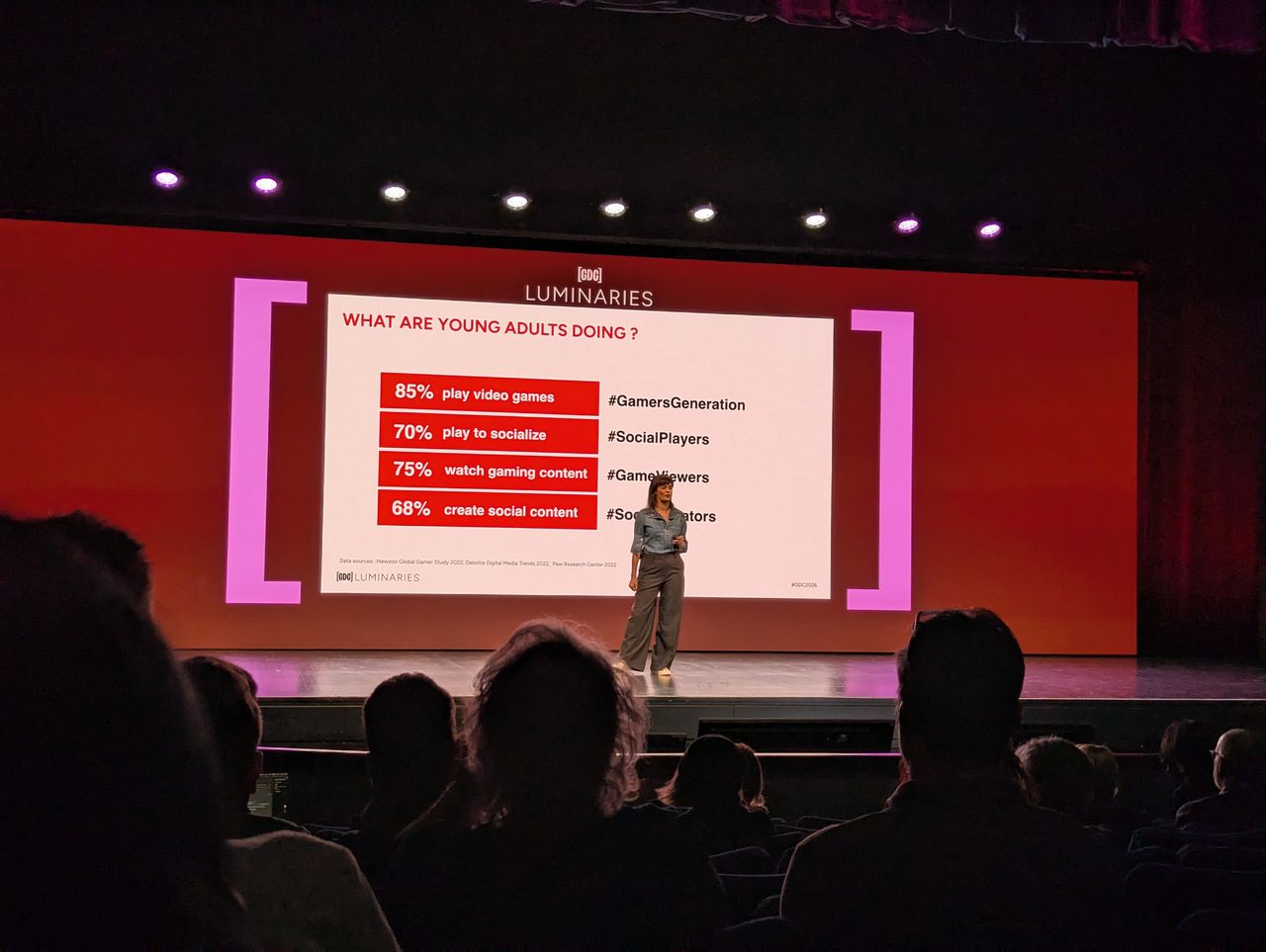
“Games are no longer a hobby. Games are not an activity. Games are a hangout, a place for them to be with their friends,” Yguado said. “They’re not just consumers. They’re content creators.”
A lot of this interest has to do with shorter attention spans brought on by growing up in a digital, algorithm-led world, according to Yguado, but this environment has also led to them favoring authenticity from content creators and participation over being passive viewers. These players were brought up in the isolation of the COVID-19 pandemic, so having fun with their friends has become a way to cope.
How to get Gen Z to play your game
Appealing to Gen Z’s tastes is foundational. For example, Yguado and Astrid Entertainment are building a game specifically for Gen Z-aged players. She didn’t give many details and there hasn’t been a public announcement yet, but it’s working on a co-op game that features creative tools and will be “a lot of fun to hang out with your friends.”
Related:Tiktok refuses to axe racist AI-generated ads for Finji games
Creating a “viral” game that is meme-able is easier said than done. Virality is unpredictable and there are a lot of factors besides a game’s content that can influence that kind of discoverability. Plus, what if you want to make a game that isn’t friendslop? Studios can still forgo traditional marketing avenues in favor of more “authentic” ones on social video platforms and with influencers. YouTube and TikTok are considered to be the most reliable platforms by this demographic, and ensuring you come off as relatable and real is key.
Plus, just because Gen Z and Gen Alpha not playing those $70 titles now doesn’t mean they won’t in the future. Yguado believes that those players will “graduate” from Roblox and other sandbox titles, although they probably won’t be leaving Roblox forever. Games won’t be going away just because Roblox is around. You just have to meet new players where they are and on their own terms.
“We live in a brave new world. They live in a brave new world. We’re accompanying them as parents, as content creators, as leaders. And there’s a lot we can do. I’m incredibly optimistic about games,” she said.
Game Developer and GDC Festival of Gaming are sibling organizations under Informa Festivals.
Entertainment About the Author
Contributor
Carli Velocci is a freelance technology and video games writer and editor. They’ve written for Digital Trends, Windows Central, The Verge, and more. You can find them on Twitter @velocciraptor or at carlivelocci.com
Read More
Carli Velocci