8 Things to Know About New Research on Earth’s Rapid Drying and the Loss of Its Groundwater

ProPublica is a nonprofit newsroom that investigates abuses of power. Sign up to receive our biggest stories as soon as they’re published.

The continents are rapidly drying out and the earth’s vast freshwater resources are under threat, according to a recently released study based on more than 20 years of NASA satellite data. Here are the report’s key findings and what they portend for humankind:

Much of the Earth is suffering a pandemic of “continental drying,” affecting the countries containing 75% of the world’s population, the new research shows.

The study, published in the journal Science Advances, examined changes to Earth’s total supply of fresh water and found that nearly 6 billion people live in the 101 countries facing a net decline in water supply, posing a “critical, emerging threat to humanity.”

Mining of underground freshwater aquifers is driving much of the loss.

According to the study, the uninhibited pumping of groundwater by farmers, cities and corporations around the world now accounts for 68% of the total loss of fresh water at the latitudes where most people live.

Much of the water taken from aquifers ends up in the oceans, contributing to the rise of sea levels.

Mined groundwater rarely seeps back into the aquifers from which it was pumped. Rather, a large portion runs off into streams, then rivers and ultimately the oceans. According to the researchers, moisture lost to evaporation and drought, plus runoff from pumped groundwater, now outpaces the melting of glaciers and the ice sheets of either Antarctica or Greenland as the largest contributor of water to the oceans.

Water From Land Has Become a Leading Driver of Sea Level Rise

Most of the water lost from drying regions is from groundwater pumping, which ultimately shifts fresh water from aquifers into the oceans.

Note: Glaciers refer to the parts of the continents covered in glaciers but excludes the ice sheets of Greenland and Antarctica. Drying land and aquifers refer to the water lost by the continents in areas not covered by glaciers, including river flow and evaporation. Groundwater loss accounts for 68% of the drying in those places.

As droughts grow more extreme, farmers increasingly turn to groundwater.

Worldwide, 70% of fresh water is used for growing crops, with more of it coming from groundwater as droughts grow more extreme. Only a small amount of that water seeps back into aquifers. Research has long established that people take more water from underground when climate-driven heat and drought are at their worst.

Drying regions of the planet are merging.

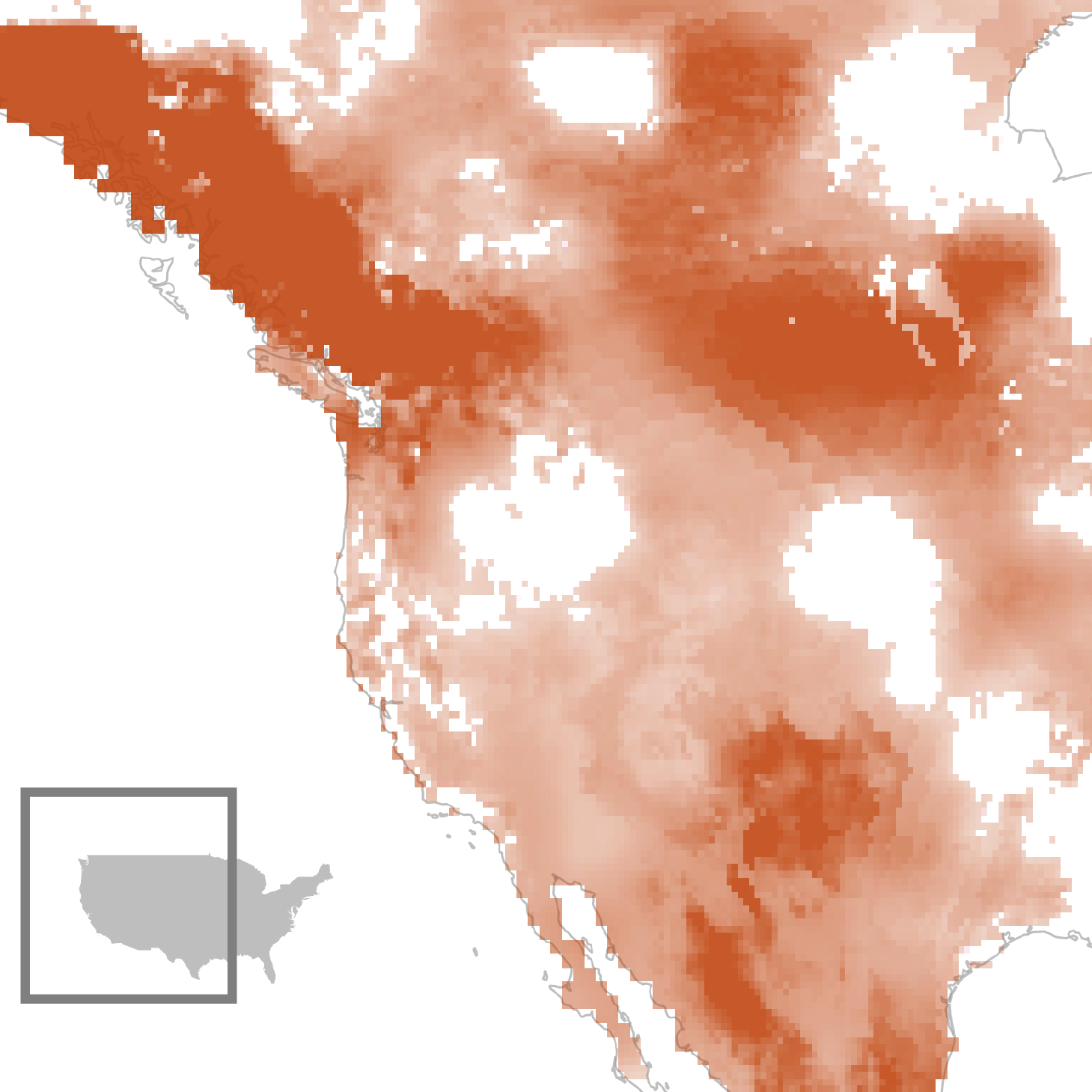
The parts of the world drying most acutely are becoming interconnected, forming what the study’s authors describe as “mega” regions. One such region covers almost the whole of Europe, the Middle East, North Africa and parts of Asia.

Drying of the Earth has accelerated in recent years.

The study examines 22 years of observational data from NASA’s Gravity Recovery and Climate Experiment, or GRACE, satellites, which measure changes in the mass of the earth and have been applied to estimate its water content. Since 2002, the sensors have detected a rapid shift in water loss across the planet. Around 2014, the study found the pace of drying appears to have accelerated. It is now growing by an area twice the size of California each year.

The Drying of the Earth Accelerated in Recent Years

The dramatic depletion of groundwater and surface water plus the melting of glaciers between 2014-24 has connected once-separate arid places, forming “mega-drying” regions that stretch across whole continents.

2003-2013

2014-2024

2

Water Loss (mmSLE)

South America

2003-2013

2014-2024

North America
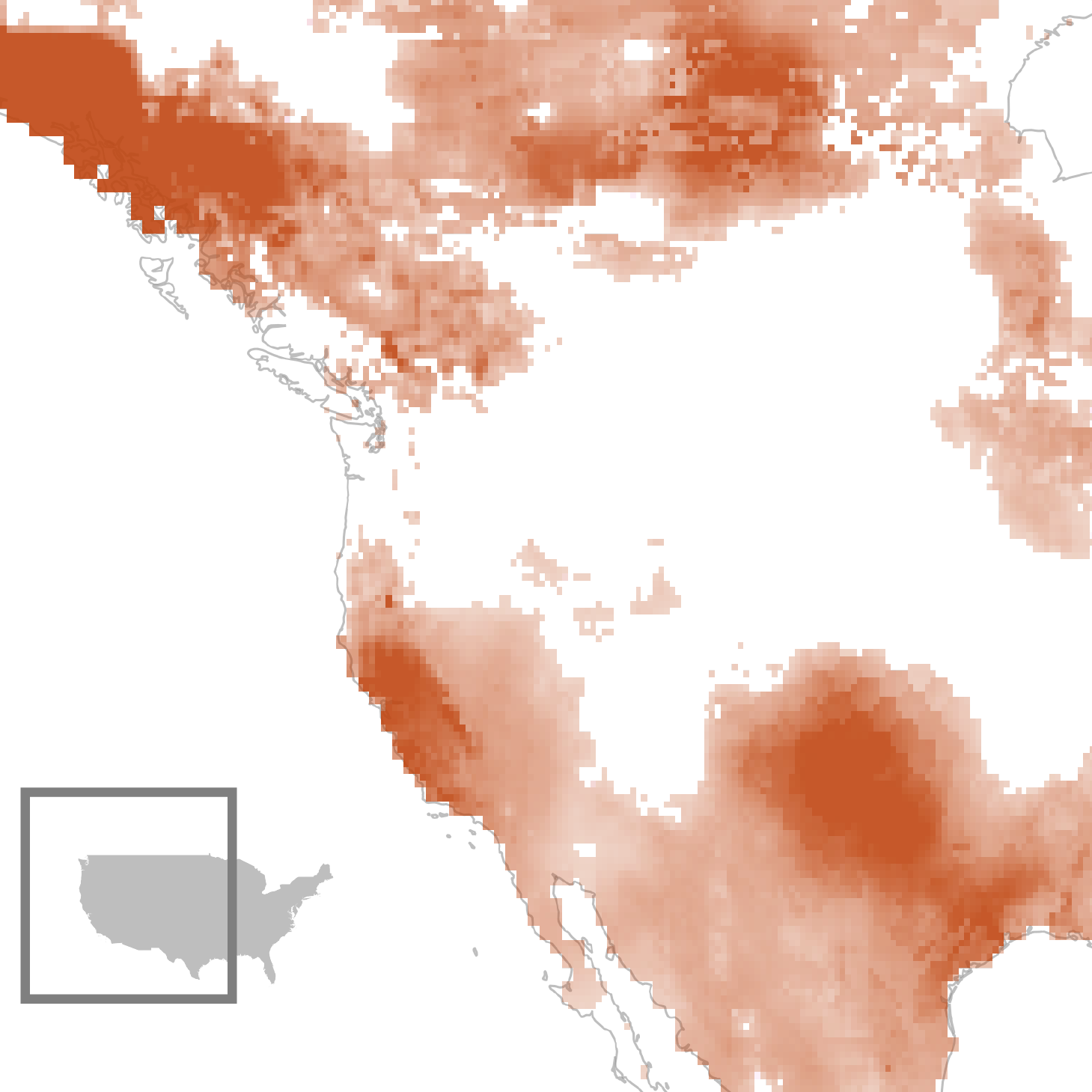
Note: Data is for February 2003 to December 2013 and January 2014 to April 2024. The first time period contains seven more months of data than the second.

Water pumped from aquifers is not easily replaced, if it can be at all.

Major groundwater basins underlie roughly one-third of the planet, including about half of Africa, Europe and South America. Many of those aquifers took millions of years to form and might take thousands of years to refill. The researchers warn that it is now nearly impossible to reverse the loss of water “on human timescales.”

As continents dry and coastal areas flood, the risk for conflict and instability increases.

The accelerated drying, combined with the flooding of coastal cities and food-producing lowlands, heralds “potentially staggering” and cascading risks for global order, the researchers warn. Their findings all point to the likelihood of widespread famine, the migration of large numbers of people seeking a more stable environment and the carry-on impact of geopolitical disorder.

Data Source: Hrishikesh. A. Chandanpurkar, James S. Famiglietti, Kaushik Gopalan, David N. Wiese, Yoshihide Wada, Kaoru Kakinuma, John T. Reager, Fan Zhang (2025). Unprecedented Continental Drying, Shrinking Freshwater Availability, and Increasing Land Contributions to Sea Level Rise. Science Advances. https://www.science.org/doi/10.1126/sciadv.adx0298

Graphics by Lucas Waldron

Read More

Latest

Bitcoin Treasuries Are Cracking as Public Companies Turn into BTC Sellers

A wave of bitcoin selling from public companies and sovereign entities is adding pressure to the bitcoin market, as firms that once called themselves long-term holders sit on long-term losses and move to shore up balance sheets, repay debt, and fund strategic pivots. Companies including Riot Platforms, Genius Group, and Nakamoto Holdings have all reduced

Analyst Says Bitcoin Closing 6 Red Monthly Candles Isn’t Bearish, What To Expect

Bitcoin’s recent price structure has not been easy to sit through. The price action has spent months moving sideways to lower, printing a series of bearish monthly closes since October that have placed the crypto sentiment in fear. That kind of slow pressure tends to feel worse than sharp sell-offs. According to a crypto analyst

Bitcoin breaks critical support as dollar and oil move together, raising risk of a deeper drop

Bitcoin spent the past 24 hours returning to the key levels on my channel map rather than continuing its breakout. It tested a boundary, failed to convert that test into acceptance, and rotated lower into the next pocket of support memory. Bitcoin price slid from the upper $68,000s and low $69,000s to around $66,400 by

Mapletree Notches Fifth US Logistics Disposal With $207.5M Sale to Dalfen

Mapletree Investments has sold a US logistics portfolio to last-mile specialist Dalfen Industrial for $207.5 million, as the Singapore-based group continues a string of disposals across its North American warehouse platform. The transaction marks Mapletree’s fifth major US logistics divestment... Read More>> The post Mapletree Notches Fifth US Logistics Disposal With $207.5M Sale to Dalfen appeared first

Newsletter

Don't miss

Bitcoin Treasuries Are Cracking as Public Companies Turn into BTC Sellers

A wave of bitcoin selling from public companies and sovereign entities is adding pressure to the bitcoin market, as firms that once called themselves long-term holders sit on long-term losses and move to shore up balance sheets, repay debt, and fund strategic pivots. Companies including Riot Platforms, Genius Group, and Nakamoto Holdings have all reduced

Analyst Says Bitcoin Closing 6 Red Monthly Candles Isn’t Bearish, What To Expect

Bitcoin’s recent price structure has not been easy to sit through. The price action has spent months moving sideways to lower, printing a series of bearish monthly closes since October that have placed the crypto sentiment in fear. That kind of slow pressure tends to feel worse than sharp sell-offs. According to a crypto analyst

Bitcoin breaks critical support as dollar and oil move together, raising risk of a deeper drop

Bitcoin spent the past 24 hours returning to the key levels on my channel map rather than continuing its breakout. It tested a boundary, failed to convert that test into acceptance, and rotated lower into the next pocket of support memory. Bitcoin price slid from the upper $68,000s and low $69,000s to around $66,400 by

Mapletree Notches Fifth US Logistics Disposal With $207.5M Sale to Dalfen

Mapletree Investments has sold a US logistics portfolio to last-mile specialist Dalfen Industrial for $207.5 million, as the Singapore-based group continues a string of disposals across its North American warehouse platform. The transaction marks Mapletree’s fifth major US logistics divestment... Read More>> The post Mapletree Notches Fifth US Logistics Disposal With $207.5M Sale to Dalfen appeared first

Bitcoin slips below $67k as ETF outflows curb risk appetite

Key takeaways BTC is down 2%, erasing the recovery earlier this week, US-listed spot ETF recorded an outflow of $173.73 million on Wednesday, breaking its two days of inflow this week. Bitcoin faces continued losses amid weaker institutional demand Bitcoin (BTC) prices continued to decline on Thursday, trading below $67,000, almost completely erasing the recovery

Tesla’s Business Has Become Much More Diversified in Just the Past Five Years. Does That Make Its Stock a Better Buy Today?

Key Points Tesla's energy generation and storage segment generated 27% revenue growth last year. The company's non-automotive segments were able to help offset a double-digit decline in auto revenue in 2025. These 10 stocks could mint the next wave of millionaires › Tesla (NASDAQ: TSLA) is known for its electric vehicles (EVs), and while they

WD sees sustainability as key business driver in an ‘AI economy’

Hard drive company WD promoted long-term operations and sustainability executive Jackie Jung to become its first chief sustainability officer in February, as it steps up sales to companies building AI data centers. Her vision: Turn sustainability into a “brand” for WD, a strategy that reduces risk for the $6 billion company (formerly known as Western

5 Business Ideas Worth Starting in 2026

If there is one thing Nigerians understand well, it is how to spot opportunity inside hardship. In 2026, that mindset will matter more than ever. The economy is tough, competition is rising, and many people are looking for smarter ways to earn, build, and survive. But even in a difficult environment, some businesses still stand