

Let’s not beat around the bush: tech giants don’t always have the creative community’s best interests at heart. From algorithm changes that devastate reach overnight to policies that favour corporate content over independent creators, major platforms have repeatedly shown that their priorities lie with shareholders rather than the artists, filmmakers and content creators who built their success.
So it feels unusual for me to say this. But YouTube’s latest policy update suggests Google’s video platform just might be on the right side of a crucial argument.
These new guidelines represent a shift in how AI-generated content is treated on YouTube, signalling what seems like a genuine attempt to protect creators from being overwhelmed by synthetic content.
To understand what they mean for creatives, and whether YouTube can be trusted to follow through on its promises, I spoke with Molly McDonald, founder of Blue Door Productions and a YouTube specialist who’s produced content for KSI, Red Bull and the BBC.
A necessary intervention
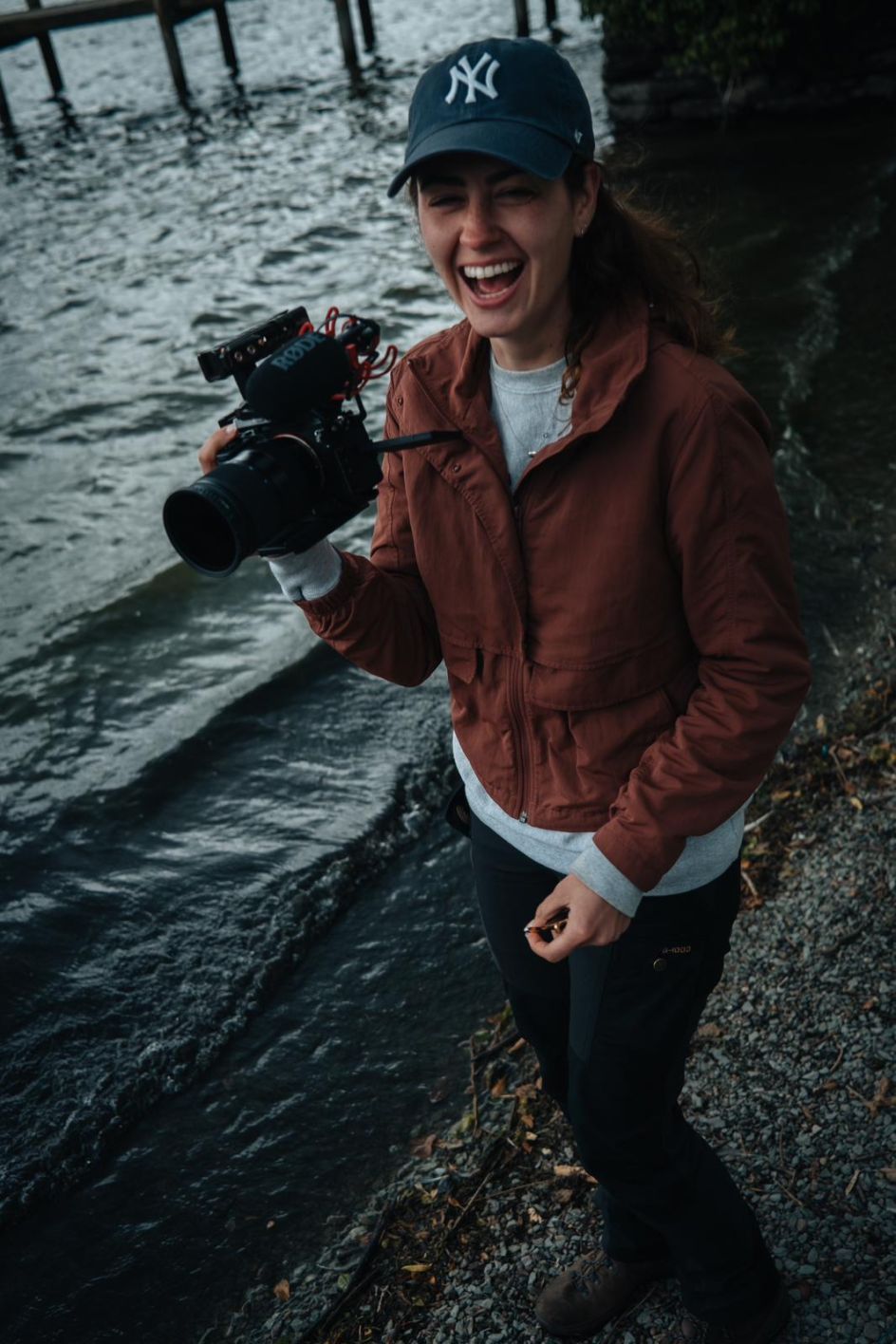
In Molly’s view, YouTube’s new rules are a crucial protective measure for authentic creators. “They help guard against the risk of AI use because they ensure human responsibility and oversight,” she explains. “Not only that, but they also protect the time, effort and creativity that genuine creators invest in their content.”
It’s important to note that YouTube isn’t banning AI usage. But they do require creators to contribute meaningful human input—such as commentary and creative editing—if they want to sell ads against their content.
This approach addresses growing concerns about “AI slop”: low-quality, mass-produced content that threatens to overwhelm the platform.
“Reducing AI-generated content supports those who truly power the platform; real people crafting original work,” Molly argues. “By discouraging AI use, we’re not just setting a standard; we’re standing behind the creators who make the platform valuable.”
The authenticity imperative
At the heart of all this lies a fundamental belief about human connection and creative authenticity. As Molly puts it: “The bottom line is, the human experience cannot be replicated; the authentic, the nuanced, the emotional depth, that as creators is irreplaceable and builds trust and cultural value.”
It’s a tension many creative professionals face: while AI can enhance productivity, there’s a risk of losing the unique qualities that make content compelling. “Overall, as people, we want human connection,” Molly says. “So by protecting authenticity in its content, YouTube is actually future-proofing its own success.”

She concedes that people can be fooled by AI, especially in short-form or low-context content. “However, I think that is only a short-term advantage for AI,” she argues. “Over time, audiences are very good at identifying what feels real versus what is manufactured, even if they cannot articulate why.”
The tool versus replacement debate
It’s important to note that Molly is no anti-AI Luddite. In her own work with high-profile clients, she employs what she calls an “amplifier, not a replacement” philosophy.
“We might use AI tools to help brainstorm title variations or to test thumbnail concepts for YouTube,” she explains. “It speeds up iteration without replacing the human judgment call on what actually feels exciting or on-brand. Where I draw the line is when AI tries to generate the creative product itself, such as writing scripts, editing full videos or fabricating footage. That’s where you risk losing the unique fingerprints of the creator.”
This approach is particularly relevant when working with personality-driven content creators. “With Red Bull or KSI, the value is in their voice, their quirks, their references, and their sense of humour,” Molly points out. “AI cannot live that life for them, so it cannot fully replace it.”
Industry-wide implications
Another effect of the new rules, Molly predicts, is that other major platforms will face pressure to follow suit. “If YouTube becomes the place where human-created content is rewarded and surfaces more easily, that will attract talent away from platforms that are flooded with AI-generated filler,” she reasons.
At the same time, she recognises that different platforms have varying priorities. “Some platforms, TikTok especially, are more driven by short-term engagement than by long-term trust,” Molly believes. “They might make gestures towards prioritising human content, but it will be a balancing act between keeping creators happy and keeping costs down.”
The concern about content migration, though, is real. “The danger is that if they do not act, the ‘slop’ will simply migrate and audiences might not even realise they are being fed more and more synthetic content,” Molly warns.
In this light, YouTube’s new AI rules represent more than just platform policy—they signal a broader industry reckoning with the role of artificial intelligence in creative work. While AI will undoubtedly remain part of the creative toolkit, the most successful approaches will be those that preserve and amplify human creativity, rather than replacing it.
“There is a texture to lived experience and to the little imperfections that are hard to fake,” Molly reflects. For creative professionals navigating this changing landscape, her message is clear: embrace AI as a tool, but never lose sight of the irreplaceable value of authentic human creativity.