

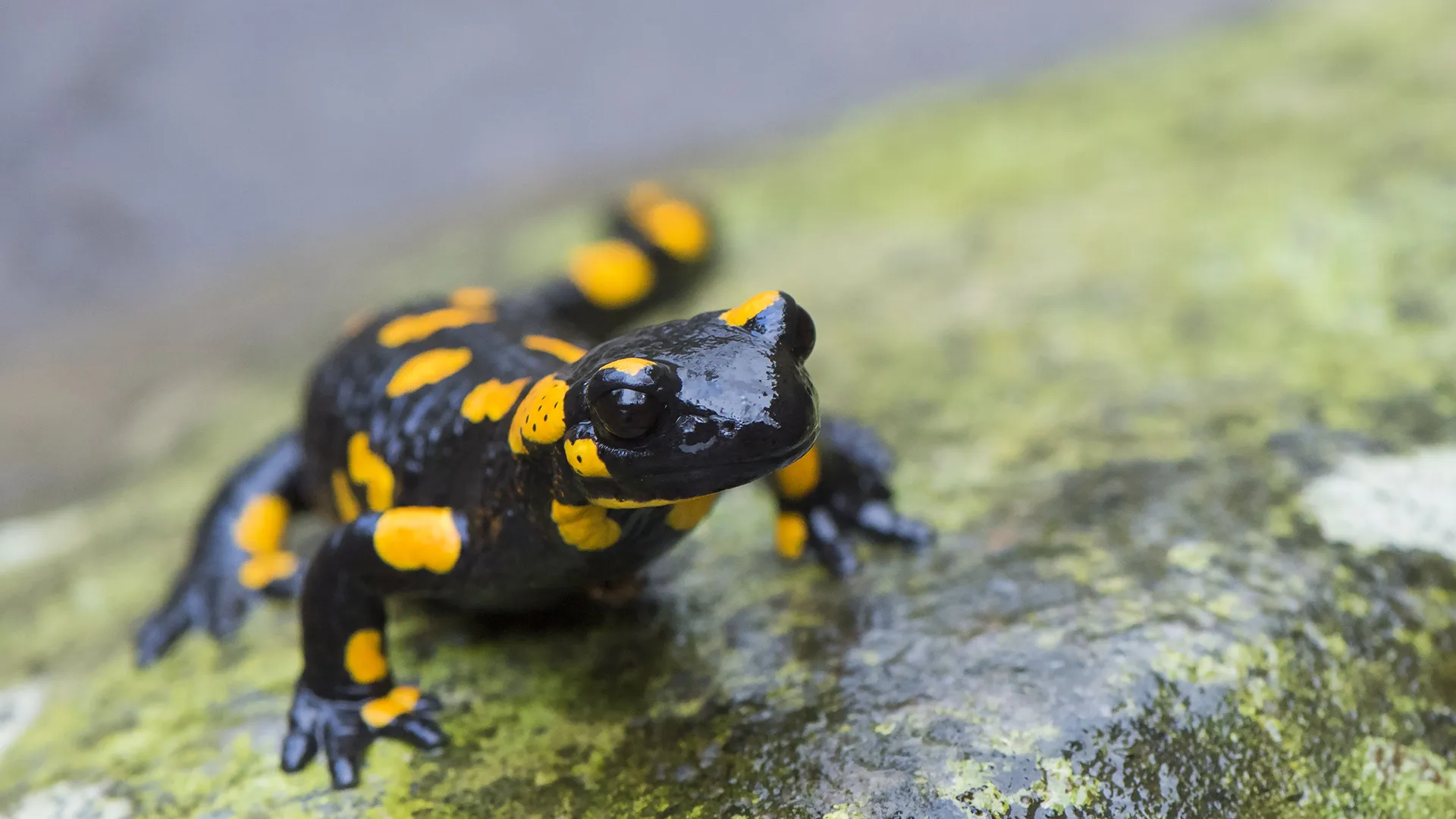
Habitat loss, diseases, pollution, and climate change are already massively affecting amphibians – frogs, salamanders, and the caecilians native to tropical regions. The new study from the Institute for Ecology, Evolution and Diversity shows that extreme weather events serve as an additional stress factor, further intensifying this crisis. For this purpose, the scientists analyzed global weather data from the past 40 years. They compared regions with significantly increased heat waves, droughts, and cold spells with the geographical distribution of more than 7,000 amphibian species and their threat status on the “Red List.” The Red Lists are being published since 1964 by the International Union for the Conservation of Nature and Natural Resources (IUCN) and are considered an important tool for assessing the threat status of animal, plant, and fungal species worldwide.
Critical Interaction of Various Factors
The results are clear: where heat waves and droughts have increased, the threat status of amphibians on the Red List has also significantly deteriorated since 2004. “Amphibians’ dependence on temporary wetlands for breeding makes them particularly vulnerable to droughts and temperature shifts that causes their breeding grounds to dry prematurely,” explains Dr. Evan Twomey, lead author of the study. “Our analyses show the direct connection between the increase in extreme weather events and the decline of amphibian populations.”
Regional Focus Areas
Three regions are particularly affected: Europe, the Amazon region, and Madagascar. While in South America the majority of amphibians found there – mostly frogs – are exposed to increasing heat waves, in Europe it is primarily droughts that are causing problems for the animals. Here, it is mainly salamanders that suffer under the changed conditions. The situation in Central Europe gives cause for concern. Future climate projections show that drought periods in Central Europe will likely increase in both duration and intensity. Prof. Lisa Schulte, head of the Department of Wildlife-/Zoo-Animal-Biology and Systematics warns: “Already half of the true salamanders native to Central Europe are exposed to increasing droughts today — and this will likely get worse in the future.”
Urgent Need for Action
The study results highlight the urgency of targeted conservation measures. Various approaches from amphibian research could help threatened species. These include, for example, the creation of small protected areas where amphibians can find refuge, as well as the improvement of wetlands to ensure optimal living conditions. Creating moist retreat sites, such as using pipes or boards, also provides these animals with opportunities to withdraw during dry periods.
The study provides important foundations for adapted conservation strategies in the particularly affected regions. Amphibians are considered indicators of ecosystem health – their protection is therefore of paramount importance for preserving biodiversity.
Buffy Serna
Read More