

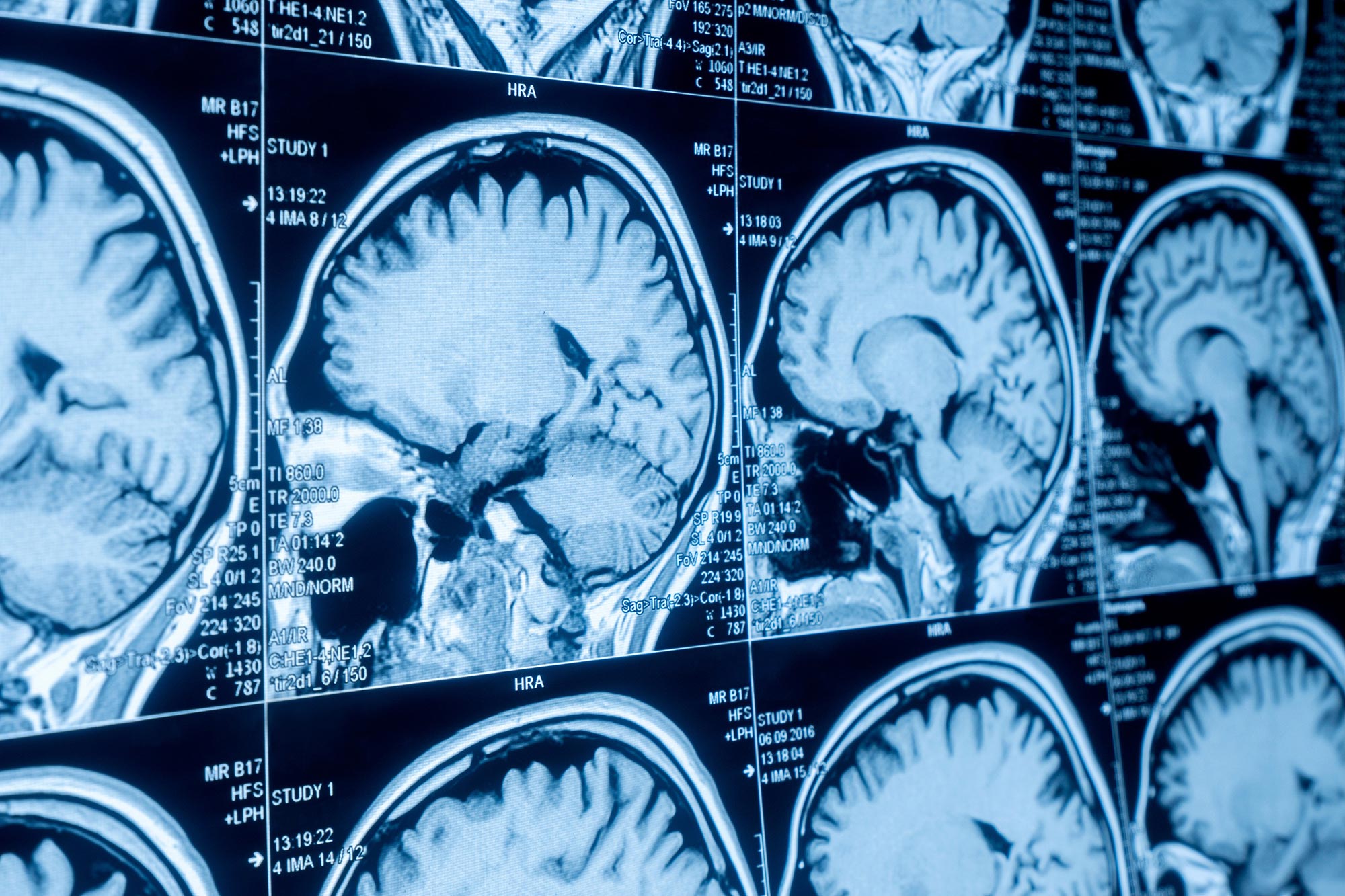
An AI-powered tool called MELD Graph is revolutionizing epilepsy care by detecting subtle brain abnormalities that radiologists often miss.
By analyzing global MRI data, the tool improves diagnosis speed, increases access to surgical treatment, and cuts healthcare costs. Though not yet in clinical use, it is already helping doctors identify operable lesions, offering hope to epilepsy patients worldwide.
AI Breakthrough in Epilepsy Detection
Scientists have developed an AI-powered tool that can detect 64% of brain abnormalities linked to epilepsy that human radiologists miss.
The tool, known as MELD Graph, could significantly improve care for an estimated 30,000 patients in the UK and 4 million worldwide who have a specific cause of epilepsy, researchers say.
A study published today (February 24) in JAMA Neurology by a team from King’s College London and University College London (UCL) demonstrates that MELD Graph greatly enhances the detection of focal cortical dysplasias (FCDs) – a leading cause of epilepsy.
Faster Diagnoses, More Lives Changed
According to researchers, this AI-driven technology could speed up diagnoses, help patients access surgical treatment sooner, and reduce healthcare costs, potentially saving the NHS up to £55,000 (~$70,000) per patient.
Epilepsy affects 1 in 100 people in the UK, and for 1 in 5 of them, seizures are caused by a structural abnormality — or lesion — in the brain. FCDs are a common structural cause of epilepsy, but in many cases, seizures caused by these abnormalities cannot be controlled with medication. Surgery to remove the lesion is often a safe and effective treatment, but diagnosing FCDs is challenging. These lesions are often subtle and difficult to detect, and radiologists miss up to 50% of them.
Delays in identifying and treating FCDs mean more seizures, more emergency visits, and greater disruption to daily life — affecting work, school, and overall well-being. By improving detection rates, MELD Graph could transform the way epilepsy is diagnosed and treated, giving patients faster access to life-changing care.
In the study, the researchers pooled MRI data from 1185 participants – including 703 people with FCD and 482 controls – from 23 epilepsy centers around the world in the Multicentre Epilepsy Lesion Detection project (MELD). Half of the dataset is from children. They then trained the
Co-author Dr. Luca Palma, from Bambino Gesù Children’s Hospital, Italy, said: “MELD Graph identified a subtle lesion missed by many radiologists in a 12-year-old boy who had daily seizures and had tried nine anti-seizure medications with no improvement to his condition. This tool could identify patients with surgically operable epilepsy and help with surgical planning – reducing risks, saving money, improving outcomes.”
Bringing AI to Clinicians Worldwide
While the tool is not yet clinically available, the research team has released the AI tool as an open-source software. They are running workshops to train clinicians and researchers around the world, including Great Ormond Street Hospital and the Cleveland Clinic, in how to use it.
First author, Dr. Mathilde Ripart from UCL, said “One of the highlights for me is hearing from doctors around the world, including the UK, Chile, India, and France have been able to use our tools to help their own patients.”
Co-author Professor Helen Cross, Prince of Wales’s Chair of Childhood Epilepsy, President of the International League Against Epilepsy, Consultant Epileptologist at Great Ormond Street Hospital, and Director of the UCL Great Ormond Street Institute of Child Health, OBE said: “Many of the children I see have experienced years of seizures and investigations before we find a lesion. The epilepsy community is searching for ways to speed up diagnosis and treatment. Initiatives such as MELD have the potential to rapidly identify abnormalities that can be removed and potentially cure the epilepsy.”
A Global Effort to End Missed Diagnoses
Co-lead Dr. Sophie Adler from UCL said: “This type of research is only possible with international collaboration. We were privileged to work with 75 researchers and clinicians towards this common goal of “no missed epilepsy lesions worldwide.”
Reference: “Detection of Epileptogenic Focal Cortical Dysplasia Using Graph Neural Networks: A MELD Study” by Mathilde Ripart, Hannah Spitzer, Logan Z. J. Williams, Lennart Walger, Andrew Chen, Antonio Napolitano, Camilla Rossi-Espagnet, Stephen T. Foldes, Wenhan Hu, Jiajie Mo, Marcus Likeman, Theodor Rüber, Maria Eugenia Caligiuri, Antonio Gambardella, Christopher Guttler, Anna Tietze, Matteo Lenge, Renzo Guerrini, Nathan T. Cohen, Irene Wang, Ane Kloster, Lars H. Pinborg, Khalid Hamandi, Graeme Jackson, Domenico Tortora, Martin Tisdall, Estefania Conde-Blanco, Jose C. Pariente, Carmen Perez-Enriquez, Sofia Gonzalez-Ortiz, Nandini Mullatti, Katy Vecchiato, Yawu Liu, Reetta Kalviainen, Drahoslav Sokol, Jay Shetty, Benjamin Sinclair, Lucy Vivash, Anna Willard, Gavin P. Winston, Clarissa Yasuda, Fernando Cendes, Russell T. Shinohara, John S. Duncan, J. Helen Cross, Torsten Baldeweg, Emma C. Robinson, Juan Eugenio Iglesias, Sophie Adler, Konrad Wagstyl, MELD FCD writing group, Abdulah Fawaz, Alessandro De Benedictis, Luca De Palma, Kai Zhang, Angelo Labate, Carmen Barba, Xiaozhen You, William D. Gaillard, Yingying Tang, Shan Wang, Shirin Davies, Mira Semmelroch, Mariasavina Severino, Pasquale Striano, Aswin Chari, Felice D’Arco, Kshitij Mankad, Nuria Bargallo, Saul Pascual-Diaz, Ignacio Delgado-Martinez, Jonathan O’Muircheartaigh, Eugenio Abela, Jothy Kandasamy, Ailsa McLellan, Patricia Desmond, Elaine Lui, Terence J. O’Brien and Kirstie Whitaker, 24 February 2025, JAMA Neurology.
DOI: 10.1001/jamaneurol.2024.5406
King’s College London
Read More