

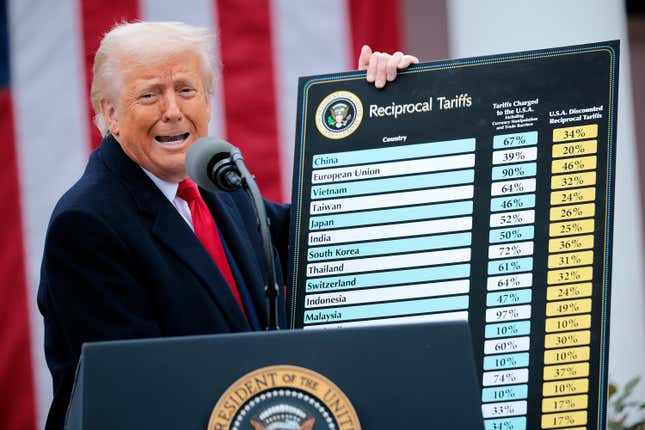
President Donald Trump’s so-called “reciprocal” tariffs haven’t been well received, especially after the White House explained its math.
“If a 9th grader in high school presented this tariff chart to a teacher in a basic economics class the teacher would laugh and say sit down and work on the assignment,” Wedbush Securities analyst Dan Ives, who oversees technology firm coverage, said in a Thursday note to clients.
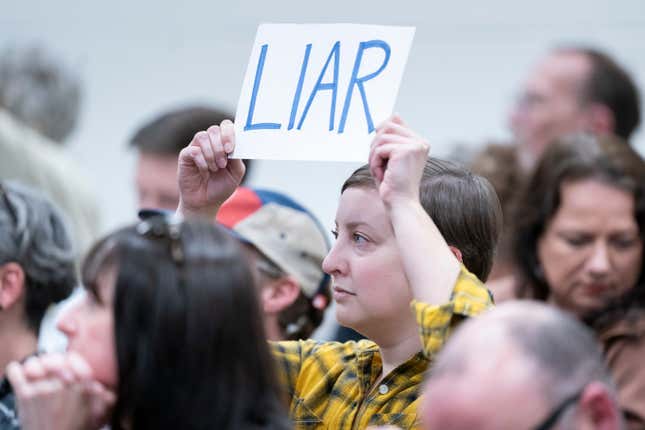
Everyone has their vices, but, in the U.S., some states have residents that particularly struggle to tell the truth — at least, that’s what one law office tells us.
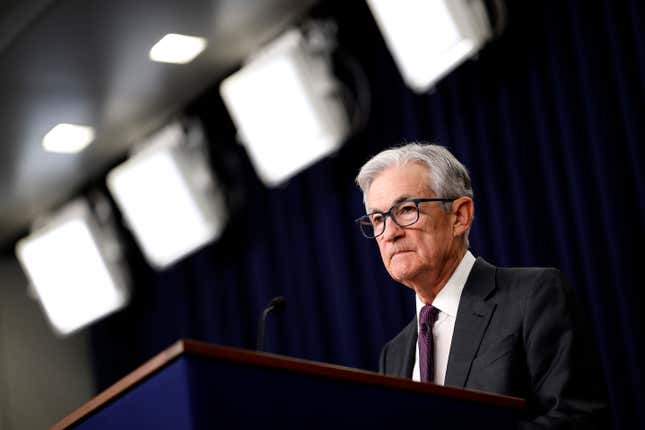
President Donald Trump’s new tariffs create a dilemma for the Federal Reserve because they’re likely to both increase inflation and slow economic growth — and possibly lead to stagflation.

Stocks were mixed on Monday as investors await a better sense of whether new tariffs are just a negotiating tactic — or, as Donald Trump has intermittently insisted, now a permanent part of the economic landscape.
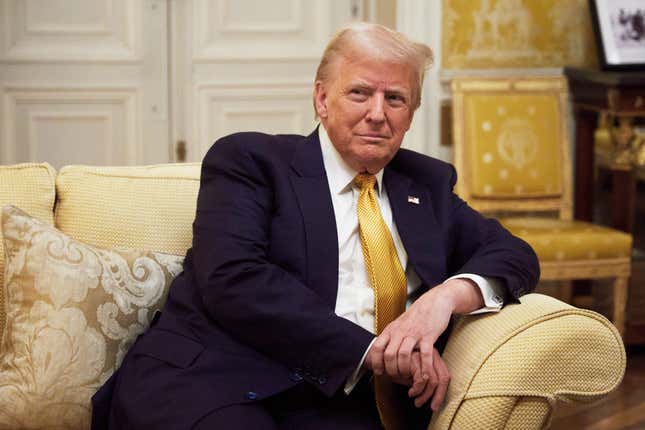
Why Trump’s new tariffs could send corporate earnings into a tailspin, according to a strategist
Dimitri Zabelin, Geopolitical Strategist at Pantheon Insights, broke down how China and the EU are responding to the new tariffs in an interview with NYSE TV
Recession odds spike to 50-50 after Trump’s new tariffs, strategist says
In an NYSE TV interview, Ahmed Riesgo, CIO at Insigneo, explains why recession fears are mounting — and what investors can do to protect their portfolios
Read More
Johnathon Fetzer