

Bitcoins
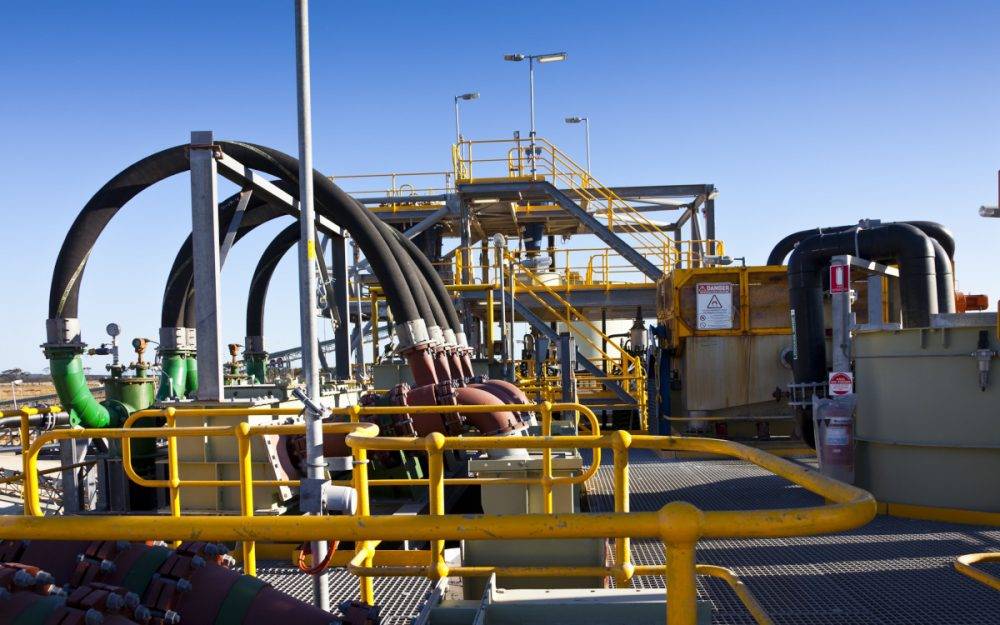
There is a good argument for Southern Africa to be positioned as a hub for beneficiation and manufacturing in the renewable energy and electric vehicle sectors, generating additional revenue, building local expertise and creating higher-value jobs.
Southern Africa is poised at a moment of unparalleled opportunity to leverage its vast reserves of critical minerals to drive not only economic transformation but also a green and sustainable future.
As the world moves toward net-zero goals and targets, the demand for rare earth elements and critical minerals such as lithium, cobalt, nickel, and copper are skyrocketing. Southern Africa, with its rich resource base, has an opportunity to position itself as a key player in the global critical minerals value chain.
A strategic and sustainable approach to developing these resources could attract billions of dollars in foreign direct investment (FDI), catalysing infrastructure development, creating jobs (primary, secondary and tertiary) and fostering socio-economic upliftment. The value chain opportunities offer a pathway to economic diversification and long-term economic resilience.
But unlocking this potential requires more than the extraction of resources. It calls for integrated development planning, strategic collaboration at a local, national and regional level and a commitment to environmental, social, and governance (ESG) principles.
While the emphasis is always on processing critical minerals locally instead of exporting raw materials, this approach will require substantial investment, must be economically viable and is largely tied to the lifespan of the underlying mineral resource.
There is a good argument for Southern Africa to be positioned as a hub for beneficiation and manufacturing in the renewable energy and electric vehicle sectors, generating additional revenue, building local expertise and creating higher-value jobs.
By leveraging mining, its supply chains and requisite infrastructure, co-investment can be catalysed in sectors such as agro-industrial, textile, forestry, energy and tourism. These industries will ultimately provide more sustainable and resilient economic ecosystems that will survive and thrive beyond the life of a mine.
Policy inconsistencies across the Southern African Development Community (SADC) member states pose problems to regional collaboration. A unified regulatory framework is particularly critical for attracting FDI and leveraging the region’s collective mineral wealth.
Favourable fiscal regimes, streamlined permitting processes and clear regulatory frameworks are essential to creating an investor-friendly environment.
Moreover, efforts to establish regional value chains — connecting mineral-rich nations to markets, processing hubs and export routes — can ensure that the benefits of the critical minerals boom are widely shared.
Special economic zones (SEZs) offer a platform for economic transformation by encouraging value addition and industrialisation.
Establishing cross-border SEZs dedicated to economic diversification, including the beneficiation of critical minerals, can enable shared infrastructure, reduce operational costs and enhance regional integration. These zones provide opportunities for beneficiation industries, which fosters job creation and retains greater value in the beneficiary region.
Critical minerals transcend national boundaries, demanding cooperation across governments and industries.
Effective collaboration can enhance infrastructure development, improve trade networks and attract the investment needed to unlock the region’s mineral potential.
Mining companies, policymakers and private investors must work together to integrate value chains, from extraction to refining, manufacturing and catalysing diversified economic ecosystems.
Regional cooperation will be pivotal to Southern Africa’s success. The recently established African Critical Minerals Alliance provides a platform for harmonising policies, pooling resources and fostering joint ventures.
By leveraging collective expertise and economies of scale, member nations can address common problems such as infrastructure development, capacity building and securing access to the global market.
Collaboration also offers a buffer against geopolitical risks. By presenting a unified front, the region can negotiate better terms with international investors and ensure that the benefits of its resources are equitably distributed.
Sustainability must be at the heart of Southern Africa’s critical minerals strategy. The mining industry faces increasing scrutiny from global investors, regulators and consumers who demand adherence to stringent ESG standards.
This is not merely a reputational concern — it is a commercial imperative which is fast gaining the legal backing to enforce accountability. Mining operations that fail to integrate sustainability into their core practices risk exclusion from global supply chains, as well as legal and operational repercussions, particularly in the critical minerals sector.
The strengthening of legislative efforts so that climate change mitigation and adaptation measures are implemented by governments and the private sector presents additional challenges, such as the European Union’s Carbon Border Adjustment Mechanism, but also opportunities for the mining value chain.
Similarly, international markets are placing increasing emphasis on human rights and environmental concerns linked to the extraction of critical minerals in Southern Africa’s “high risk” regions.
These include land dispossession and inadequate compensation, unfair working conditions, occupational health and safety hazards, fatal incidents and harassment and intimidation of human rights defenders.
For Southern Africa, this means adopting cutting-edge technologies to minimise the negative ecological footprint of mining operations, including reducing greenhouse gas emissions, managing water use responsibly and rehabilitating environmental impacts.
This should be approached with a focus on achieving dual long-term sustainable outcomes. For example, designing mines and their associated infrastructure to benefit the mine and long-term needs of host communities and countries simultaneously leaving behind sustainable economic ecosystems beyond life of mine.
The role of governments in ensuring transparent governance, procurement and revenue management practices cannot be overstated.
Mechanisms such as sovereign wealth funds and transparent reporting systems can help ensure that supply chains are monitored and resource revenues are invested in long-term national priorities, from education to infrastructure, rather than lost to corruption or mismanagement.
A significant challenge is the region’s infrastructure deficit. Transport bottlenecks, insufficient energy capacity and inadequate digital infrastructure all threaten to limit the region’s competitiveness in global markets.
Herein lies a strategic opportunity. Governments and the private sector must forge public-private partnerships to build the infrastructure necessary to support a thriving critical minerals sector.
For instance, renewable energy projects could provide dual benefits — powering mining operations while contributing to national energy grids, fostering broader economic growth. Strategic investments in rail and port facilities can help streamline mineral and other exports, ensuring that Southern Africa becomes a reliable supplier in global markets.
The window of opportunity for Southern Africa to establish itself as a leading player in the global critical minerals market is narrow. Competing regions, including South America, the Middle East and Southeast Asia, are also vying for dominance. Southern Africa’s ability to attract investment, build infrastructure and deliver on ESG promises will determine its success.
This is not just about mining. It is about harnessing the region’s resource wealth to foster green, inclusive, sustainable and resilient growth. By acting with urgency, Southern Africa can redefine its role in the global economy not as a supplier of raw materials but as a driver of sustainable innovation and development.
As industry leaders, policymakers, and stakeholders gather at Mining Indaba 2025, the message must be clear: Southern Africa’s time is now.
Bruce Dickinson, Nomsa Mbere and Paula-Ann Novotny are partners at Webber Wentzel law firm.
Eyaaz Read More