

There’s something about exploring lesser-known wine treasures that makes every sip feel like an adventure. Swiss wines may not dominate global headlines, but they hold their own with quality, variety, and charm.
For newcomers, this guide offers a tour of what makes them stand out, the regions that produce them, and the varieties you should try.
Key Points
- Discover why Swiss wines are exceptional.
- Explore top varieties and their profiles.
- Understand the role of geography in production.
- Find out where to start your tasting journey.
A Quick Intro to Swiss Wines and Where to Begin
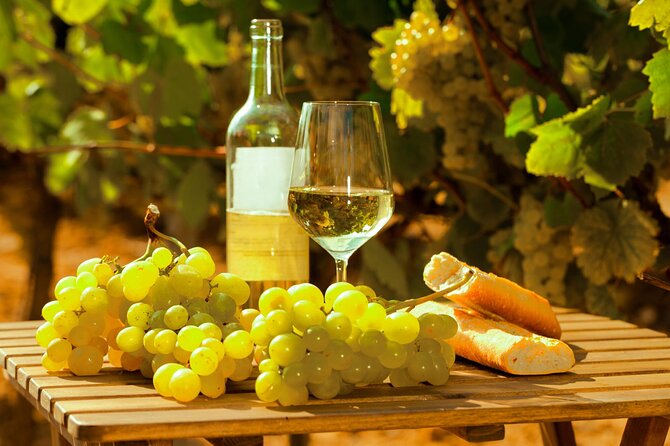
Switzerland isn’t just about chocolate, cheese, and watches; its wines deserve attention too. Though relatively small in scale, the quality is stellar. One great resource for discovering them is cavesa.ch.
It’s a hub for enthusiasts, offering access to some of the best selections in the market. Whether you’re curious about white varieties or prefer reds, they’ll point you in the right direction.
Why Are Swiss Wines Special?
Switzerland’s wine scene thrives on diversity, both in its geography and its varieties. The country’s unique location between alpine peaks and Mediterranean-like valleys creates ideal conditions for grape growing. Small-scale production keeps the focus on quality rather than quantity.
Unique Features:
- Terraced Vineyards: Many are perched on steep slopes, making harvesting a labor-intensive, manual process.
- Microclimates: Specific areas have their own climate influences, shaping the character of each grape.
- Traditional Grapes: While global varieties exist, local ones like Chasselas shine in Swiss vineyards.
Top Wine Regions You Need to Know
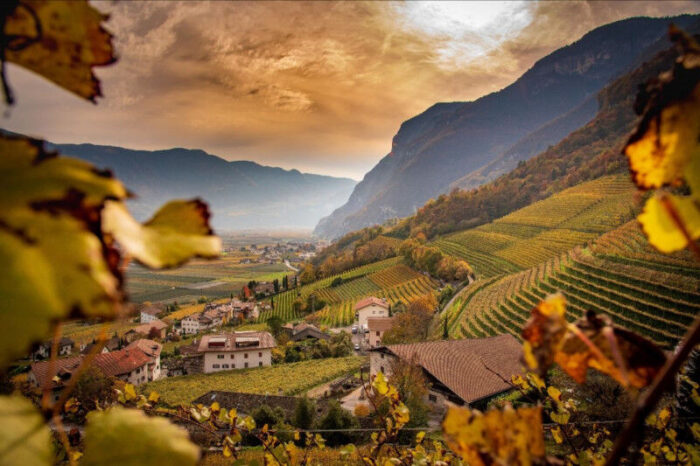
Switzerland has six main production areas, each with its specialties. Instead of overwhelming you with technical terms, here’s a friendly breakdown:
1. Valais
Known for its sun-kissed vineyards, Valais is home to several unique varieties. Fendant, made from Chasselas, dominates the whites, while Cornalin is the region’s pride in reds.
2. Vaud
Think rolling hills and the reflection of sunlight off Lake Geneva. Vaud specializes in white wines with a crisp and mineral profile. Lavaux’s terraced vineyards here are UNESCO-protected.
3. Geneva
A relatively smaller player, Geneva offers both reds and whites. Gamay is the standout red grape, perfect for lighter, fruity styles.
4. Ticino
This Italian-speaking corner of the country leans into Merlot, creating elegant reds that age beautifully.
5. Neuchâtel
Here, you’ll find Oeil-de-Perdrix, a pale rosé with a delicate aroma. Neuchâtel’s whites are also refreshing, thanks to the cooler climate.
6. Three Lakes Region
Ideal for Pinot Noir lovers, this area also excels in producing balanced Chasselas wines.
What Are the Must-Try Swiss Wine Varieties?
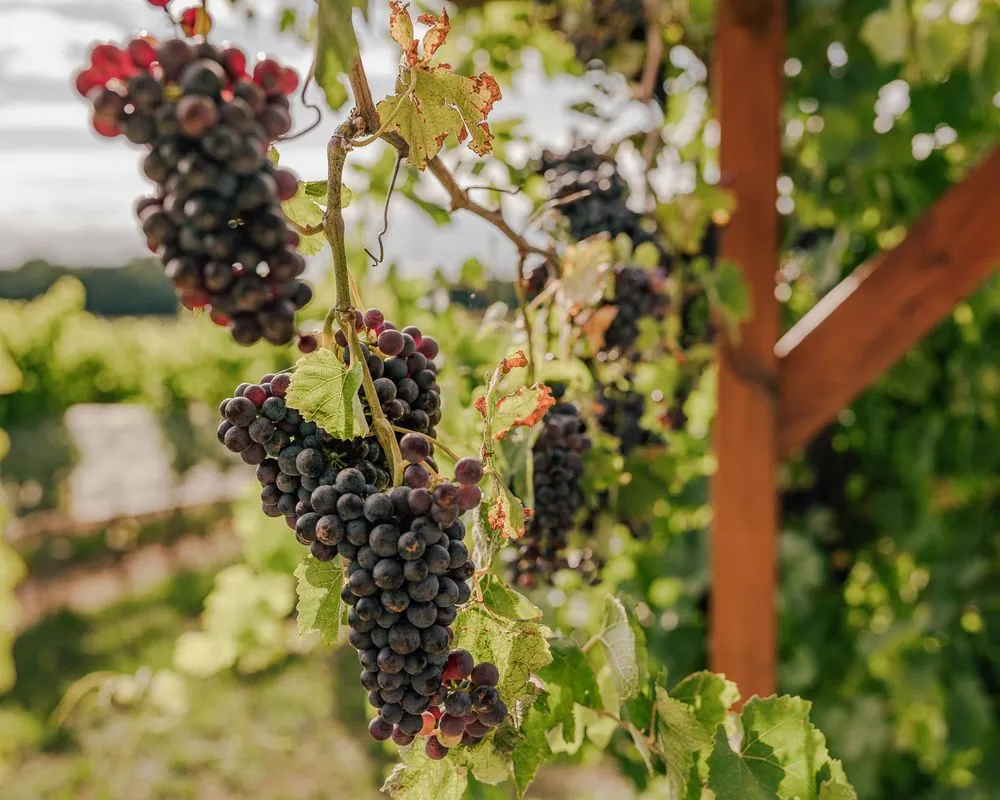
Swiss wine varieties showcase an exciting mix of traditional and international influences. Below are some highlights:
White Varieties:
- Chasselas: Known for its subtlety and mineral-driven taste, often paired with cheese fondue.
- Petite Arvine: Offers a refreshing profile with citrus and floral notes.
- Heida (Païen): Similar to Sauvignon Blanc, with tropical fruit flavors.
Red Varieties:
- Pinot Noir: A versatile red grape found in many Swiss regions.
- Gamay: Known for its light, fruity reds, perfect for easy drinking.
- Cornalin: Deep and full-bodied, with a bold character.
How Geography Shapes the Wines
Switzerland’s varied terrain plays a massive role in grape cultivation. Alpine winds and lake reflections moderate temperatures, ensuring balanced ripening. Each vineyard seems to exist in its own little bubble of perfection.
Key Factors at Play:
- Altitude controls temperature swings, enhancing acidity in grapes.
- Soil variety (limestone, granite, and clay) adds complexity to flavors.
- Proximity to water bodies moderates harsh winters.
Tips for First-Time Tasters
Getting into Swiss wines can feel like a secret club, but it’s more welcoming than it seems. Here are five quick tips:
- Start with Chasselas if you love whites; it’s light and easy on the palate.
- Explore Cornalin or Pinot Noir for reds with character.
- Pair wines with traditional Swiss dishes for the full experience.
- Visit local vineyards or attend tastings for hands-on learning.
- Keep an open mind—some of the best discoveries come from unfamiliar labels.
Where to Experience Swiss Wines in Person
The best way to understand the country’s wines is by visiting its vineyards. Many wineries offer tours, tastings, and events. Look for wine festivals in Valais or Vaud during harvest season, where locals and visitors celebrate the year’s production.
Popular Destinations:
- Lavaux’s terraced vineyards offer breathtaking views and fantastic tastings.
- Ticino’s wineries combine Italian flair with Swiss precision.
- Neuchâtel’s vineyards offer smaller-scale charm, perfect for intimate experiences.
Food Pairings That Work Like Magic

Swiss wines, thanks to their versatility, pair wonderfully with a wide range of dishes. Below are a few combinations that will elevate your meals:
White Wines:
- Chasselas: Perfect with fondue, raclette, or light fish dishes.
- Petite Arvine: Pairs well with shellfish or citrus-infused dishes.
Red Wines:
- Pinot Noir: Complements roasted poultry and soft cheeses.
- Merlot: A great match for red meat or rich pasta sauces.
Swiss Wine Myths You Should Forget
Some people think Swiss wines are hard to find or too expensive. While production is indeed small, online stores and specialty shops, make it easier to explore them. Prices reflect the craftsmanship and care involved, but there are affordable options too.
Why Small-Scale Production Matters
Switzerland’s wine output focuses on quality, not volume. Unlike mass-produced labels, these wines often come from family-run vineyards where every detail counts. Small-scale production also fosters innovation, with winemakers experimenting with new techniques to enhance flavor and structure.
Sustainability
Many Swiss winemakers prioritize eco-friendly practices. Whether it’s organic farming or biodynamic approaches, the goal is to respect nature and ensure long-term viability. This focus on sustainability adds another layer of appreciation for the wines.
Final Words

Exploring Swiss wines is about more than just drinking. It’s a chance to connect with a rich tradition and discover hidden gems that offer unmatched flavor and character. Whether you’re savoring a crisp white by the lake or enjoying a bold red on a chilly evening, there’s always something to savor.
Start your journey today. Browse a trusted selections or plan a visit to one of Switzerland’s stunning vineyards. Every sip brings you closer to understanding why these wines are truly one of a kind.
Alexandra Fender
Read More