

Space Elevator is an intriguing website that lets you make a myriad of discoveries as you travel up from Earth’s surface.
Built by creative coder Neal Agarwal, the Space Elevator has a gorgeous, fun design that requires you to do only one thing: scroll up.
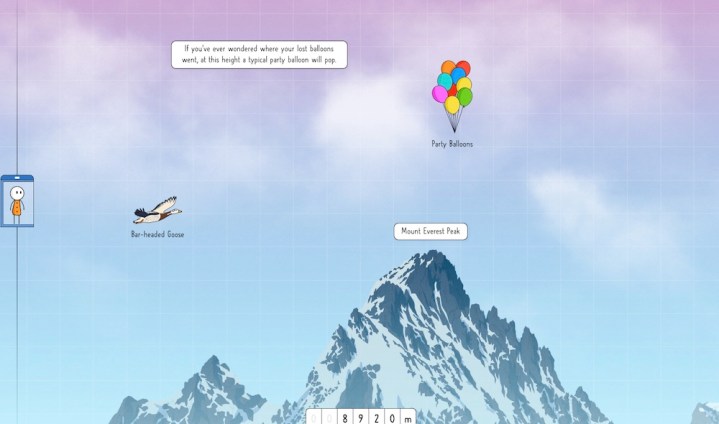
As you head toward the heavens, you’ll discover how the atmosphere gradually changes, and how this affects the wildlife and the kind of aircraft you might see.
An altimeter at the bottom of the page lets you see how far you’ve climbed, while a gauge at the top right lets you keep an eye on the changing temperature. And if you thought it simply becomes colder the higher you go, then be sure to keep one eye on the temperature as you head skyward.
Also, don’t be alarmed to find various wingless animals, such as the wild yak, apparently floating in midair, as Space Elevator is actually telling us the highest point that you’ll find these different creatures on the world’s mountains.
Space Elevator also has a music button too — you’ll find it beside the temperature display — so you can enjoy a soothing soundtrack as you head toward space.
Agarwal has been creating an array of fun and educational tools for a while now. He’s the guy responsible for Asteroid Launcher, which Digital Trends reported on at the end of last year.
Asteroid Launcher lets you launch an asteroid at Earth to see how much damage it’d cause if it was actually real. You can even select the asteroid’s size and composition, its speed and impact angle, and the precise spot where it strikes Earth.
Keen to make the tool as accurate as possible, Agarwal used data from scientific papers and built it into Asteroid Launcher‘s software.
The coder’s website also features a host of other fun offerings that you might want to try, among them Design the Next iPhone, Wonders of Street View, and The Auction Game.
Editors’ Recommendations
-
SpaceX Starship rocket launches in first test flight, but explodes in midair -
SpaceX launches a different kind of Starship -
SpaceX scrubs launch of world’s most powerful rocket due to valve issue -
How to watch SpaceX launch mighty Falcon Heavy on sixth mission -
Elon Musk says SpaceX now eyeing late April for first Starship flight

Not so many moons ago, Trevor moved from one tea-loving island nation that drives on the left (Britain) to another (Japan). As far as electronics are concerned, he’s in the right place, with the East Asian country continuing to produce a plethora of gadgets and gizmos for tech addicts around the world. When not writing for Digital Trends, Trevor can be found out and about taking far too many photos, or in front of his computer trying to sort them all out.
How NASA’s astronaut class of 1978 changed the face of space exploration

When you look back on the long history of crewed spaceflight, one group stands out for its radical challenge to the conventional wisdom of who could become an astronaut. NASA’s astronaut class of 1978 saw not only its first women and people of color working as astronauts such as Sally Ride and Guy Bluford, but also the first Asian American astronaut, El Onizuka, the first Jewish American astronaut, Judy Resnik, and the first LGBT astronaut, once again Sally Ride.
A new book, The New Guys: The Historic Class of Astronauts That Broke Barriers and Changed the Face of Space Travel, chronicles the story of this class and its impact on both NASA and the wider world’s perceptions of who could be an astronaut. We spoke to the author, Meredith Bagby, about this remarkable group of people and how they changed the face of human spaceflight.
Breaking the mold
Throughout the 50s and 60s, NASA almost exclusively chose fighter pilots for its early human spaceflight program, Project Mercury. That meant that not only were astronaut groups like the famous Mercury Seven entirely composed of white men, but they also came from very similar military backgrounds.
OneWeb ready to take on Starlink in internet-from-space race
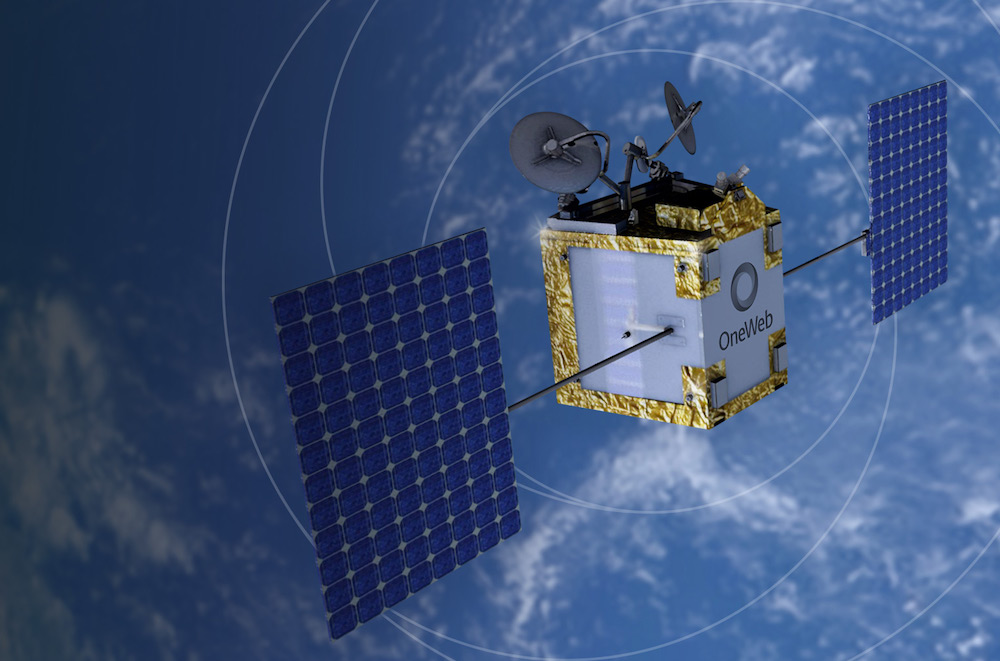
OneWeb is poised to take on SpaceX’s Starlink with its own internet-from-space service.
U.K.-based OneWeb successfully deployed another 36 satellites at the weekend and a short while later confirmed they were operating as expected.
SpaceX shares stunning ‘blue marble’ footage of Earth
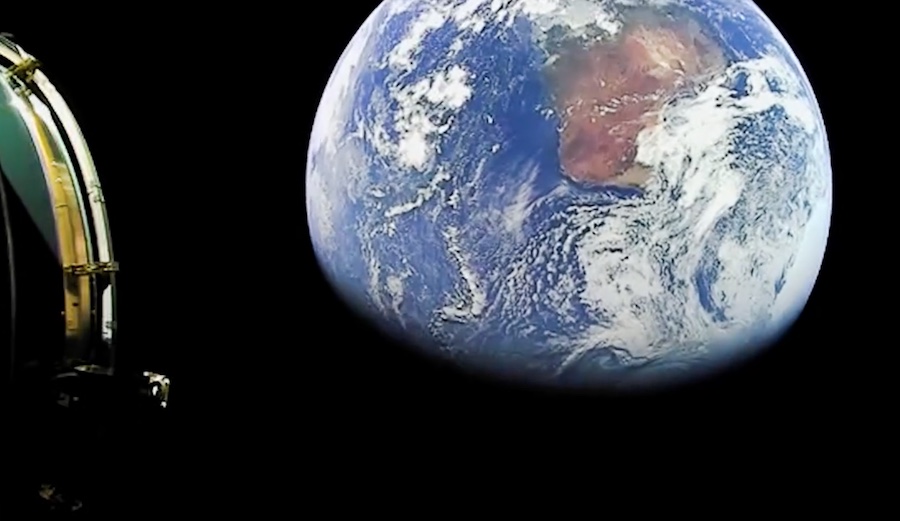
SpaceX recently shared some stunning footage captured from the second stage of its workhorse Falcon 9 rocket.
The clip (below) shows Earth from thousands of miles away, with ocean, land, and cloud all clearly visible. Most striking, however, is the planet’s marble-like appearance that brings to mind the iconic “blue marble” shot captured during the Apollo 17 mission in 1972 that gave us one of our first incredibly clear views of Earth.
Read More
Trevor Mogg