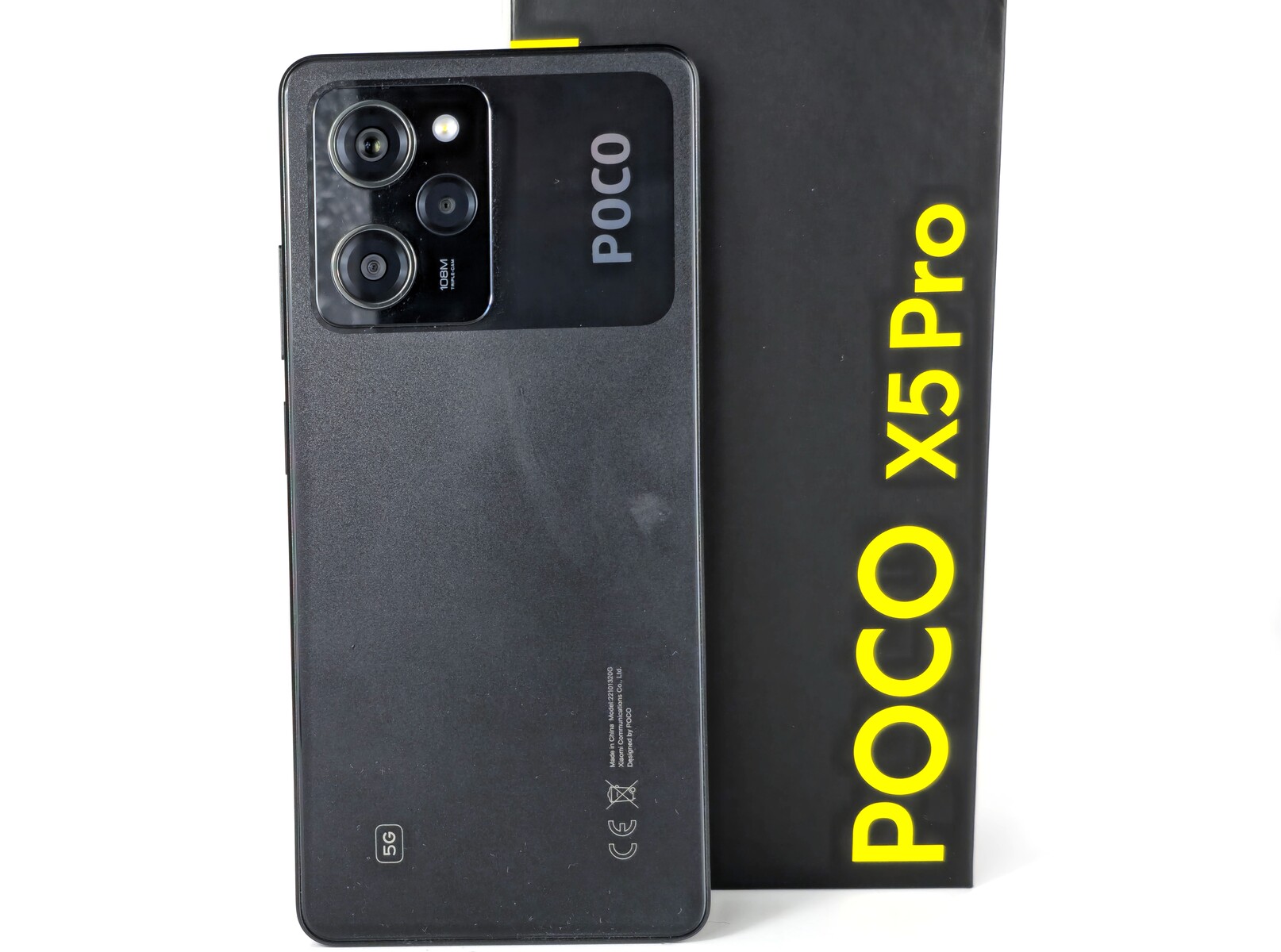
The best smartphone in its price segment? Poco advertises nothing less than that as far as it concerns the X5 Pro. With a powerful Snapdragon chipset, flexible AMOLED display, and 108-MP camera, all the signs for our test of the Poco smartphone are good. But will this be enough for a purchase recommendation for the Poco smartphone?
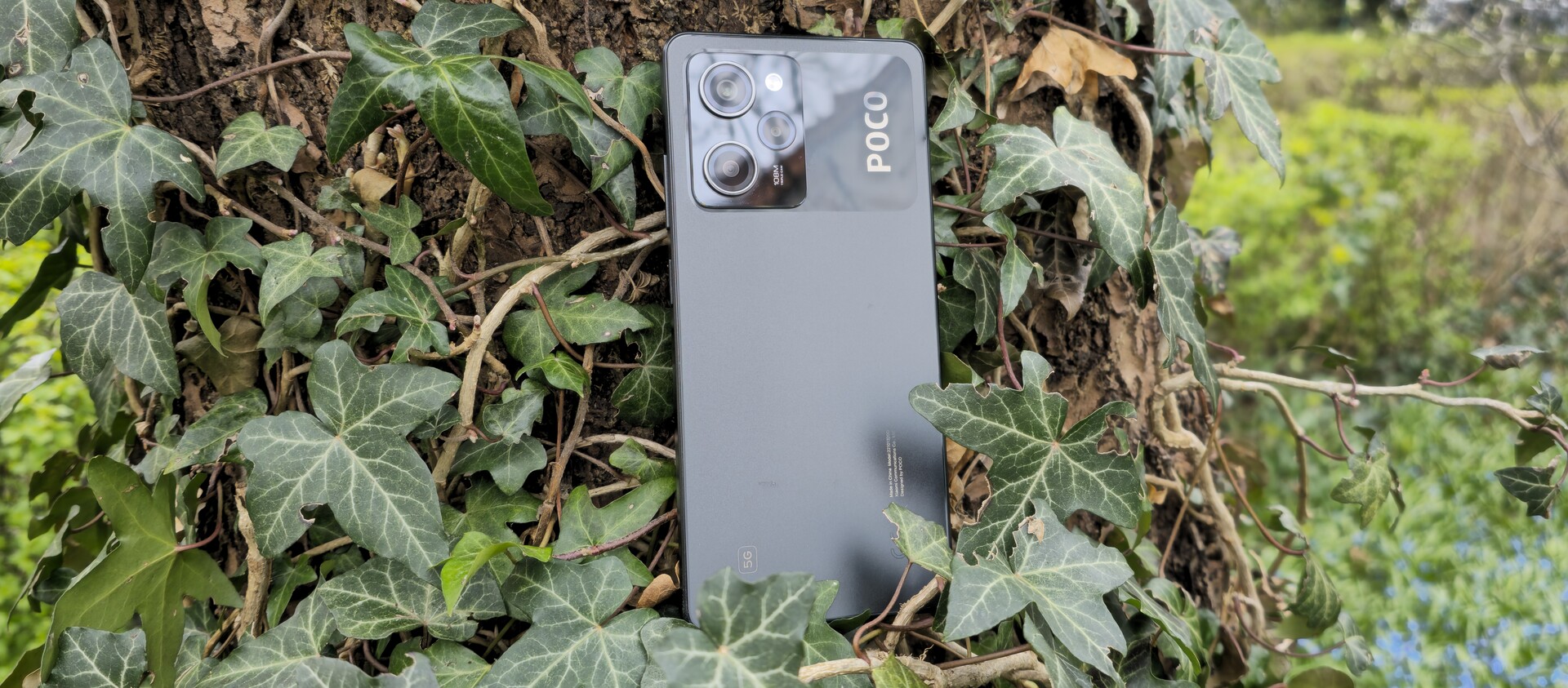
Since the Poco X5 Pro is marketed internationally as Redmi Note 12 Pro Speed Edition, the many similarities to its Redmi Note 12 Pro sibling model are therefore not very surprising. But also in comparison to the processor, there are not many nominal changes aside from the SoC upgrade. The Snapdragon 778G smartphone is equipped with a large and fast 6.67-inch 120 Hz AMOLED display and uses the 1/1.52 inch Samsung ISOCELL HM2 sensor as the main camera.
The MSRP of the Dolby Vision and Dolby Atmos certified Poco X5 Pro is 349.90 Euros (~$384) including 6 GB LPDDR4X RAM and 128 GB UFS 2.2 storage. The top version with 8 GB + 256 GB is offered for an MSRP of 399.90 € (~$439), although the prices have already dropped significantly below the 300-Euro mark (~$329) in some cases at the time of our test.
Display
6.67 inch 20:9, 2400 x 1080 pixel 395 PPI, capacitive touchscreen, AMOLED, glossy: yes, HDR, 120 Hz
Storage
256 GB UFS 2.2 Flash, 256 GB
, 225 GB free
Connections
1 USB 2.0, USB-C Power Delivery (PD), Audio Connections: 3.5 mm audio port, 1 Fingerprint Reader, NFC, Brightness Sensor, Sensors: accelerometer, gyroscope, proximity sensor, compass, OTG, Miracast, IR Blaster
Networking
802.11 a/b/g/n/ac/ax (a/b/g/n = Wi-Fi 4/ac = Wi-Fi 5/ax = Wi-Fi 6/), Bluetooth 5.2, 5G: n1/3/5/7/8/20/28/38/40/41/77/78; 4G: 1/2/3/4/5/7/8/20/28/66(60 MHz), 38/40/41; 3G: 1/2/4/5/8; 2G: 850/900/1.800/1.900 MHz, Dual SIM, LTE, 5G, GPS
Size
height x width x depth (in mm): 7.9 x 162.91 x 76.03 ( = 0.31 x 6.41 x 2.99 in)
Battery
5000 mAh Lithium-Polymer
Charging
fast charging / Quickcharge
Operating System
Android 12
Camera
Primary Camera: 108 MPix (f/1.9, 1/1.52″, 0.7µm) + 8 MP (f/2.2, 1/4″, 1.12µm) + 2 MP (f/2.4, macro)
Secondary Camera: 16 MPix (f/2.4, 1/3.06″ 1.0µm)
Additional features
Speakers: stereo, Keyboard: onscreen, case, USB cable, charger, info material , MIUI 14, 12 Months Warranty, SAR value: 0.99W/kg head, 0.99W/kg body, Widevine L1, fanless
Weight
181 g ( = 6.38 oz / 0.4 pounds), Power Supply: 131 g ( = 4.62 oz / 0.29 pounds)
Note: The manufacturer may use components from different suppliers including display panels, drives or memory sticks with similar specifications.
Rating | Date | Model | Weight | Drive | Size | Resolution | Best Price |
|---|---|---|---|---|---|---|---|
| 85.4 % | 04/2023 | Xiaomi Poco X5 Pro SD 778G 5G, Adreno 642L | 181 g | 256 GB UFS 2.2 Flash | 6.67″ | 2400×1080 | |
| 82.5 % | 07/2022 | Xiaomi Poco X4 Pro SD 695 5G, Adreno 619 | 205 g | 128 GB UFS 2.2 Flash | 6.67″ | 2400×1080 | |
| 85.4 % | 02/2023 | Xiaomi Redmi Note 12 Pro 5G Dimensity 1080, Mali-G68 MP4 | 187 g | 128 GB UFS 2.2 Flash | 6.67″ | 2400×1080 | |
| 83.6 % | 10/2022 | Motorola Edge 30 Neo SD 695 5G, Adreno 619 | 155 g | 128 GB UFS 2.2 Flash | 6.30″ | 2400×1080 | |
| 83.4 % | 06/2022 | Samsung Galaxy A53 Exynos 1280, Mali-G68 MP4 | 189 g | 128 GB UFS 2.1 Flash | 6.50″ | 2400×1080 |
The Poco X5 Pro is available in three colors: black, blue, and yellow. While the plastic back is matted, the large camera module keeps its dark gloss, causing fingerprints to collect quickly in this area. The quality of the workmanship and haptics is at a solid level for a midrange smartphone, but a Redmi Note 12 Pro with its glass back exudes a bit more quality.
Barely weighing 181 grams (~6.4 oz), not only is the midrange smartphone lighter than its predecessor, but with a case thickness of less than 8 mm (~0.3 in), it is also slimmer. This is made possible by the P-OLED materials of the Flow Display technology. Instead of layering the OLED components inside glass, the display components of the X5 Pro display are completely made of plastic. This allows for a more flexible OLED display, so it can also be made thinner.
The front of the Poco smartphone consists of scratchproof Gorilla Glass 5 that transitions evenly into the metal frame. The ratio between the display and case front is a good 87%. As its predecessor, the Poco X5 Pro also includes an IP certification according to IP53, offering splash water protection.
With Bluetooth 5.2, stereo speakers, an IR blaster, and NFC for contactless payments, as well as a 3.5 mm audio port, the X5 Pro offers a well-rounded equipment package for the midrange. Our test unit includes 256 GB of UFS 2.2 storage, but the actually available storage space is smaller at 224 GB, due to the operating system and several preinstalled apps. Those who need additional space for videos or photos can store them on external storage media such as USB sticks via USB OTG. The current X Pro series doesn’t allow you to expand the storage space by using a micoSD card.
Like that of the Redmi Note 12 Pro, the USB-C connection of the sibling model from Poco only supports the 2.0 specification, which means that you cannot use it for wired image output with the midrange smartphone. In our copy test with a connected M2 SSD drive (Samsung 980 Pro), the transfer speed of the USB port is a low 32 MB/s. On the other hand, you can use wireless transfer of the display contents to external monitors via Miracast and watch video content from streaming services in HD quality thanks to Widevine L1.
Xiaomi combines the Android operating system with its inhouse MIUI user interface for Poco version 14. At the time of our test, the X5 Pro uses only Android 12 with the security patches from January 2023. Unfortunately, our questions to Poco Germany on the period of guaranteed upgrades remained unanswered. The Note 12 Pro sibling model is supposed to receive two large Android updates, and we can assume a similar support for the Poco smartphone. However, you should keep in mind that you already need one major OS upgrade to update the X5 Pro to the current Android 13, so that the next Android generation (Android 14) will probably be the end of the line for the X5 Pro.
In our view, the Chinese manufacturer unfortunately saves on expenses in the wrong place here, with Samsung, for example, showing that things can also be done better in the midrange in terms of software maintenance. A Galaxy A34 receives four major updates and five years of software support. You probably cannot expect more than three years of security updates as in the predecessor for the Poco X5 Pro.
The integrated WLAN module of the X5 Pro supports Wi-Fi 6 and the protocols according to the IEEE 802.11 a/b/g/n/ac/ax standards. In combination with our Asus ROG Rapture GT-AXE11000 reference router, the Poco achieves transfer rates of almost 1,000 Mbit/s when sending, which is very good in the midrange. Compared to the Wi-Fi 5 smartphones such as the Samsung Galaxy A53, this turns out twice as high.
On the other hand, you have to accept some small compromises when using the mobile Internet. Even though the X5 Pro gives access to the 5G net, the built-in Snapdragon X53 modem only covers 13 LTE frequencies. For comparison, the Note 12 Pro sibling model can access 20 bands. With this, using the Poco smartphone when traveling can become problematic due to the limited frequency coverage.
| Networking | |
| iperf3 receive AXE11000 | |
| Xiaomi Redmi Note 12 Pro 5G Mali-G68 MP4, Dimensity 1080, 128 GB UFS 2.2 Flash |
|
| Xiaomi Poco X5 Pro Adreno 642L, SD 778G 5G, 256 GB UFS 2.2 Flash |
|
| Average of class Smartphone (34.8 – 1787, n=149, last 2 years) |
|
| Samsung Galaxy A53 Mali-G68 MP4, Exynos 1280, 128 GB UFS 2.1 Flash |
|
| Motorola Edge 30 Neo Adreno 619, SD 695 5G, 128 GB UFS 2.2 Flash |
|
| Xiaomi Poco X4 Pro Adreno 619, SD 695 5G, 128 GB UFS 2.2 Flash |
|
| iperf3 transmit AXE11000 | |
| Xiaomi Redmi Note 12 Pro 5G Mali-G68 MP4, Dimensity 1080, 128 GB UFS 2.2 Flash |
|
| Xiaomi Poco X5 Pro Adreno 642L, SD 778G 5G, 256 GB UFS 2.2 Flash |
|
| Average of class Smartphone (11.6 – 1810, n=150, last 2 years) |
|
| Motorola Edge 30 Neo Adreno 619, SD 695 5G, 128 GB UFS 2.2 Flash |
|
| Xiaomi Poco X4 Pro Adreno 619, SD 695 5G, 128 GB UFS 2.2 Flash |
|
| Samsung Galaxy A53 Mali-G68 MP4, Exynos 1280, 128 GB UFS 2.1 Flash |
|
Xiaomi Poco X5 Pro Qualcomm Snapdragon 778G 5G, Qualcomm Adreno 642L; iperf3 receive AXE11000; iperf 3.1.3: Ø804 (686-905)
Xiaomi Poco X4 Pro Qualcomm Snapdragon 695 5G, Qualcomm Adreno 619; iperf3 receive AXE11000; iperf 3.1.3: Ø321 (124-352)
Xiaomi Poco X5 Pro Qualcomm Snapdragon 778G 5G, Qualcomm Adreno 642L; iperf3 transmit AXE11000; iperf 3.1.3: Ø960 (487-997)
Xiaomi Poco X4 Pro Qualcomm Snapdragon 695 5G, Qualcomm Adreno 619; iperf3 transmit AXE11000; iperf 3.1.3: Ø349 (317-362)
The Poco X5 Pro determines its location via the main GPS, Galileo, GLONASS, and Beidou satellite systems but only in the single band. On the other hand, the signal strength is fairly high even indoors at an SNR value of more than 30, and the locating accuracy is also very high at 3 meters.
In order to evaluate the locating accuracy of the midrange smartphone in practice, we record a route in parallel with the Garmin Venu 2 for comparison. Even though we see some deviations in the recorded route details of the Poco smartphone, the route is often identical to that recorded by the Gamin smartwatch. At the end of the 10-km (~6.2 miles) test route, the difference between the recordings from the two devices is only 50 meters (~164 ft). The X5 Pro is therefore very well suited for everyday navigation tasks.
The Poco X5 Pro supports dual-SIM 5G with two Nano-SIM cards as well as the VoLTE standards and WLAN calls, but not an eSIM. The voice quality is very satisfactory, and voices are reproduced clearly. Our conversation partners describe the quality of the voice recordings with the X5 Pro with its two microphones as very clear. During a video conference using the stereo speakers, the voices are also clearly understandable and sufficiently loud.
The main camera of the X5 Pro is based on an “old acquaintance,” the Samsung HM2, which has already been used in the X4 Pro. The 108-MP main camera (f/1.9) records 12-MP pictures via 9-in-1 pixel binning but still doesn’t offer optical image stabilization, causing pictures to become blurry fairly quickly, particularly in the dark.
With a lot of light, the pictures impress with a very beautiful image sharpness and many details. We also like the dynamic of the pictures. However, colors are reproduced very bright with the Poco X5 Pro, appearing slightly unnatural particularly with green color tones such as in the meadow in our comparison pictures. Under low-light conditions, the Poco smartphone also quickly reaches its limits. On one hand, with its large open aperture, the pictures appear less dark than those of a Pixel 6a, and the noise level is also fairly low. On the other hand, the contours of the objects look very soft.
The ultrawide angle lens with a relatively narrow viewing angle of 120 degrees produces a decent image quality for this price range, but the 8-MP pictures aren’t really that enjoyable. The pictures show many irregularities and only offer a solid sharpness in the center of the image. Since there wasn’t any space for a telephoto lens left in the X5 Pro, enlargements are solely created digitally, and the results are correspondingly weak.
In contrast to that of the X4 Pro, the video performance gives no larger reasons for complaint. Finally, the Poco midrange is also able to record videos in UHD resolution. If you want 60 fps, you can only use 1080p. The electronic stabilization of the 108-MP camera is decent, and in daylight conditions, movements are recorded solidly.
Image Comparison
Choose a scene and navigate within the first image. One click changes the position on touchscreens. One click on the zoomed-in image opens the original in a new window. The first image shows the scaled photograph of the test device.
WeitwinkelWeitwinkelLow LightUltraweitwinkelZoom 5x

click to load images
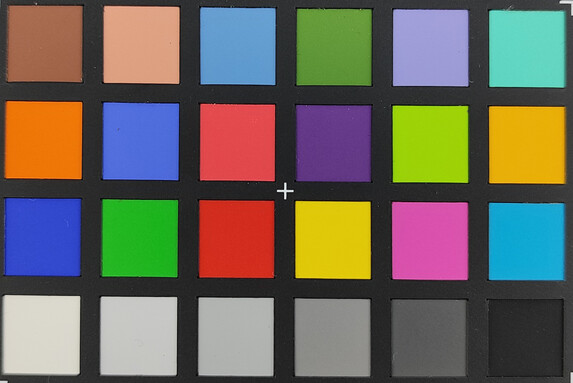
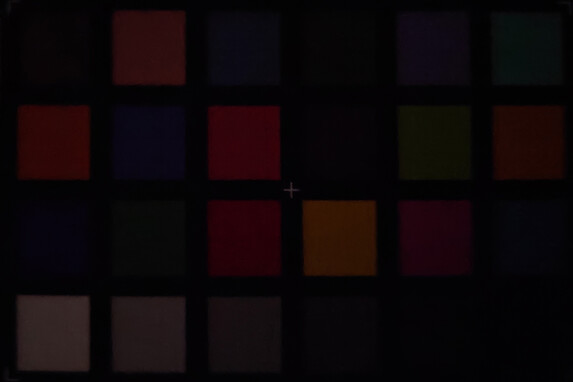
We analyze the color reproduction of the Samsung HM2 sensor under controlled light conditions compared to the actual reference colors. In addition to the smartphone-typical brightening, the X5 Pro shows large deviations in the green color tones of the ColorChecker passport, which isn’t much of a surprise considering the saturated comparison photos. However, the Poco smartphone shows only few color deviation outliers (>10) overall.
13.2 ∆E
5.9 ∆E
12.5 ∆E
17.5 ∆E
9.8 ∆E
6.6 ∆E
5.5 ∆E
9.5 ∆E
8.3 ∆E
6.6 ∆E
6.9 ∆E
5.4 ∆E
8.5 ∆E
12.7 ∆E
10.9 ∆E
2.3 ∆E
6.7 ∆E
12.4 ∆E
8.2 ∆E
2.5 ∆E
5.7 ∆E
7.8 ∆E
2.6 ∆E
2.8 ∆E
28.6 ∆E
49.8 ∆E
38 ∆E
34.8 ∆E
42.8 ∆E
60.3 ∆E
49.6 ∆E
33 ∆E
34.5 ∆E
28 ∆E
62.1 ∆E
62.9 ∆E
29.1 ∆E
47.2 ∆E
30 ∆E
73 ∆E
39.6 ∆E
42.9 ∆E
75 ∆E
68.2 ∆E
50.7 ∆E
36.5 ∆E
23.9 ∆E
13.5 ∆E
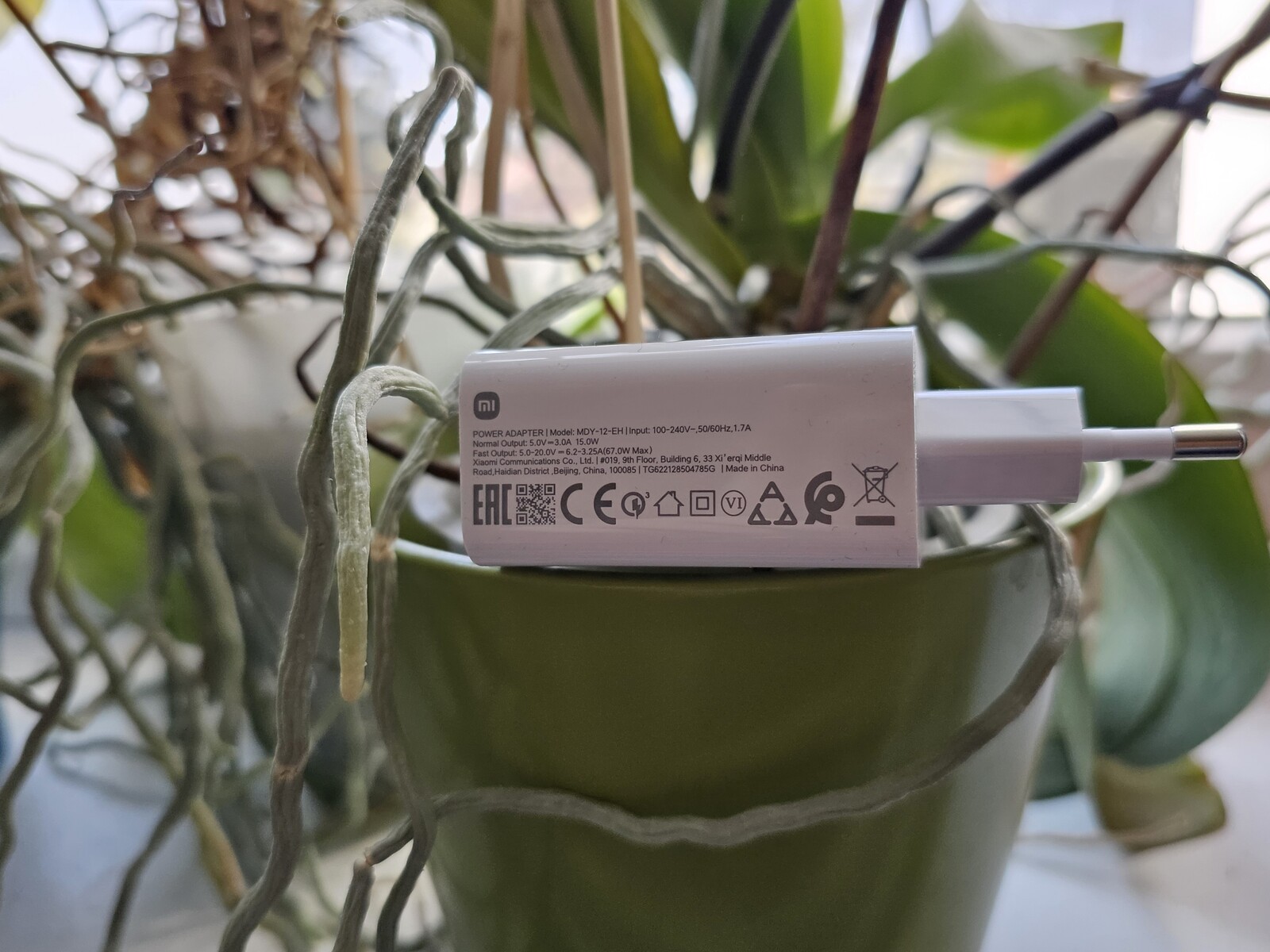
The box of the midrange smartphone includes a modular 67-Watt charger, a data and charging cable, a protective case, a SIM tool, and quick start instructions together with warranty information. The manufacturer doesn’t offer any particular accessories for the X5 Pro in its online shop.
Xiaomi offers a 12-month warranty for its smartphone in Germany.
The inputs on the large 6.67-inch Flow AMOLED dot display with a 240-Hz scan rate are implemented quickly and accurately up to the corners of the touchscreen. Xiaomi also equips its smartphone midrange with an attractive vibration motor that offers very accurate haptic feedback in everyday operation.
The active fingerprint sensor in the on/off button is easy to reach and unlocks the X5 Pro very reliably and also fairly quickly. There is also the less secure 2D face recognition, which is based on a face unlock function via the front camera. In daylight conditions, this works similarly speedily.

The 6.67-inch AMOLED display of the Poco X5 Pro has a 2,400 x 1,080 pixel resolution and supports a maximum refresh rate up to 120 Hz. Those who want to conserve some battery life can also use the display in automatic mode. A refresh rate of 60 and 120 Hz is used here, which is also implemented well during our test.
In our brightness measurements, the OLED panel reaches 770 cd/m² on average with a full-area white display, which is satisfactory for this price class but less than in the Redmi Note 12 Pro. In the APL18 measurement that is more representative of everyday operation, it reaches 774 cd/m² in the image center.
Because of the OLED panel, PWM technology together with its display flickering is used to control the display brightness. We measure a constant 120 Hz with an even amplitude. However, the manufacturer speaks of a very high PWM frequency of 1920 Hz, which would be much more comfortable particularly for more sensitive users. In the end, we are unable to determine whether the difference here is due to our measurement equipment or such a mode that would be similar to automatic DC dimming was simply not active.
| 769 cd/m² | 776 cd/m² | 795 cd/m² | ||
| 768 cd/m² | 770 cd/m² | 795 cd/m² | ||
| 769 cd/m² | 771 cd/m² | 792 cd/m² | ||
Distribution of brightness
X-Rite i1Pro 3
Maximum: 795 cd/m² (Nits) Average: 778.3 cd/m² Minimum: 2.04 cd/m²
Brightness Distribution: 97 %
Center on Battery: 770 cd/m²
Contrast: ∞:1 (Black: 0 cd/m²)
ΔE Color 1.6 | 0.55-29.43 Ø5.2
ΔE Greyscale 2.2 | 0.57-98 Ø5.4
99.9% sRGB (Calman 2D)
Gamma: 2.23
| Xiaomi Poco X5 Pro AMOLED, 2400×1080, 6.67 | Xiaomi Poco X4 Pro AMOLED, 2400×1080, 6.67 | Xiaomi Redmi Note 12 Pro 5G OLED, 2400×1080, 6.67 | Motorola Edge 30 Neo pOLED, 2400×1080, 6.30 | Samsung Galaxy A53 AMOLED, 2400×1080, 6.50 | |
|---|---|---|---|---|---|
| Screen | 6% | 32% | 1% | -6% | |
| Brightness middle | 770 | 687 -11% | 938 22% | 984 28% | 718 -7% |
| Brightness | 778 | 694 -11% | 939 21% | 992 28% | 730 -6% |
| Brightness Distribution | 97 | 96 -1% | 96 -1% | 98 1% | 92 -5% |
| Black Level * | |||||
| Colorchecker dE 2000 * | 1.6 | 1.2 25% | 0.9 44% | 1.6 -0% | 1.62 -1% |
| Colorchecker dE 2000 max. * | 3.3 | 4 -21% | 1.6 52% | 3.8 -15% | 4.21 -28% |
| Greyscale dE 2000 * | 2.2 | 1 55% | 1 55% | 3 -36% | 2 9% |
| Gamma | 2.23 99% | 2.16 102% | 2.25 98% | 2.14 103% | 2.156 102% |
| CCT | 6882 94% | 6496 100% | 6350 102% | 6518 100% | 6545 99% |
* … smaller is better
Screen Flickering / PWM (Pulse-Width Modulation)
ℹ
To dim the screen, some notebooks will simply cycle the backlight on and off in rapid succession – a method called Pulse Width Modulation (PWM) . This cycling frequency should ideally be undetectable to the human eye. If said frequency is too low, users with sensitive eyes may experience strain or headaches or even notice the flickering altogether.
| Screen flickering / PWM detected | 120 Hz | 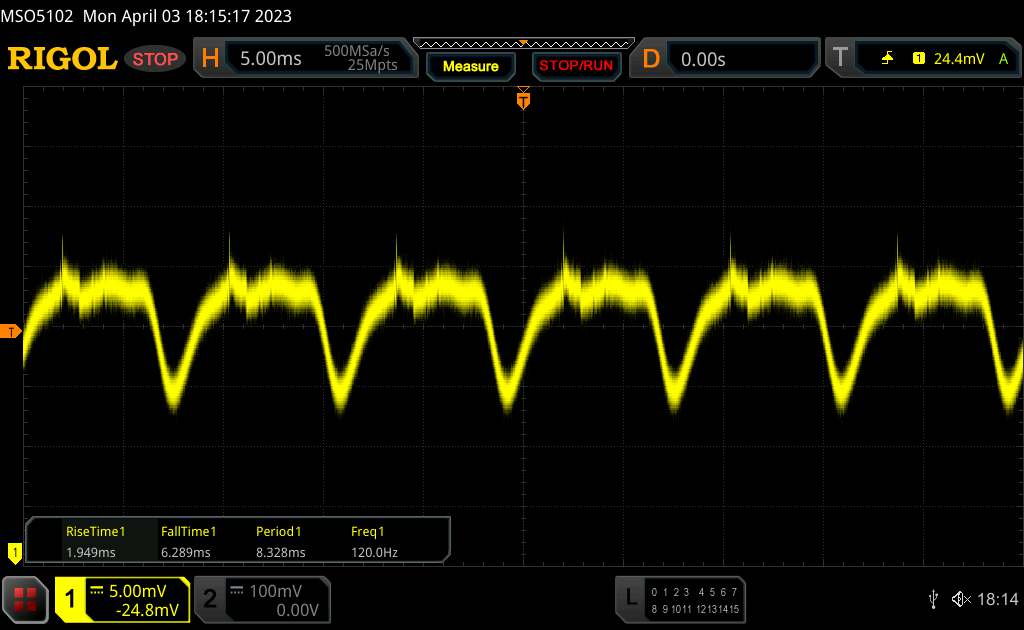 | |
The display backlight flickers at 120 Hz (Likely utilizing PWM) . The frequency of 120 Hz is very low, so the flickering may cause eyestrain and headaches after extended use. In comparison: 53 % of all tested devices do not use PWM to dim the display. If PWM was detected, an average of 19013 (minimum: 2.4 – maximum: 3846000) Hz was measured. | |||
Series of measurements at a fixed zoom level and different brightness settings
We evaluate the color calibration of the AMOLED panel using the Calman analysis software. In the default settings (Standard profile), the sRGB color space is targeted and almost covered completely. In the Vivid profile, we also determine only small deviations from the larger DCI-P3 color space. There are hardly any noticeable differences in the separate colors. The DeltaE values we measure show a very low deviation in the colors (<2). The display of the grayscale also only reveals a small deviation that remains within the target range (<3).
Like the Xiaomi high end, the Poco X5 Pro offers three color profiles and also an “Adjusted” mode where you can adjust the color temperature as well as single parameters such as the saturation or color space.
Display Response Times
ℹ
Display response times show how fast the screen is able to change from one color to the next. Slow response times can lead to afterimages and can cause moving objects to appear blurry (ghosting). Gamers of fast-paced 3D titles should pay special attention to fast response times.
| ↔ Response Time Black to White | ||
|---|---|---|
| 1.32 ms … rise ↗ and fall ↘ combined | ↗ 0.6325 ms rise | 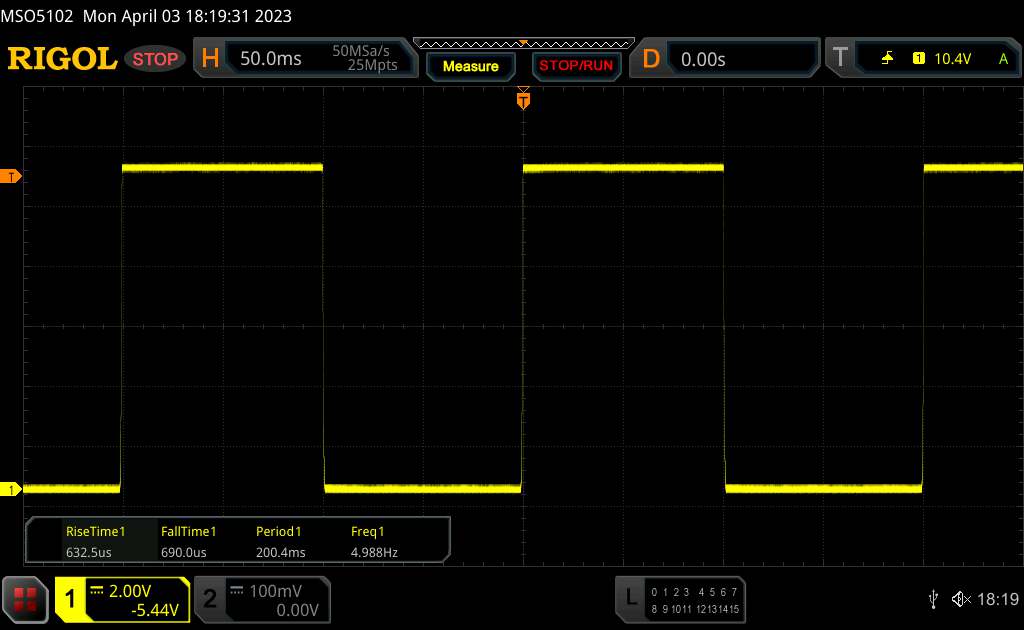 |
| ↘ 0.69 ms fall | ||
| The screen shows very fast response rates in our tests and should be very well suited for fast-paced gaming. In comparison, all tested devices range from 0.4 (minimum) to 240 (maximum) ms. » 2 % of all devices are better. This means that the measured response time is better than the average of all tested devices (22.5 ms). | ||
| ↔ Response Time 50% Grey to 80% Grey | ||
| 1.57 ms … rise ↗ and fall ↘ combined | ↗ 0.7425 ms rise | 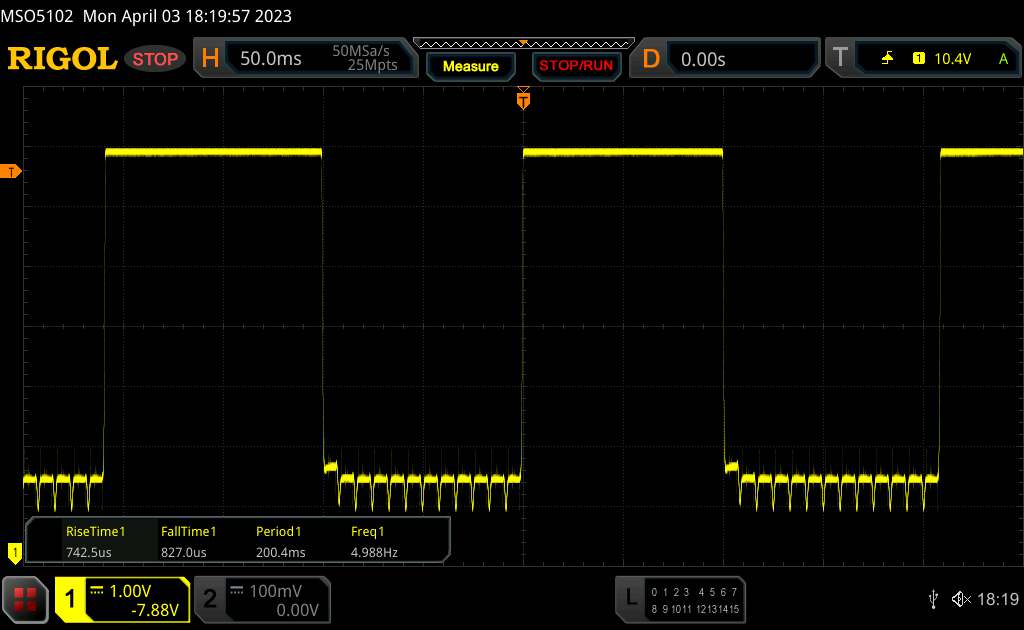 |
| ↘ 0.827 ms fall | ||
| The screen shows very fast response rates in our tests and should be very well suited for fast-paced gaming. In comparison, all tested devices range from 0.25 (minimum) to 636 (maximum) ms. » 2 % of all devices are better. This means that the measured response time is better than the average of all tested devices (35.5 ms). | ||
The midrange smartphone proves itself to be well-equipped for outdoor use, even if the reflections can be annoying. Due to the high brightness and powerful contrast, the contents remain sufficiently readable even in direct sunlight. You should keep in mind, however, that the maximum brightness without activated brightness sensor is only 494 cd/m².
The viewing angle stability is very good, but there is a noticeable loss in brightness from very steep viewing angles. While you can hardly see any changes in the colors, the display then looks slightly cooler.

In the Poco X5 Pro, a Snapdragon 778G integrates eight cores arranged in two clusters and the Adreno 642L graphics unit. Thanks to the inhouse RAM expansion technology, up to 5 GB of available ROM storage can be converted into virtual working memory, allowing you to expand the internal RAM up to a maximum of 13 GB in this way.
In our CPU benchmark package, the Poco smartphone places slightly ahead of the Note 12 Pro sibling model, which uses the Mediatek Dimensity 1080. Particularly in the multi score of Geekbench, the Snapdragon 778G should be considered more powerful due to the additional ARM Cortex A78 cores. Overall, the results are significantly above the performance level of the predecessor.
| Geekbench 5.4 | |
| Single-Core | |
| Average of class Smartphone (119 – 1885, n=257, last 2 years) |
|
| Xiaomi Poco X5 Pro Qualcomm Snapdragon 778G 5G, Adreno 642L, 8192 |
|
| Average Qualcomm Snapdragon 778G 5G (765 – 791, n=11) |
|
| Xiaomi Redmi Note 12 Pro 5G MediaTek Dimensity 1080, Mali-G68 MP4, 8192 |
|
| Samsung Galaxy A53 Samsung Exynos 1280, Mali-G68 MP4, 6144 |
|
| Xiaomi Poco X4 Pro Qualcomm Snapdragon 695 5G, Adreno 619, 6144 |
|
| Motorola Edge 30 Neo Qualcomm Snapdragon 695 5G, Adreno 619, 8192 |
|
| Multi-Core | |
| Xiaomi Poco X5 Pro Qualcomm Snapdragon 778G 5G, Adreno 642L, 8192 |
|
| Average Qualcomm Snapdragon 778G 5G (2785 – 3000, n=11) |
|
| Average of class Smartphone (472 – 5538, n=257, last 2 years) |
|
| Xiaomi Poco X4 Pro Qualcomm Snapdragon 695 5G, Adreno 619, 6144 |
|
| Xiaomi Redmi Note 12 Pro 5G MediaTek Dimensity 1080, Mali-G68 MP4, 8192 |
|
| Motorola Edge 30 Neo Qualcomm Snapdragon 695 5G, Adreno 619, 8192 |
|
| Samsung Galaxy A53 Samsung Exynos 1280, Mali-G68 MP4, 6144 |
|
| Geekbench 6 | |
| Single-Core | |
| Average of class Smartphone (188 – 2531, n=28, last 2 years) |
|
| Xiaomi Poco X5 Pro Qualcomm Snapdragon 778G 5G, Adreno 642L, 8192 |
|
| Average Qualcomm Snapdragon 778G 5G |
|
| Xiaomi Redmi Note 12 Pro 5G MediaTek Dimensity 1080, Mali-G68 MP4, 8192 |
|
| Multi-Core | |
| Average of class Smartphone (512 – 6460, n=28, last 2 years) |
|
| Xiaomi Poco X5 Pro Qualcomm Snapdragon 778G 5G, Adreno 642L, 8192 |
|
| Average Qualcomm Snapdragon 778G 5G |
|
| Xiaomi Redmi Note 12 Pro 5G MediaTek Dimensity 1080, Mali-G68 MP4, 8192 |
|
| Antutu v9 – Total Score | |
| Average of class Smartphone (111952 – 1322448, n=168, last 2 years) |
|
| Xiaomi Poco X5 Pro Qualcomm Snapdragon 778G 5G, Adreno 642L, 8192 |
|
| Average Qualcomm Snapdragon 778G 5G (438254 – 540593, n=11) |
|
| Samsung Galaxy A53 Samsung Exynos 1280, Mali-G68 MP4, 6144 |
|
| Motorola Edge 30 Neo Qualcomm Snapdragon 695 5G, Adreno 619, 8192 |
|
| Xiaomi Poco X4 Pro Qualcomm Snapdragon 695 5G, Adreno 619, 6144 |
|
| Xiaomi Redmi Note 12 Pro 5G MediaTek Dimensity 1080, Mali-G68 MP4, 8192 |
|
| PCMark for Android – Work 3.0 | |
| Xiaomi Poco X5 Pro Qualcomm Snapdragon 778G 5G, Adreno 642L, 8192 |
|
| Xiaomi Redmi Note 12 Pro 5G MediaTek Dimensity 1080, Mali-G68 MP4, 8192 |
|
| Average Qualcomm Snapdragon 778G 5G (9330 – 13296, n=10) |
|
| Samsung Galaxy A53 Samsung Exynos 1280, Mali-G68 MP4, 6144 |
|
| Xiaomi Poco X4 Pro Qualcomm Snapdragon 695 5G, Adreno 619, 6144 |
|
| Average of class Smartphone (4436 – 19783, n=238, last 2 years) |
|
| Motorola Edge 30 Neo Qualcomm Snapdragon 695 5G, Adreno 619, 8192 |
|
| CrossMark – Overall | |
| Average of class Smartphone (226 – 1332, n=116, last 2 years) |
|
| Xiaomi Poco X5 Pro Qualcomm Snapdragon 778G 5G, Adreno 642L, 8192 |
|
| Xiaomi Redmi Note 12 Pro 5G MediaTek Dimensity 1080, Mali-G68 MP4, 8192 |
|
| Average Qualcomm Snapdragon 778G 5G (621 – 734, n=5) |
|
| Xiaomi Poco X4 Pro Qualcomm Snapdragon 695 5G, Adreno 619, 6144 |
|
| Samsung Galaxy A53 Samsung Exynos 1280, Mali-G68 MP4, 6144 |
|
| Motorola Edge 30 Neo Qualcomm Snapdragon 695 5G, Adreno 619, 8192 |
|
| BaseMark OS II | |
| Overall | |
| Average of class Smartphone (411 – 9585, n=168, last 2 years) |
|
| Xiaomi Poco X5 Pro Qualcomm Snapdragon 778G 5G, Adreno 642L, 8192 |
|
| Average Qualcomm Snapdragon 778G 5G (4079 – 5002, n=11) |
|
| Xiaomi Redmi Note 12 Pro 5G MediaTek Dimensity 1080, Mali-G68 MP4, 8192 |
|
| Motorola Edge 30 Neo Qualcomm Snapdragon 695 5G, Adreno 619, 8192 |
|
| Xiaomi Poco X4 Pro Qualcomm Snapdragon 695 5G, Adreno 619, 6144 |
|
| Samsung Galaxy A53 Samsung Exynos 1280, Mali-G68 MP4, 6144 |
|
| System | |
| Xiaomi Poco X5 Pro Qualcomm Snapdragon 778G 5G, Adreno 642L, 8192 |
|
| Average Qualcomm Snapdragon 778G 5G (8751 – 10816, n=11) |
|
| Average of class Smartphone (2083 – 19657, n=168, last 2 years) |
|
| Motorola Edge 30 Neo Qualcomm Snapdragon 695 5G, Adreno 619, 8192 |
|
| Xiaomi Poco X4 Pro Qualcomm Snapdragon 695 5G, Adreno 619, 6144 |
|
| Samsung Galaxy A53 Samsung Exynos 1280, Mali-G68 MP4, 6144 |
|
| Xiaomi Redmi Note 12 Pro 5G MediaTek Dimensity 1080, Mali-G68 MP4, 8192 |
|
| Memory | |
| Xiaomi Redmi Note 12 Pro 5G MediaTek Dimensity 1080, Mali-G68 MP4, 8192 |
|
| Average of class Smartphone (670 – 11617, n=168, last 2 years) |
|
| Xiaomi Poco X5 Pro Qualcomm Snapdragon 778G 5G, Adreno 642L, 8192 |
|
| Average Qualcomm Snapdragon 778G 5G (3956 – 6372, n=11) |
|
| Xiaomi Poco X4 Pro Qualcomm Snapdragon 695 5G, Adreno 619, 6144 |
|
| Motorola Edge 30 Neo Qualcomm Snapdragon 695 5G, Adreno 619, 8192 |
|
| Samsung Galaxy A53 Samsung Exynos 1280, Mali-G68 MP4, 6144 |
|
| Graphics | |
| Average of class Smartphone (697 – 29649, n=168, last 2 years) |
|
| Average Qualcomm Snapdragon 778G 5G (6594 – 6783, n=11) |
|
| Xiaomi Poco X5 Pro Qualcomm Snapdragon 778G 5G, Adreno 642L, 8192 |
|
| Samsung Galaxy A53 Samsung Exynos 1280, Mali-G68 MP4, 6144 |
|
| Xiaomi Redmi Note 12 Pro 5G MediaTek Dimensity 1080, Mali-G68 MP4, 8192 |
|
| Xiaomi Poco X4 Pro Qualcomm Snapdragon 695 5G, Adreno 619, 6144 |
|
| Motorola Edge 30 Neo Qualcomm Snapdragon 695 5G, Adreno 619, 8192 |
|
| Web | |
| Xiaomi Redmi Note 12 Pro 5G MediaTek Dimensity 1080, Mali-G68 MP4, 8192 |
|
| Average of class Smartphone (10 – 2392, n=168, last 2 years) |
|
| Motorola Edge 30 Neo Qualcomm Snapdragon 695 5G, Adreno 619, 8192 |
|
| Average Qualcomm Snapdragon 778G 5G (1155 – 1534, n=11) |
|
| Xiaomi Poco X4 Pro Qualcomm Snapdragon 695 5G, Adreno 619, 6144 |
|
| Xiaomi Poco X5 Pro Qualcomm Snapdragon 778G 5G, Adreno 642L, 8192 |
|
| Samsung Galaxy A53 Samsung Exynos 1280, Mali-G68 MP4, 6144 |
|
| UL Procyon AI Inference – Overall Score | |
| Average of class Smartphone (207 – 84787, n=107, last 2 years) |
|
| Xiaomi Redmi Note 12 Pro 5G MediaTek Dimensity 1080, Mali-G68 MP4, 8192 |
|
| Xiaomi Poco X5 Pro Qualcomm Snapdragon 778G 5G, Adreno 642L, 8192 |
|
| Average Qualcomm Snapdragon 778G 5G (7622 – 19875, n=5) |
|
| Xiaomi Poco X4 Pro Qualcomm Snapdragon 695 5G, Adreno 619, 6144 |
|
| Motorola Edge 30 Neo Qualcomm Snapdragon 695 5G, Adreno 619, 8192 |
|
| Samsung Galaxy A53 Samsung Exynos 1280, Mali-G68 MP4, 6144 |
|
We see a similar picture in the graphics tests, but the benchmark values are even further apart here. In the GFXBench and 3DMark measurements, the Poco X5 Pro places about 20 to 25%, at times even 40%, ahead of the Note 12 Pro sibling model.
| 3DMark / Wild Life Extreme Unlimited | |
| Xiaomi Poco X5 Pro Adreno 642L, SD 778G 5G, 256 GB UFS 2.2 Flash |
|
| Xiaomi Redmi Note 12 Pro 5G Mali-G68 MP4, Dimensity 1080, 128 GB UFS 2.2 Flash |
|
| Samsung Galaxy A53 Mali-G68 MP4, Exynos 1280, 128 GB UFS 2.1 Flash |
|
| Xiaomi Poco X4 Pro Adreno 619, SD 695 5G, 128 GB UFS 2.2 Flash |
|
| Motorola Edge 30 Neo Adreno 619, SD 695 5G, 128 GB UFS 2.2 Flash |
|
| 3DMark / Wild Life Extreme | |
| Xiaomi Poco X5 Pro Adreno 642L, SD 778G 5G, 256 GB UFS 2.2 Flash |
|
| Xiaomi Redmi Note 12 Pro 5G Mali-G68 MP4, Dimensity 1080, 128 GB UFS 2.2 Flash |
|
| Samsung Galaxy A53 Mali-G68 MP4, Exynos 1280, 128 GB UFS 2.1 Flash |
|
| Xiaomi Poco X4 Pro Adreno 619, SD 695 5G, 128 GB UFS 2.2 Flash |
|
| Motorola Edge 30 Neo Adreno 619, SD 695 5G, 128 GB UFS 2.2 Flash |
|
| 3DMark / Wild Life Unlimited Score | |
| Xiaomi Poco X5 Pro Adreno 642L, SD 778G 5G, 256 GB UFS 2.2 Flash |
|
| Xiaomi Redmi Note 12 Pro 5G Mali-G68 MP4, Dimensity 1080, 128 GB UFS 2.2 Flash |
|
| Samsung Galaxy A53 Mali-G68 MP4, Exynos 1280, 128 GB UFS 2.1 Flash |
|
| Xiaomi Poco X4 Pro Adreno 619, SD 695 5G, 128 GB UFS 2.2 Flash |
|
| Motorola Edge 30 Neo Adreno 619, SD 695 5G, 128 GB UFS 2.2 Flash |
|
| 3DMark / Wild Life Score | |
| Xiaomi Poco X5 Pro Adreno 642L, SD 778G 5G, 256 GB UFS 2.2 Flash |
|
| Samsung Galaxy A53 Mali-G68 MP4, Exynos 1280, 128 GB UFS 2.1 Flash |
|
| Xiaomi Redmi Note 12 Pro 5G Mali-G68 MP4, Dimensity 1080, 128 GB UFS 2.2 Flash |
|
| Xiaomi Poco X4 Pro Adreno 619, SD 695 5G, 128 GB UFS 2.2 Flash |
|
| Motorola Edge 30 Neo Adreno 619, SD 695 5G, 128 GB UFS 2.2 Flash |
|
| 3DMark / Sling Shot Extreme (Vulkan) Unlimited Physics | |
| Xiaomi Redmi Note 12 Pro 5G Mali-G68 MP4, Dimensity 1080, 128 GB UFS 2.2 Flash |
|
| Xiaomi Poco X4 Pro Adreno 619, SD 695 5G, 128 GB UFS 2.2 Flash |
|
| Motorola Edge 30 Neo Adreno 619, SD 695 5G, 128 GB UFS 2.2 Flash |
|
| Samsung Galaxy A53 Mali-G68 MP4, Exynos 1280, 128 GB UFS 2.1 Flash |
|
| Xiaomi Poco X5 Pro Adreno 642L, SD 778G 5G, 256 GB UFS 2.2 Flash |
|
| 3DMark / Sling Shot Extreme (Vulkan) Unlimited Graphics | |
| Xiaomi Poco X5 Pro Adreno 642L, SD 778G 5G, 256 GB UFS 2.2 Flash |
|
| Xiaomi Redmi Note 12 Pro 5G Mali-G68 MP4, Dimensity 1080, 128 GB UFS 2.2 Flash |
|
| Samsung Galaxy A53 Mali-G68 MP4, Exynos 1280, 128 GB UFS 2.1 Flash |
|
| Xiaomi Poco X4 Pro Adreno 619, SD 695 5G, 128 GB UFS 2.2 Flash |
|
| Motorola Edge 30 Neo Adreno 619, SD 695 5G, 128 GB UFS 2.2 Flash |
|
| 3DMark / Sling Shot Extreme (Vulkan) Unlimited | |
| Xiaomi Poco X5 Pro Adreno 642L, SD 778G 5G, 256 GB UFS 2.2 Flash |
|
| Xiaomi Redmi Note 12 Pro 5G Mali-G68 MP4, Dimensity 1080, 128 GB UFS 2.2 Flash |
|
| Samsung Galaxy A53 Mali-G68 MP4, Exynos 1280, 128 GB UFS 2.1 Flash |
|
| Xiaomi Poco X4 Pro Adreno 619, SD 695 5G, 128 GB UFS 2.2 Flash |
|
| Motorola Edge 30 Neo Adreno 619, SD 695 5G, 128 GB UFS 2.2 Flash |
|
| 3DMark / Sling Shot Extreme (ES 3.1) Unlimited Physics | |
| Xiaomi Poco X5 Pro Adreno 642L, SD 778G 5G, 256 GB UFS 2.2 Flash |
|
| Xiaomi Redmi Note 12 Pro 5G Mali-G68 MP4, Dimensity 1080, 128 GB UFS 2.2 Flash |
|
| Xiaomi Poco X4 Pro Adreno 619, SD 695 5G, 128 GB UFS 2.2 Flash |
|
| Motorola Edge 30 Neo Adreno 619, SD 695 5G, 128 GB UFS 2.2 Flash |
|
| Samsung Galaxy A53 Mali-G68 MP4, Exynos 1280, 128 GB UFS 2.1 Flash |
|
| 3DMark / Sling Shot Extreme (ES 3.1) Unlimited Graphics | |
| Xiaomi Poco X5 Pro Adreno 642L, SD 778G 5G, 256 GB UFS 2.2 Flash |
|
| Xiaomi Redmi Note 12 Pro 5G Mali-G68 MP4, Dimensity 1080, 128 GB UFS 2.2 Flash |
|
| Samsung Galaxy A53 Mali-G68 MP4, Exynos 1280, 128 GB UFS 2.1 Flash |
|
| Xiaomi Poco X4 Pro Adreno 619, SD 695 5G, 128 GB UFS 2.2 Flash |
|
| Motorola Edge 30 Neo Adreno 619, SD 695 5G, 128 GB UFS 2.2 Flash |
|
| 3DMark / Sling Shot Extreme (ES 3.1) Unlimited | |
| Xiaomi Poco X5 Pro Adreno 642L, SD 778G 5G, 256 GB UFS 2.2 Flash |
|
| Xiaomi Redmi Note 12 Pro 5G Mali-G68 MP4, Dimensity 1080, 128 GB UFS 2.2 Flash |
|
| Samsung Galaxy A53 Mali-G68 MP4, Exynos 1280, 128 GB UFS 2.1 Flash |
|
| Xiaomi Poco X4 Pro Adreno 619, SD 695 5G, 128 GB UFS 2.2 Flash |
|
| Motorola Edge 30 Neo Adreno 619, SD 695 5G, 128 GB UFS 2.2 Flash |
|
| GFXBench 3.0 / Manhattan Onscreen OGL | |
| Xiaomi Poco X5 Pro Adreno 642L, SD 778G 5G, 256 GB UFS 2.2 Flash |
|
| Xiaomi Redmi Note 12 Pro 5G Mali-G68 MP4, Dimensity 1080, 128 GB UFS 2.2 Flash |
|
| Samsung Galaxy A53 Mali-G68 MP4, Exynos 1280, 128 GB UFS 2.1 Flash |
|
| Xiaomi Poco X4 Pro Adreno 619, SD 695 5G, 128 GB UFS 2.2 Flash |
|
| Motorola Edge 30 Neo Adreno 619, SD 695 5G, 128 GB UFS 2.2 Flash |
|
| GFXBench 3.0 / 1080p Manhattan Offscreen | |
| Xiaomi Poco X5 Pro Adreno 642L, SD 778G 5G, 256 GB UFS 2.2 Flash |
|
| Xiaomi Redmi Note 12 Pro 5G Mali-G68 MP4, Dimensity 1080, 128 GB UFS 2.2 Flash |
|
| Samsung Galaxy A53 Mali-G68 MP4, Exynos 1280, 128 GB UFS 2.1 Flash |
|
| Xiaomi Poco X4 Pro Adreno 619, SD 695 5G, 128 GB UFS 2.2 Flash |
|
| Motorola Edge 30 Neo Adreno 619, SD 695 5G, 128 GB UFS 2.2 Flash |
|
| GFXBench 3.1 / Manhattan ES 3.1 Onscreen | |
| Xiaomi Poco X5 Pro Adreno 642L, SD 778G 5G, 256 GB UFS 2.2 Flash |
|
| Xiaomi Redmi Note 12 Pro 5G Mali-G68 MP4, Dimensity 1080, 128 GB UFS 2.2 Flash |
|
| Samsung Galaxy A53 Mali-G68 MP4, Exynos 1280, 128 GB UFS 2.1 Flash |
|
| Motorola Edge 30 Neo Adreno 619, SD 695 5G, 128 GB UFS 2.2 Flash |
|
| Xiaomi Poco X4 Pro Adreno 619, SD 695 5G, 128 GB UFS 2.2 Flash |
|
| GFXBench 3.1 / Manhattan ES 3.1 Offscreen | |
| Xiaomi Poco X5 Pro Adreno 642L, SD 778G 5G, 256 GB UFS 2.2 Flash |
|
| Xiaomi Redmi Note 12 Pro 5G Mali-G68 MP4, Dimensity 1080, 128 GB UFS 2.2 Flash |
|
| Samsung Galaxy A53 Mali-G68 MP4, Exynos 1280, 128 GB UFS 2.1 Flash |
|
| Xiaomi Poco X4 Pro Adreno 619, SD 695 5G, 128 GB UFS 2.2 Flash |
|
| Motorola Edge 30 Neo Adreno 619, SD 695 5G, 128 GB UFS 2.2 Flash |
|
| GFXBench / Car Chase Onscreen | |
| Xiaomi Poco X5 Pro Adreno 642L, SD 778G 5G, 256 GB UFS 2.2 Flash |
|
| Xiaomi Redmi Note 12 Pro 5G Mali-G68 MP4, Dimensity 1080, 128 GB UFS 2.2 Flash |
|
| Samsung Galaxy A53 Mali-G68 MP4, Exynos 1280, 128 GB UFS 2.1 Flash |
|
| Xiaomi Poco X4 Pro Adreno 619, SD 695 5G, 128 GB UFS 2.2 Flash |
|
| Motorola Edge 30 Neo Adreno 619, SD 695 5G, 128 GB UFS 2.2 Flash |
|
| GFXBench / Car Chase Offscreen | |
| Xiaomi Poco X5 Pro Adreno 642L, SD 778G 5G, 256 GB UFS 2.2 Flash |
|
| Xiaomi Redmi Note 12 Pro 5G Mali-G68 MP4, Dimensity 1080, 128 GB UFS 2.2 Flash |
|
| Samsung Galaxy A53 Mali-G68 MP4, Exynos 1280, 128 GB UFS 2.1 Flash |
|
| Xiaomi Poco X4 Pro Adreno 619, SD 695 5G, 128 GB UFS 2.2 Flash |
|
| Motorola Edge 30 Neo Adreno 619, SD 695 5G, 128 GB UFS 2.2 Flash |
|
| GFXBench / Aztec Ruins High Tier Onscreen | |
| Xiaomi Poco X5 Pro Adreno 642L, SD 778G 5G, 256 GB UFS 2.2 Flash |
|
| Samsung Galaxy A53 Mali-G68 MP4, Exynos 1280, 128 GB UFS 2.1 Flash |
|
| Xiaomi Redmi Note 12 Pro 5G Mali-G68 MP4, Dimensity 1080, 128 GB UFS 2.2 Flash |
|
| Xiaomi Poco X4 Pro Adreno 619, SD 695 5G, 128 GB UFS 2.2 Flash |
|
| Motorola Edge 30 Neo Adreno 619, SD 695 5G, 128 GB UFS 2.2 Flash |
|
| GFXBench / Aztec Ruins High Tier Offscreen | |
| Xiaomi Poco X5 Pro Adreno 642L, SD 778G 5G, 256 GB UFS 2.2 Flash |
|
| Xiaomi Redmi Note 12 Pro 5G Mali-G68 MP4, Dimensity 1080, 128 GB UFS 2.2 Flash |
|
| Samsung Galaxy A53 Mali-G68 MP4, Exynos 1280, 128 GB UFS 2.1 Flash |
|
| Motorola Edge 30 Neo Adreno 619, SD 695 5G, 128 GB UFS 2.2 Flash |
|
| Xiaomi Poco X4 Pro Adreno 619, SD 695 5G, 128 GB UFS 2.2 Flash |
|
| GFXBench / Aztec Ruins Normal Tier Onscreen | |
| Xiaomi Poco X5 Pro Adreno 642L, SD 778G 5G, 256 GB UFS 2.2 Flash |
|
| Xiaomi Redmi Note 12 Pro 5G Mali-G68 MP4, Dimensity 1080, 128 GB UFS 2.2 Flash |
|
| Samsung Galaxy A53 Mali-G68 MP4, Exynos 1280, 128 GB UFS 2.1 Flash |
|
| Motorola Edge 30 Neo Adreno 619, SD 695 5G, 128 GB UFS 2.2 Flash |
|
| Xiaomi Poco X4 Pro Adreno 619, SD 695 5G, 128 GB UFS 2.2 Flash |
|
| GFXBench / Aztec Ruins Normal Tier Offscreen | |
| Xiaomi Poco X5 Pro Adreno 642L, SD 778G 5G, 256 GB UFS 2.2 Flash |
|
| Xiaomi Redmi Note 12 Pro 5G Mali-G68 MP4, Dimensity 1080, 128 GB UFS 2.2 Flash |
|
| Samsung Galaxy A53 Mali-G68 MP4, Exynos 1280, 128 GB UFS 2.1 Flash |
|
| Motorola Edge 30 Neo Adreno 619, SD 695 5G, 128 GB UFS 2.2 Flash |
|
| Xiaomi Poco X4 Pro Adreno 619, SD 695 5G, 128 GB UFS 2.2 Flash |
|
The Xiaomi smartphone similarly shows no weaknesses in the browser speeds, although it is not dominating in the benchmark results anymore. However, websites are still rendered quickly and can be scrolled smoothly.
| Jetstream 2 – Total Score | |
| Average of class Smartphone (16.9 – 282, n=169, last 2 years) |
|
| Average Qualcomm Snapdragon 778G 5G (58.8 – 86.8, n=11) |
|
| Motorola Edge 30 Neo (Chrome 106) |
|
| Xiaomi Redmi Note 12 Pro 5G (Chrome 111) |
|
| Xiaomi Poco X5 Pro (Chrome 111) |
|
| Xiaomi Poco X4 Pro (Chrome 103) |
|
| Samsung Galaxy A53 (Chrome 101) |
|
| Speedometer 2.0 – Result | |
| Average of class Smartphone (13.3 – 375, n=156, last 2 years) |
|
| Xiaomi Redmi Note 12 Pro 5G (Chrome 111) |
|
| Average Qualcomm Snapdragon 778G 5G (52.5 – 61.5, n=9) |
|
| Xiaomi Poco X5 Pro (Chrome 111) |
|
| Samsung Galaxy A53 (Chome 101) |
|
| Xiaomi Poco X4 Pro (Chrome 103) |
|
| WebXPRT 4 – Overall Score | |
| Average of class Smartphone (25 – 202, n=74, last 2 years) |
|
| Motorola Edge 30 Neo (chrome 106) |
|
| Average Qualcomm Snapdragon 778G 5G (64 – 74, n=4) |
|
| Xiaomi Redmi Note 12 Pro 5G (Chrome 111) |
|
| Xiaomi Poco X4 Pro (Chrome 103) |
|
| Xiaomi Poco X5 Pro (Chrome 111) |
|
| WebXPRT 3 – — | |
| Average of class Smartphone (28 – 292, n=154, last 2 years) |
|
| Average Qualcomm Snapdragon 778G 5G (93 – 131, n=10) |
|
| Xiaomi Redmi Note 12 Pro 5G (Chrome 111) |
|
| Xiaomi Poco X4 Pro |
|
| Samsung Galaxy A53 (Chrome 101) |
|
| Octane V2 – Total Score | |
| Xiaomi Redmi Note 12 Pro 5G (Chrome 111) |
|
| Average of class Smartphone (4633 – 74261, n=198, last 2 years) |
|
| Motorola Edge 30 Neo (chrome 106) |
|
| Average Qualcomm Snapdragon 778G 5G (23915 – 31915, n=11) |
|
| Xiaomi Poco X5 Pro (Chrome 111) |
|
| Samsung Galaxy A53 (Chrome 101) |
|
| Xiaomi Poco X4 Pro (Chrome 103) |
|
| Mozilla Kraken 1.1 – Total Score | |
| Average of class Smartphone (414 – 10797, n=174, last 2 years) |
|
| Xiaomi Poco X4 Pro (Chrome 103) |
|
| Samsung Galaxy A53 (Chrome 101) |
|
| Xiaomi Redmi Note 12 Pro 5G (Chrome 111) |
|
| Xiaomi Poco X5 Pro (Chrome 111) |
|
| Average Qualcomm Snapdragon 778G 5G (1323 – 1893, n=11) |
|
| Motorola Edge 30 Neo (chrome 106) |
|
* … smaller is better
In terms of the storage speed, the UFS storage of the Poco X5 Pro delivers a good performance. Particularly when writing, the results in AndroBench are very good and almost twice as high compared to the X4 Pro.
| Xiaomi Poco X5 Pro | Xiaomi Poco X4 Pro | Xiaomi Redmi Note 12 Pro 5G | Motorola Edge 30 Neo | Samsung Galaxy A53 | Average 256 GB UFS 2.2 Flash | Average of class Smartphone | |||||||||||||||||||||||||||||||||||||||||||||||||||||||||||||||||||||||||||||||||||||||||||||||||||||||||||||||||||||||
|---|---|---|---|---|---|---|---|---|---|---|---|---|---|---|---|---|---|---|---|---|---|---|---|---|---|---|---|---|---|---|---|---|---|---|---|---|---|---|---|---|---|---|---|---|---|---|---|---|---|---|---|---|---|---|---|---|---|---|---|---|---|---|---|---|---|---|---|---|---|---|---|---|---|---|---|---|---|---|---|---|---|---|---|---|---|---|---|---|---|---|---|---|---|---|---|---|---|---|---|---|---|---|---|---|---|---|---|---|---|---|---|---|---|---|---|---|---|---|---|---|---|---|---|---|---|
| AndroBench 3-5 | -43% | -4% | -40% | -30% | -11% | -14% | |||||||||||||||||||||||||||||||||||||||||||||||||||||||||||||||||||||||||||||||||||||||||||||||||||||||||||||||||||||||
| Sequential Read 256KB | 1008.77 | 303.4 -70% | 1008.8 0% | 498.82 -51% | 510.1 -49% | 926 Those who want to play some games from the Play Store with their smartphone can definitely use the Poco X5 Pro to do that. Accompanied by 8 GB of working memory, the Adreno 642L is able to reach good values in our measurements with the app from GameBench. At medium details (HD mode), the frame rates for PUBG mobile remain constant at 40 fps. If we reduce the graphics details in the test, the graphics unit reaches a constant 60 frames per second. Less demanding games such as Armajet are able to use the full 120 Hz of the OLED panel, at least sometimes. However, after a short time period, the frame rate drops to about 70 fps. The Note 12 Pro remains more constant here. In everyday operation, the Poco X5 Pro keeps a very good handle on the surface temperatures of the case. The Wild Life stress tests of 3DMark also reveal only minimal throttling of the system performance for the Qualcomm SoC. However, we are still able to detect a reduction in the frame rates under high loads (gaming), for example in Armajet.
Power Supply (max.) 26.5 °C = 80 F | Room Temperature 20.5 °C = 69 F | Fluke t3000FC (calibrated) & Voltcraft IR-260 (+) The average temperature for the upper side under maximal load is 31.5 °C / 89 F, compared to the average of 32.6 °C / 91 F for the devices in the class Smartphone.
Xiaomi Poco X5 Pro Adreno 642L, SD 778G 5G, 256 GB UFS 2.2 Flash; Wild Life Extreme Stress Test; 1.1.0.2: Ø4.09 (4.08-4.1) Xiaomi Poco X4 Pro Adreno 619, SD 695 5G, 128 GB UFS 2.2 Flash; Wild Life Extreme Stress Test; 1.0.9.1: Ø2.15 (2.14-2.16) Xiaomi Redmi Note 12 Pro 5G Mali-G68 MP4, Dimensity 1080, 128 GB UFS 2.2 Flash; Wild Life Extreme Stress Test; 1.1.0.2: Ø3.79 (3.79-3.8) Motorola Edge 30 Neo Adreno 619, SD 695 5G, 128 GB UFS 2.2 Flash; Wild Life Extreme Stress Test; 1.1.0.2: Ø2.15 (2.14-2.16) Samsung Galaxy A53 Mali-G68 MP4, Exynos 1280, 128 GB UFS 2.1 Flash; Wild Life Extreme Stress Test; 1.0.9.1: Ø3.81 (3.75-3.84) Xiaomi Poco X5 Pro Adreno 642L, SD 778G 5G, 256 GB UFS 2.2 Flash; Wild Life Stress Test Stability; 0.0.0.0: Ø14.6 (14.6-14.7) Xiaomi Poco X4 Pro Adreno 619, SD 695 5G, 128 GB UFS 2.2 Flash; Wild Life Stress Test Stability; 0.0.0.0: Ø7.25 (7.24-7.28) Xiaomi Redmi Note 12 Pro 5G Mali-G68 MP4, Dimensity 1080, 128 GB UFS 2.2 Flash; Wild Life Stress Test Stability; 0.0.0.0: Ø13.7 (13.6-13.7) Motorola Edge 30 Neo Adreno 619, SD 695 5G, 128 GB UFS 2.2 Flash; Wild Life Stress Test Stability; 0.0.0.0: Ø7.2 (7.19-7.22) Samsung Galaxy A53 Mali-G68 MP4, Exynos 1280, 128 GB UFS 2.1 Flash; Wild Life Stress Test Stability; 0.0.0.0: Ø13.7 (13.7-13.7) At more than 90 dB, the dual speaker system of the Poco X5 Pro can get very loud, and thanks to the stereo sound and even mids and highs, it also sounds attractive for a midrange smartphone. Even though the two speakers lack bass, you can still hear some slight bass in the sound spectrum. Headphones can be connected via the audio port. In our measurements, the signal-to-noise level is at a very good 91 dBFS, so the 3.5-mm audio port offers a very low-noise connection and high signal quality. Those who prefer to use Bluetooth for a wireless connection can then also use many audio codecs such as SBC, AAC, aptX, aptX HD, aptX adaptive, LDAC, and LHDC.
| |||||||||||||||||||||||||||||||||||||||||||||||||||||||||||||||||||||||||||||||||||||||||||||||||||||||||||||||||||||||