

According to the American Medical Association, an estimated 30 million Americans have sleep apnea, yet only one-fifth of these are clinically diagnosed. For such a widespread condition, many people aren’t aware of sleep apnea symptoms and health impacts, including everything from snoring to fatigue.
Below, we’ll dive into some common questions about sleep apnea so you can identify the warning signs.
What is sleep apnea?

Sleep apnea is a medical condition that causes your breathing to stop and start continuously while sleeping. There are several risk factors for sleep apnea, including obesity, having a large tongue or tonsils, or having certain medical issues, like heart or lung diseases.
The disorder can negatively affect your quality of sleep, leading to less restful nights and daytime tiredness. If untreated, sleep apnea can pose serious health problems, potentially increasing your risk of heart disease, high blood pressure and depression.
What are the symptoms of sleep apnea?
Since sleep apnea occurs while you’re sleeping, you might not even know you have it, but your partner may be able to point out some of the signs. Common sleep apnea symptoms include:
- Loud snoring: When your airway is blocked from sleep apnea, it’s harder for oxygen to get through. The reduced airflow can cause your throat tissue to vibrate, which results in snoring.
- Breathing that stops and starts while you’re asleep: Sleep apnea can cause your throat muscles to relax, which can then constrict your airway and stop your breathing momentarily.
- Gasping, choking or snorting: You may experience these symptoms as your body tries to correct your breathing during sleep.
- Feeling tired during the day: Because sleep apnea interrupts your sleep, you may wake up feeling tired or not well rested.
- Waking up with a dry mouth: Since it’s harder to breathe with sleep apnea, you may overcompensate by breathing with your mouth open, which can dry it out (known as xerostomia).
- Getting up frequently to use the bathroom at night: Some people with sleep apnea experience nocturia, which is a condition that causes you to wake up repeatedly during the night to urinate.
- Impaired focus: A lack of restorative sleep can impact your ability to concentrate in your day-to-day life.
- Irritability: Similarly, when you don’t get enough restful sleep, you may feel more irritable or frustrated during the day.
Types of sleep apnea
There are two different kinds of sleep apnea: obstructive sleep apnea and central sleep apnea. While the symptoms are similar, the causes are different. Here’s how they compare.
Obstructive sleep apnea
Obstructive sleep apnea also restricts air from getting through your throat while you’re sleeping. It occurs when the soft tissue in your airway gets blocked during sleep and results in less airflow into your lungs and, in some cases, snoring, choking, or gasping. Like central sleep apnea, this disorder is more likely to occur in men and seniors.
There are a few causes of obstructive sleep apnea, with obesity being one of the most common. Other possible contributing factors include having a large or thick neck, heart failure, endocrine and metabolic disorders, smoking and a family history of sleep apnea.
Central sleep apnea
With central sleep apnea, your breathing stops, starts and becomes more shallow as you sleep. It’s triggered by a miscommunication between your brain and the muscles that you use to breathe and is less common than obstructive sleep apnea. According to the Sleep Foundation, the disorder is more prevalent in men and people over 65.
Central sleep apnea is usually caused by other medical conditions, which include heart failure, stroke and kidney failure. Ongoing prescription drug use and sleeping at a high altitude are other potential causes of this type of sleep apnea.
Health impacts of sleep apnea
From your heart to your liver, sleep apnea can have wide-ranging impacts that affect many parts of your body. These are some of the most common health issues associated with the disorder.
Cardiovascular issues
When your breathing stops during the night, your body releases stress hormones, which can eventually lead to coronary heart disease, high blood pressure, stroke, heart failure and cardiac arrhythmia. On top of that, sleep apnea negatively impacts your quality of sleep, which can have detrimental effects on your heart health as well.
Excessive fatigue
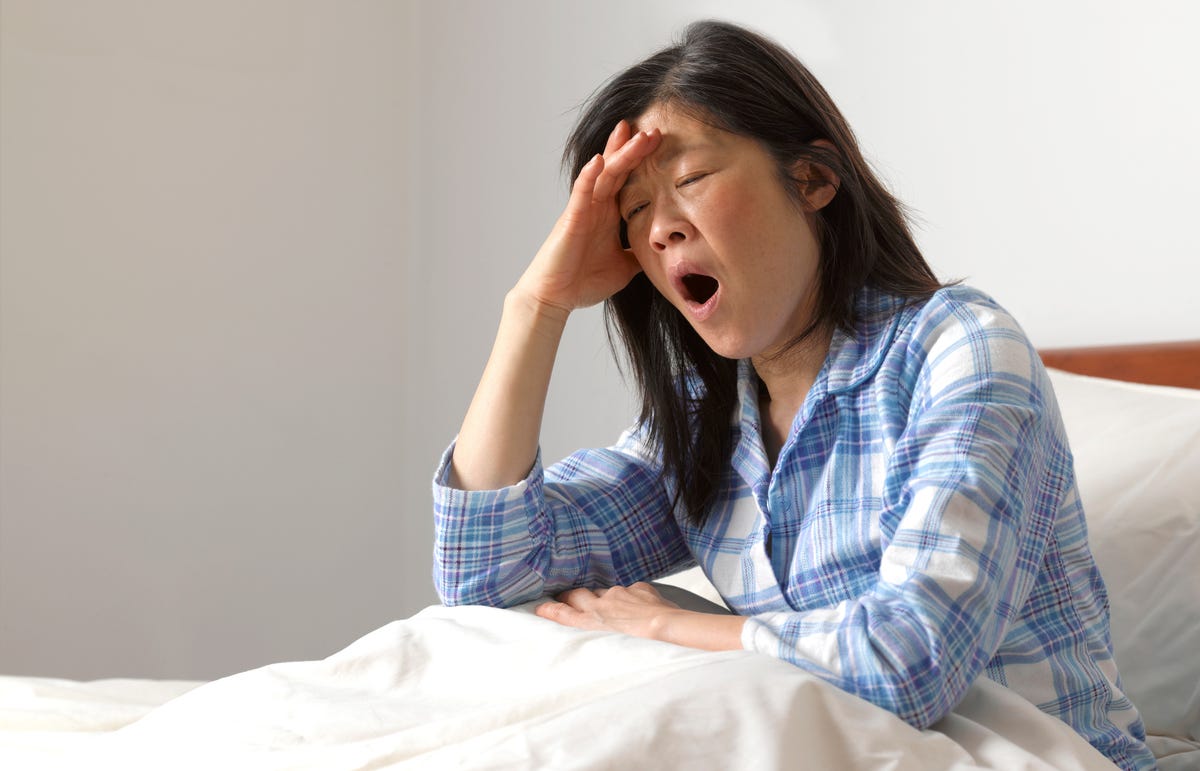
If you have sleep apnea, the constant stopping and starting of your breathing can make it difficult to get a restful night’s sleep. As a result, you may feel fatigued during the day. Being tired all of the time can trigger a host of other issues, like mood changes, depression, and concentration problems. It can also weaken your immune system and make it dangerous to drive.
Peter Dazeley/Getty Images
Type 2 diabetes
Research has found that people with OSA are more likely to develop type 2 diabetes, and more than half of people with type 2 diabetes have sleep apnea. Plus, sleep apnea deprives the body of oxygen, which increases insulin resistance and raises glucose levels – so dealing with this disorder can worsen your type 2 diabetes.
Liver issues
Obstructive sleep apnea raises liver enzymes and is linked to the development and progression of nonalcoholic fatty liver disease, a medical condition where excess fat builds up in the liver. If you have NAFLD, you may be at a higher risk for other health issues, including cirrhosis and liver failure.
Risk factors
There are a number of risk factors that influence your chances of developing sleep apnea. Here are some of the most prevalent ones.
Age
While people of any age can have obstructive sleep apnea, it’s more widespread among older people, and the chance of developing it increases as you age. Central sleep apnea is most common in people 60 and over.
Gender
Men and those assigned male at birth have a higher risk of developing sleep apnea, but the chances start to even out as people get older. For women, menopause increases the chances of getting sleep apnea.
Medical conditions
People with certain health conditions — including some thyroid and heart problems — may have a greater likelihood of contracting either type of sleep apnea. On top of that, medical conditions like hypertension, nasal congestion, diabetes, and asthma can also create a bigger risk for obstructive sleep apnea.
Weight
Studies indicate that being overweight or obese is a risk factor for obstructive sleep apnea. That’s because heavier individuals tend to have more fat deposits in their necks, which can block their airways.
Family history
Having a family history of sleep apnea ups the chance of developing the disorder. The reason is that genetics help determine the size and shape of someone’s neck area — a larger area makes it easier to get obstructive sleep apnea. Genes also play a role in how the brain controls breathing, which could raise a person’s chance of developing central sleep apnea.
Lifestyle
Drinking and smoking have been shown to raise the risk of obstructive sleep apnea because alcohol relaxes your throat muscles and tobacco increases inflammation in your airway, both of which restrict breathing.
For more information about sleep apnea and possible treatments, check out why you may feel tired after a full night of sleep.
The information contained in this article is for educational and informational purposes only and is not intended as health or medical advice. Always consult a physician or other qualified health provider regarding any questions you may have about a medical condition or health objectives.
Mattress Buying Guides
Other Sleep Guides
Read More
Taylor Freitas