

Sponsored
Breaking down data silos can lead to real-time decision-making, enhanced customer experiences, and innovation.
Greater speed and agility are helping organizations address an increasingly competitive marketplace, heightened customer expectations, and the lingering impact of the pandemic. To compete more effectively, companies are gathering and analyzing increasingly large and disparate sets of data. But only with cloud solutions, like Microsoft Azure, can this data provide insight into every corner of the enterprise, from maintenance of the factory floor to boosting customer loyalty.
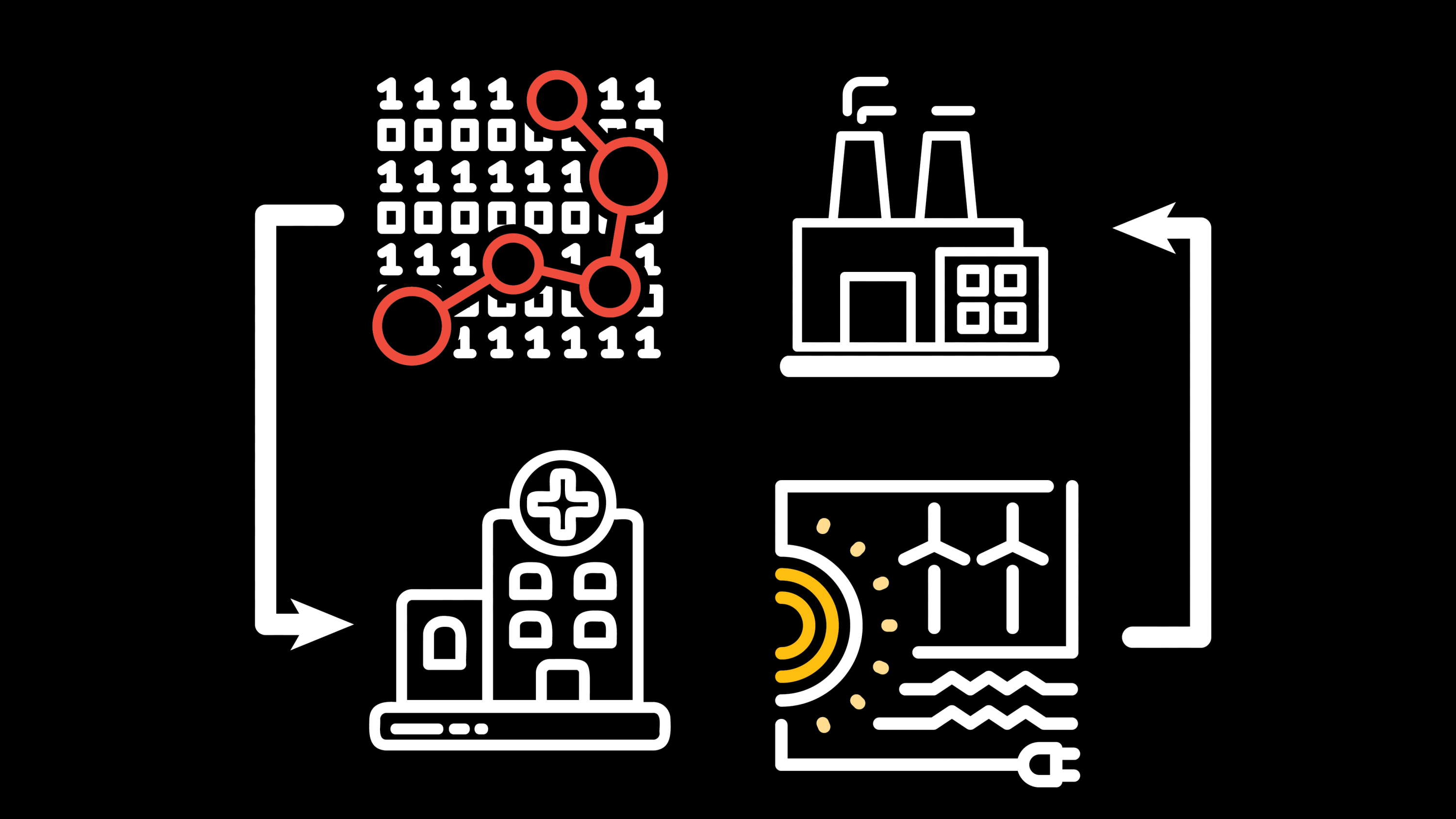
Delivering insights at scale by modernizing data
However, companies that continue to rely on legacy systems and fragmented IT environments to gather and store data will fall behind faster. The problem, says Lindsey Allen, general manager of Azure Databricks & Applied AI at Microsoft, is that “organizations need to be able to access their data in a reasonable amount of time to support business decision-making.” Accessing and analyzing this data across the enterprise at speed and scale is difficult to impossible with siloed data.
This data is often siloed in enterprise resource planning (ERP) systems. However, with ERP data modernization, businesses can integrate data from multiple sources, which will ensure data accessibility and create the framework for digital transformation. Migrating legacy databases to the cloud also gives companies access to AI and ML capabilities that can reinvent their organization. According to Anil Nagaraj, principal in Analytic Insights, Cloud & Digital at PwC, companies that modernize their ERP data see increased efficiencies, costs savings, and greater customer engagement, especially when it’s built on a cloud platform like Microsoft Azure.
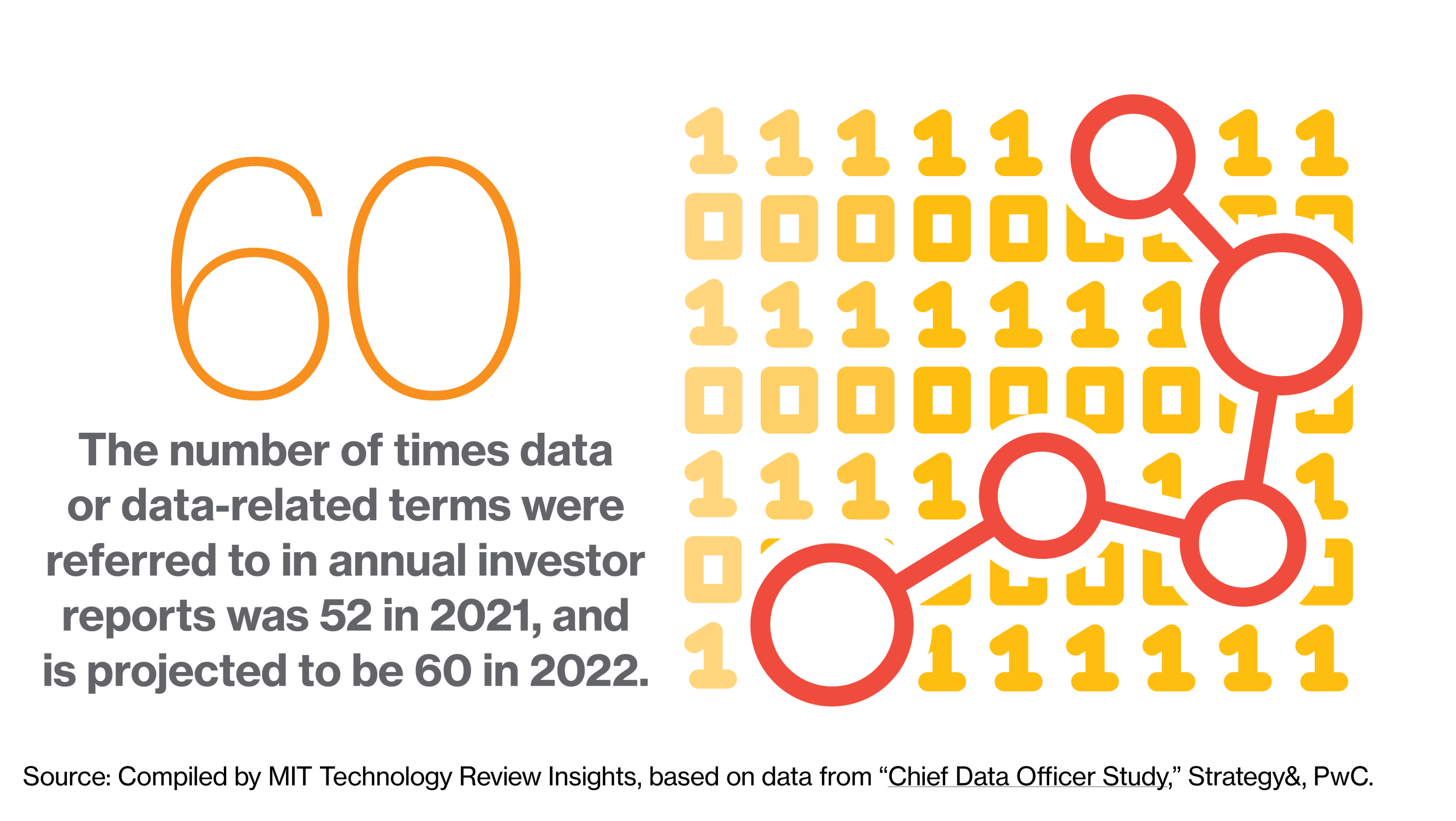
Cloud transformation—along with ERP data modernization—democratizes data, empowering employees to make decisions that directly impact their segment of business. And in an increasingly competitive marketplace, becoming data-driven means organizations can make faster, timelier, and smarter decisions.
This content was produced by Insights, the custom content arm of MIT Technology Review. It was not written by MIT Technology Review’s editorial staff.
Keep Reading
Most Popular
Stay connected
Illustration by Rose Wong
Get the latest updates from
MIT Technology Review
Discover special offers, top stories,
upcoming events, and more.
Read More
MIT Technology Review Insights