

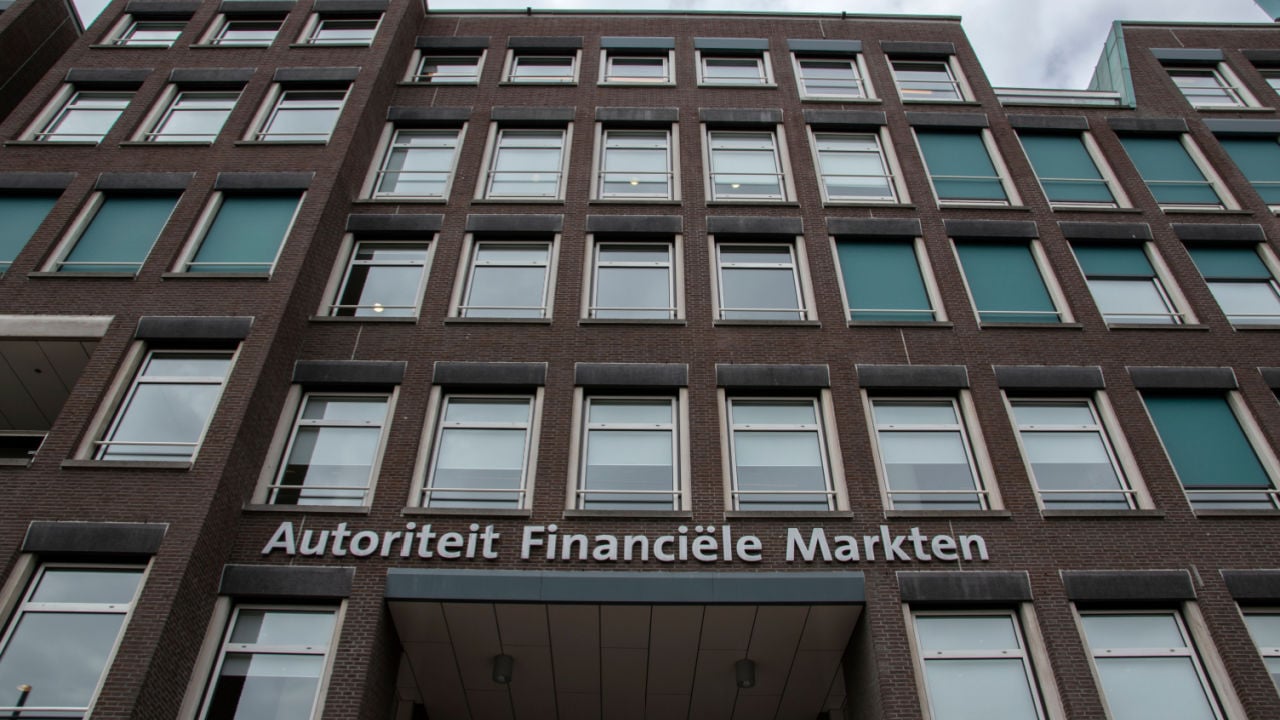
The financial regulatory body of the Netherlands intends to maintain tough attitude towards the Dutch digital assets sector despite looser European rules. The head of the agency overseeing the industry doesn’t think crypto is good news and highlights its flaws in an article.
Head of Dutch Financial Authority Says Cryptos Are Difficult to Fathom, Vulnerable to Fraud
Most countries in the West are “tightening the reins” on crypto but a total ban is “difficult to imagine”, the Chair of the Dutch Authority for the Financial Markets (AFM), Laura van Geest, noted in a column devoted to cryptocurrencies in the business daily Het Financieele Dagblad.
However, despite the tightening in the final phase of the negotiations over EU’s Markets in Crypto Assets (MiCA) legislation, the upcoming regulations remain less strict for cryptocurrencies than those for existing financial products, the executive remarked and stated:
We do not think cryptos are good news. They are difficult to fathom, vulnerable to deception, fraud and manipulation.
Laura van Geest then pointed out, as critics usually do, that the value of crypto assets is mainly based on speculation and prices can fluctuate considerably. “We have not hidden our opinion. Parties in the financial sector have been made aware of their responsibilities, and consumers have been warned of the risks,” she added.
According to AFM’s own estimates, the number of crypto owners in the Netherlands is just under 2 million and most of them invest less than €1,000. Van Geest also acknowledged that the link between the crypto world and the traditional financial sector in the country is still limited.
EU institutions and member states reached an agreement on MiCA last year. It introduces rules for crypto service providers across the 27-strong bloc and they will need regulatory approval to operate in the common market.
“Will we then drop our supervision to the lowest level in order to be able to compete with other countries? Or do we say: people who apply for a Dutch license visit the AFM precisely because of our solid image? We choose the latter,” the head of the Dutch financial authority insisted.
Laura van Geest emphasized that the Netherlands is taking this path even if that means that some of these companies will look elsewhere and attempt to enter the Dutch market through a different European jurisdiction.
“The warnings from regulators have come true in the crypto winter,” Van Geest also said in her article which came out as Belgium’s former Finance Minister Johan Van Overtveldt urged governments to ban cryptocurrencies altogether. He was citing the current banking crisis which involves the collapse of two crypto-friendly banks.
Tags in this story
Do you expect other governments in Europe to implement crypto rules stricter than those prescribed in MiCA? Share your thoughts on the subject in the comments section below.

Lubomir Tassev
Lubomir Tassev is a journalist from tech-savvy Eastern Europe who likes Hitchens’s quote: “Being a writer is what I am, rather than what I do.” Besides crypto, blockchain and fintech, international politics and economics are two other sources of inspiration.
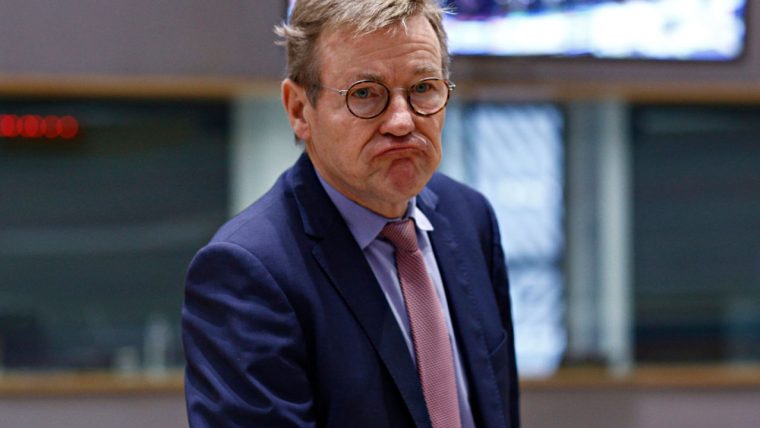

Image Credits: Shutterstock, Pixabay, Wiki Commons, Dutchmen Photography / Shutterstock.com
Read More
Lubomir Tassev