

Entertainment
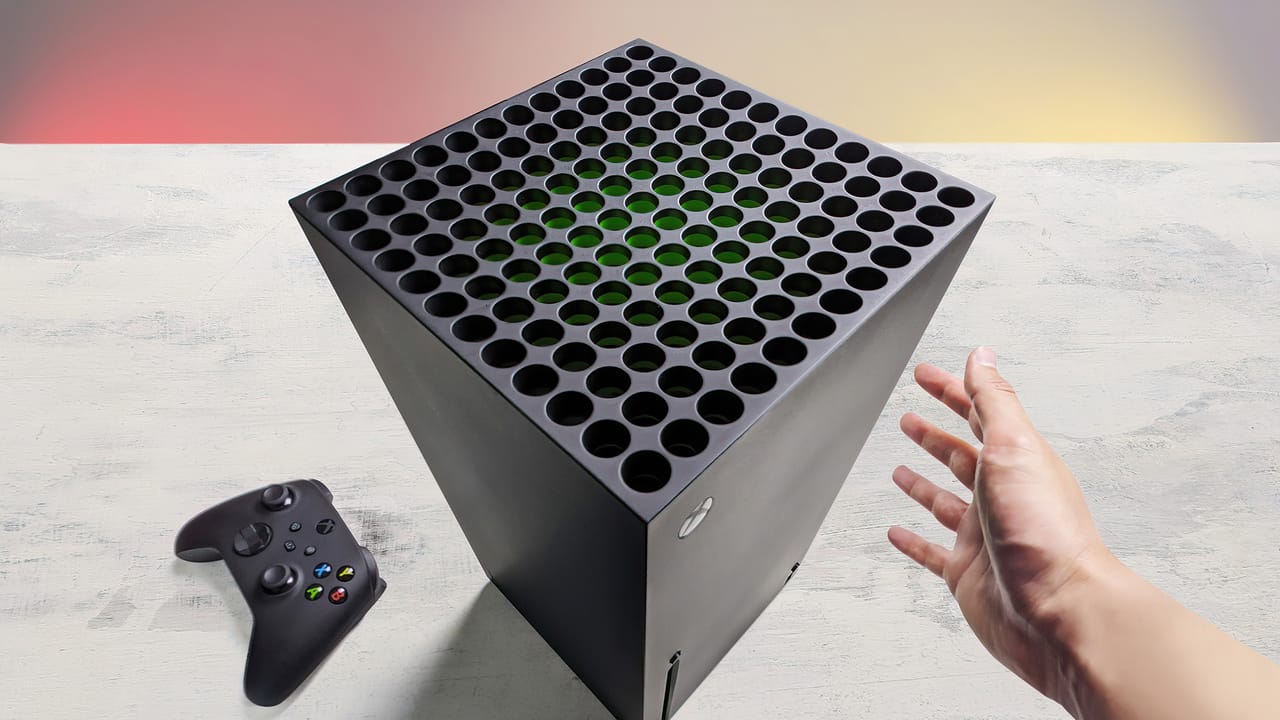
Image by Mikla via Adobe Stock
Rumblings of major change—and potentially expansive layoffs—at Xbox continue to sound following Asha Sharma’s ominous pronouncement of a business “reset” earlier this month. Those rumblings come from sources speaking to The Information about a potential restructuring of Microsoft’s video game division as well as CEO Satya Nadella himself.
The one-two punch of potentially ominous developments began on Friday when The Information reported that three people with direct knowledge of high-level conversations at Xbox alleged that the company is considering spinning out Xbox into a standalone business unit, similar to LinkedIn or Github. Such a move would make it easier to sell Xbox or find a business partner to jointly invest in the new company.
That same day, Nadella took to the stage of Hard Fork Live in San Francisco to offer stern words about the state of Xbox in between proclamations about the future of AI technology. “The challenge now is for us to think about how do you innovate both in hardware as well as in games going forward in an economically viable way,” he said. “No one can accuse Microsoft of not having invested in for the last 25 years. Now we have to turn this into a sustainable business that delivers what is fundamentally one of the best sources of entertainment.”
Related:Microsoft launching improved Xbox Adaptive Thumbstick Toppers
His next comments proved particularly eyebrow-raising, as he implied that Microsoft has been “subsidizing” that means of entertainment rather than building a profitable business. “The challenge we have is we’ve not been monetizing that entertainment,” he said. “In fact if anything, we’ve been subsidizing that entertainment.”
“There’s more monetization of Xbox games happening on YouTube than at Microsoft,” he stated, seemingly alluding to the thousands of content creators earning advertising revenue while playing Xbox games like Minecraft and Forza Horizon 6.
He did add Xbox wouldn’t do anything “unnatural,” and that the company wants to build “great games and great hardware,” but that the company has to do it in an “economically sustainable way.”
Xbox faces many challenges of Microsoft’s making
Other details from The Information and Nadella’s comments offer more context about Xbox’s plans to beef up the business—though the problems they’re looking to solve appear to have been caused by Microsoft itself.
Over at The Information, sources say the company is looking to speed up development timelines of big-ticket games in the Halo, Fallout, and Elder Scrolls series, which admittedly have seen longer and longer development cycles at subsidiaries Halo Studios and Bethesda Softworks. Meanwhile Nadella acknowledged that the company’s need to adjust its Xbox hardware plans is driven by price increases driven by generative AI companies effectively mass pre-ordering the world’s supply of memory chips.
Related:Sony confirms PS5 hardware is about to become even more expensive
But Microsoft played a major role in contributing to slow development timelines and price increases. Multiple former employees have criticized upper management at Halo Studios for poor, allegedly abusive business practices. And in 2020, Bloomberg reporter Jason Schreier reported that the studio’s reliance on contract workers collided with Microsoft’s strict 18-month limits, slowing down the making of Halo Infinite.
Meanwhile, Bethesda Softworks has long employed lengthy development cycles on big-ticket games like Fallout 4, Starfield, and now The Elder Scrolls VI, but parent company ZeniMax Media offset those timelines with games from other subsidiaries like Arkane Studios, iD Software, ZeniMax Online Studios, and Tango Gameworks.
Those games didn’t necessarily always perform well, but they did build a bankable back catalogue and enable knowledge sharing and support between studios. After Xbox’s $7.5 billion purchase of ZeniMax, it closed Arkane Austin, Tango Gameworks, and support studio Alpha Dog Games (Krafton stepped in to revive the Hi-Fi Rush developer), closing those opportunities. It also canceled a new live service game codenamed “Blackbird” from ZeniMax Online Studios that was apparently so far in production that former Microsoft Gaming CEO Phil Spencer couldn’t tear himself away from it during a meeting.
Related:The next Xbox is codenamed “Project Helix,” will also play PC games
We should also note that Asha Sharma’s recent comments casting doubt on Xbox’s approximately $69 billion purchase of Activision Blizzard were undoubtedly fueled by the reported underperformance of Call of Duty: Black Ops 7, which has been partly attributed to its day-one inclusion on Xbox Game Pass Ultimate, which took place after Microsoft raised the price of the subscription service (and then lowered it again earlier in 2026). The placement may have into the game’s sales while doing little to bump up Game Pass subscribers.
As for the memory price increases driven by AI companies—those began to catch the public eye in October 2025 when OpenAI struck a major deal with Samsung and SK for 900,000 DRAM wafer starts per month, locking up much of the world’s anticipated supply of memory before it’s even been produced.
Nadella said those increases “wouldn’t be permanent,” and that Microsoft would re-examine Xbox’s hardware model in the future. But OpenAI’s biggest business partner is in its race to corner the AI market is…of course, Microsoft.
Entertainment About the Author

Senior Editor, GameDeveloper.com
Bryant Francis is a writer, journalist, and narrative designer based in Boston, MA. He currently writes for Game Developer, a leading B2B publication for the video game industry. His credits include Proxy Studios’ 4X strategy game Zephon, Iron Anchor Studios’ Down With The Ship, and Amplitude Studio’s 2017 game Endless Space 2.
Read More
Bryant Francis