

Latest
Features, Editors’ Blog, Long Reads
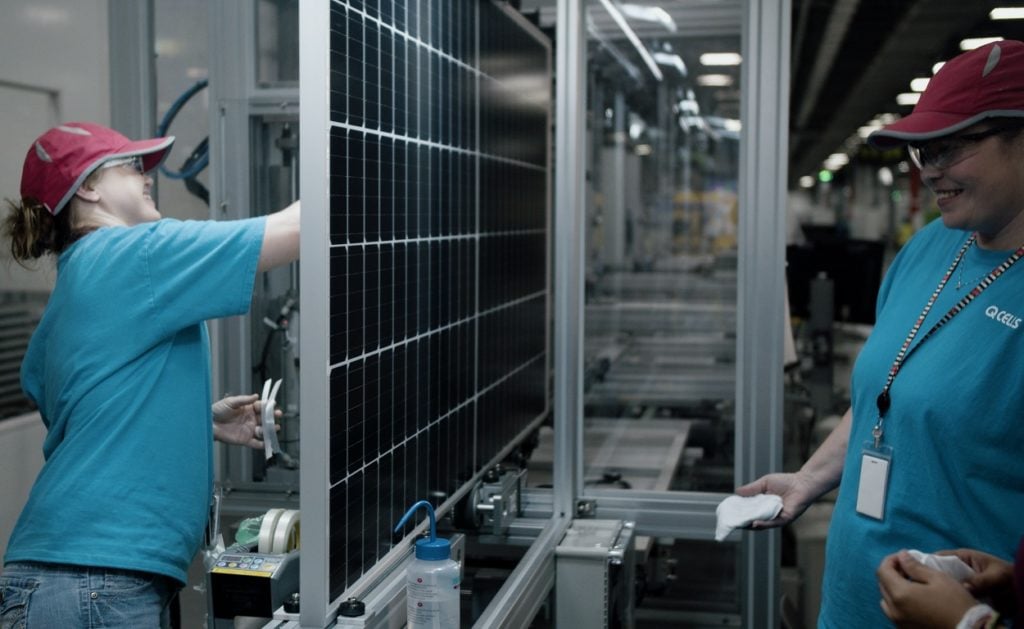
Solar manufacturer Qcells is expanding into integrated home energy systems with a new division targeting the US residential construction sector.
The division, “Qcells New Homes”, will partner with homebuilders to incorporate solar and battery storage into new-build properties. The company said the move is designed to address mounting pressure on US households from rising electricity costs and concerns around grid reliability.
This article requires Premium SubscriptionBasic (FREE) Subscription
Already a subscriber? Sign In
Try Premium for just $1
- Full premium access for the first month at only $1
- Converts to an annual rate after 30 days unless cancelled
- Cancel anytime during the trial period
Premium Benefits
- Expert industry analysis and interviews
- Digital access to PV Tech Power journal
- Exclusive event discounts
Or continue reading this article for free
Qcells is positioning the platform around a leasing model intended to lower barriers to adoption. Under the structure, upfront costs for builders are reduced, while homeowners can access systems without affecting their debt-to-income ratios – an important factor in mortgage approvals. Monthly lease payments are set below typical utility rates and are fixed, shielding customers from future price increases.
According to the firm, the platform will operate as a direct-from-manufacturer solar and storage partner, supplying US-made modules from its Georgia facility alongside domestically produced battery systems, financing, installation and long-term monitoring services.
“We are cutting out the intermediary to deliver solar panels assembled in America directly to new communities,” said Phil Narodick, president of Qcells New Homes.
“Our team brings decades of experience supporting the homebuilding industry and provides builders with an integrated solar and storage solution designed to maximise system performance and homeowner value under evolving net metering programmes, while delivering seamless energy solutions across the entire project lifecycle.”
The offering also includes integrated battery storage, enabling households to store solar generation and, in some markets, export electricity back to the grid. This aligns with policy frameworks such as California’s Net Energy Metering (NEM) 3.0, which incentivise self-consumption and grid support. Backup power functionality is also included for outage scenarios.
PV Tech has been running PV ModuleTech Conferences since 2017. PV ModuleTech USA, on 16-17 June 2026, will be our fifth PV ModulelTech conference dedicated to the U.S. utility scale solar sector. The event will gather the key stakeholders from solar developers, solar asset owners and investors, PV manufacturing, policy-making and and all interested downstream channels and third-party entities. The goal is simple: to map out the PV module supply channels to the U.S. out to 2028 and beyond.
San Francisco Bay Area, USA
PV Tech has been running an annual PV CellTech Conference since 2016. PV CellTech USA, on 13-14 October 2026 is our third PV CellTech conference dedicated to the U.S. manufacturing sector. The events in 2023, 2024 and 2025 were a sell out success and 2026 will once again gather the key stakeholders from PV manufacturing, equipment/materials, policy-making and strategy, capital equipment investment and all interested downstream channels and third-party entities. The goal is simple: to map out PV manufacturing in the U.S. out to 2030 and beyond.
Read Next
Indian module manufacturer Saatvik Green Energy has acquired an 80% equity stake in Melcon Transformers and Electricals.
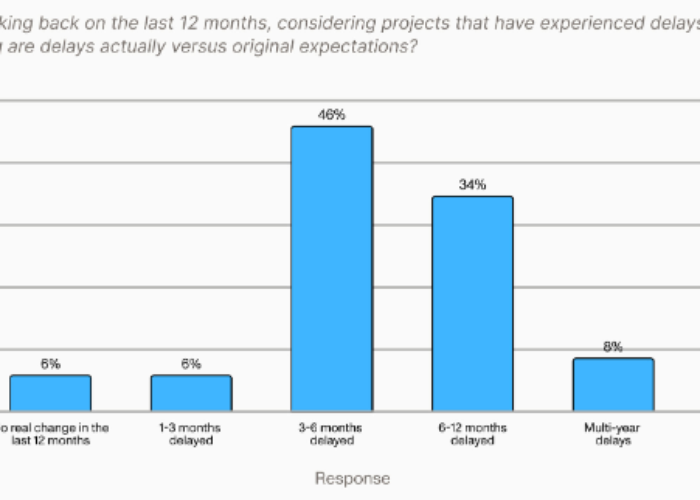
US solar permitting delays are raising costs and slowing deployment, with PV Tech speaking to Crux experts on implications for developers and the wider PV industry.

The US DoC has issued preliminary affirmative determinations in antidumping duty investigations, setting preliminary dumping margins of 123.04% for India, 35.15% for Indonesia and 22.46% for Laos.
The AEMC has released a draft rule to modernise distribution network planning in response to the rapid uptake of CERs.

UAE state-owned renewables developer Masdar has established a joint venture (JV) with the national power utility of Montenegro to develop “large-scale” clean energy projects in the country.
The Global Solar Council has announced a new management and strategy board drawn from across the solar and storage industries.
Most Read
Upcoming Events
Media Partners, Solar Media Events
National Exhibition and Convention Center (Shanghai)
San Francisco Bay Area, USA
Shreeyashi Ojha
Read More