

Bitcoins
Bitcoins Latest

The European Bank for Reconstruction and Development (EBRD) has launched a new programme to improve access to green financing and support investment in areas such as renewable energy.
The ‘Greening financial systems: delivering climate finance for all’ programme aims to mobilise US$634 million in green financing, and is supported by a US$200 million investment – in the form of loans, grants and technical assistance – from the bank and the Green Climate Fund (GCF). The programme will be available in 13 countries, including Armenia, Moldova and Tajikistan.
This article requires Premium SubscriptionBasic (FREE) Subscription
Already a subscriber? Sign In
Bitcoins Try Premium for just $1
- Full premium access for the first month at only $1
- Converts to an annual rate after 30 days unless cancelled
- Cancel anytime during the trial period
Premium Benefits
- Expert industry analysis and interviews
- Digital access to PV Tech Power journal
- Exclusive event discounts
Or continue reading this article for free
The EBRD noted that the money will be used to support “energy efficiency, renewable energy, sustainable construction and climate-resilient technologies”, with additional investments provided by partner financial institutions. The programme also offers what the EBRD called “financial incentives” for financial institutions that invest in projects aligned with the Paris Agreement, as it looks to secure additional funds for the clean energy transition.
This initiative could provide benefits for small-scale solar, in particular, due to its focus on small-scale energy systems and clean energy investments. The programme is designed to make green finance more accessible to “utilities and large corporates”, but also “households, smallholders” and small businesses, which have long been a key focus of solar industries in markets with less mature grid systems.
Two of the countries to receive support through this scheme – Egypt and Morocco – are in Africa, where small-scale solar has been particularly important.
Earlier this year, John van Zuylen, CEO of the Africa Solar Industry Association (AFSIA), told PV Tech Premium how the commercial and industrial (C&I) sector in particular has been a key component of Africa’s solar sector, and a means to provide access to electricity in the absence of large-scale grid infrastructure.
Large Scale Solar Central and Eastern Europe continues to be the place to leverage a network that has been made over more than 10 years, to build critical partnerships to develop solar projects throughout the region.
Understanding PV module supply to the European market in 2026. PV ModuleTech Europe 2025 is a two-day conference that tackles these challenges directly, with an agenda that addresses all aspects of module supplier selection; product availability, technology offerings, traceability of supply-chain, factory auditing, module testing and reliability, and company bankability.
The conference will gather the key stakeholders from PV manufacturing, equipment/materials, policy-making and strategy, capital equipment investment and all interested downstream channels and third-party entities. The goal is simple: to map out PV manufacturing out to 2030 and beyond.
Bitcoins Read Next
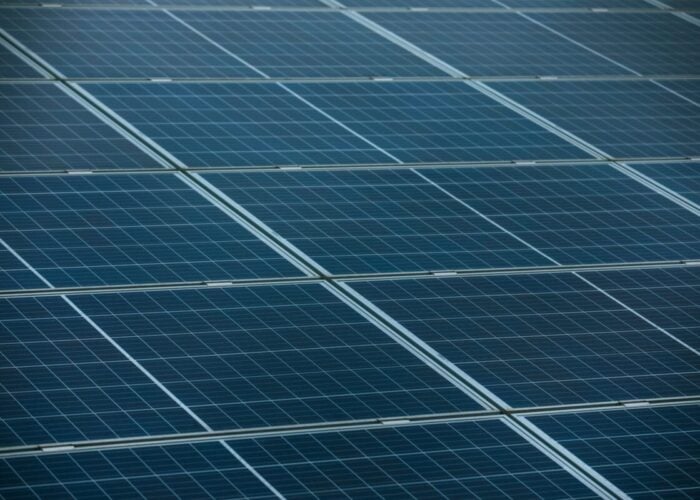
Madison Energy Infrastructure has raised US$800 million to accelerate the deployment of clean energy assets across the US.
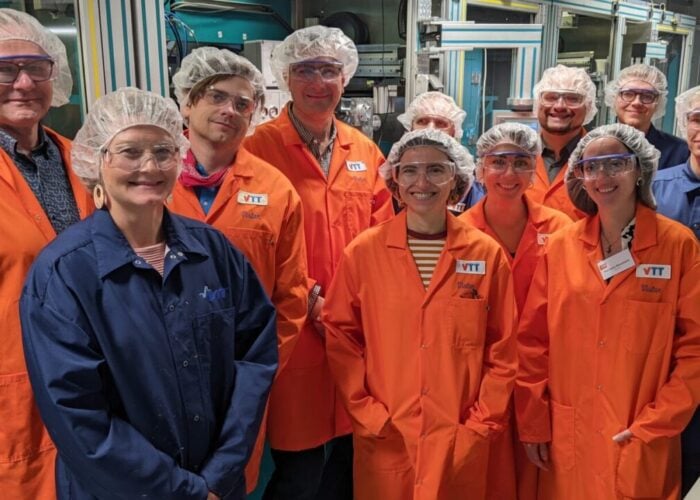
The PEARL Consortium has developed perovskite solar cells with carbon electrodes with a conversion efficiency of 21.6%.
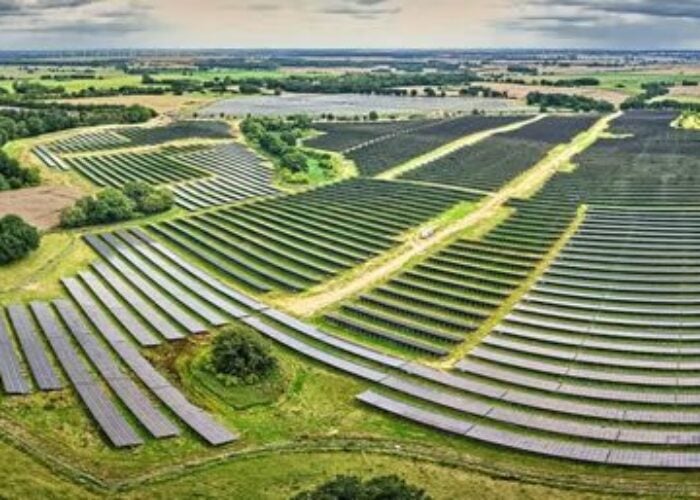
A project claimed to be Germany’s largest agriPV plant has been commissioned in the north-east of the country.
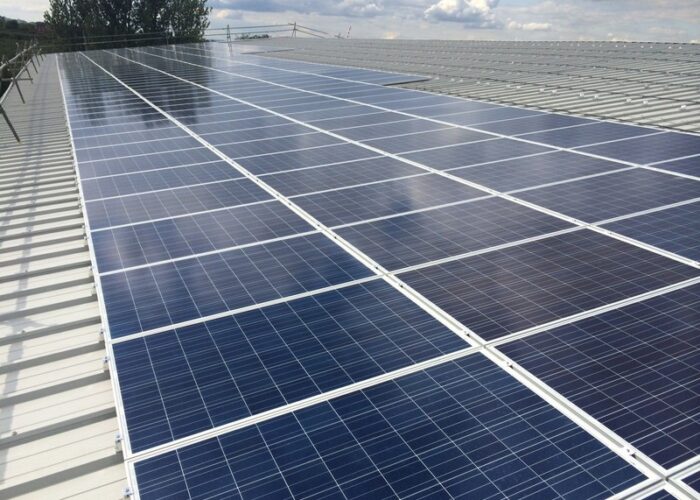
Indian solar module manufacturer Vikram Solar reported a 79.7% year-on-year increase in revenue for the first quarter of FY26.
Japanese solar cell manufacturer Toyo Solar has sold 1.6GW of solar PV cells in the first half of 2025, driving revenue of around US$139 million.
Nautilus and Summit Ridge Energy secured major financing deals to expand community solar projects across multiple US states.
Bitcoins Subscribe to Newsletter
Bitcoins Most Read
Bitcoins Upcoming Events
JP Casey Read More