

By
Hugh Cameron is Newsweek U.S. news reporter based in London, U.K. with a focus on covering American economic and business news. Hugh joined Newsweek in 2024, having worked at Alliance News Ltd where he specialised in global and regional business developments, economic news, and market trends. He graduated from the University of Warwick with a bachelor’s degree in politics in 2022, and from the University of Cambridge with a master’s degree in international relations in 2023. Languages: English. You can get in touch with Hugh by emailing h.*******@******ek.com
U.S. News Reporter
????️ Voice is AI-generated. Inconsistencies may occur.
Company executives and U.S. workers appear to hold differing views on the current health and future direction of the American economy.
A survey conducted in June by career networking platform LinkedIn found that just 16 percent of U.S. workers believed the economy would be better off in six months’ time, compared to 45 percent who believe it will have deteriorated.
Company executives, meanwhile are somewhat more optimistic: 25 percent forecast improvements over the next six months, while a less-worrying 33 percent said they think conditions will decline.
Why It Matters
While both groups expressed notable uncertainty about economic conditions through the remainder of 2025 and beyond, the disparity shows how those at different ends of the income and employment spectrum may experience a turbulent economy.
Top positions and corporate resources could play a role in executives having less concern over the prospect of a sustained slowdown in the labor market, as well as a resurgence in inflationary struggles. Employees, meanwhile, are likely more worried about these threats and the potential impacts on job security and living costs.
What To Know
LinkedIn’s survey was based on responses from 1,903 of its U.S. members gathered between June 14 and June 27, and 2,881 executives at the vice president-level or higher from June 11 to June 25.
Looking beyond the next six months, 26 percent of workers said they believes the economy would be better off a year from now, while 48 percent anticipated conditions becoming even worse. By contrast, 43 percent of executives responded that things would improve over the next 12 months, compared to 33 percent who expected a decline.
While the U.S. has not yet entered the downturn that could definitively refute or confirm the opinions of the surveyed workers and executives, economists are increasingly concerned that the economy is teetering on the edge of a recession.
Recent surveys also mirror LinkedIn’s findings, underscoring many of these fears and the impacts on workers should a recession occur.
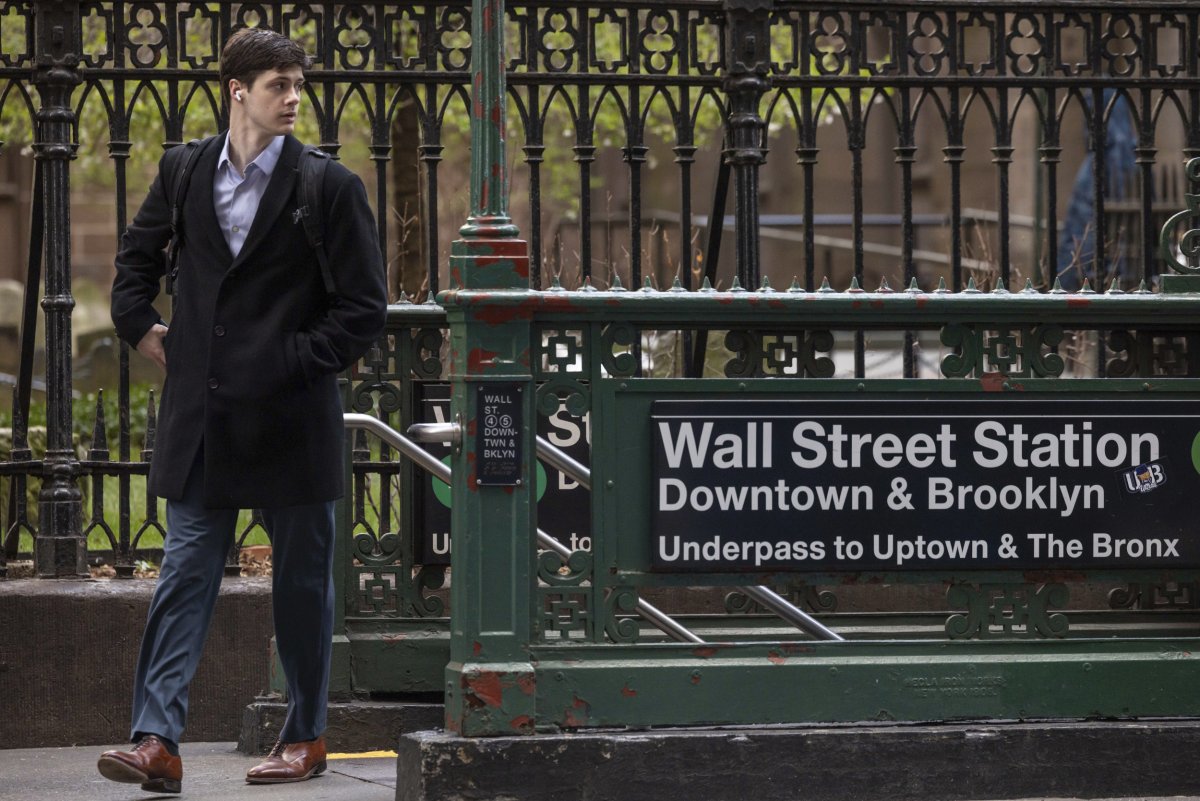
Yuki Iwamura/AP Photo
The Federal Reserve Bank of New York’s August survey of consumer expectations, released Monday, found that the workers now see only a 44.9 percent chance of finding a new job within three months if they were to lose their current one. This marks a drop of 5.8 percent from July and the lowest reading since the survey began in June 2013.
This comes amid an significant slowdown in hiring across the labor market, and a diminishing number of new jobs being added to the economy. On Friday, the Bureau of Labor Statistics (BLS) reported that nonfarm payroll employment had risen by only 22,000 in August, missing analysts’ forecasts of a 75,000 gain.
What People Are Saying
Chief Economist for Comerica Bank Bill Adams, in comments shared with Newsweek following Friday’s jobs report, said: “The U.S. economy is operating in low gear in 2025, but is probably still growing—that is, not in recession. Economic growth will likely remain modest through year-end, then regain traction in 2026 as fiscal and monetary policy turn more accommodative.”
What Happens Next?
Annual revisions released Tuesday by the BLS revealed that initial estimates for nonfarm payrolls data for the 12 months to March of this year were overestimated by 911,000, likely contributing to existing concerns about the state of the labor market and the economy going forward.
“The jobs picture keeps deteriorating,” Chris Zaccarelli, Chief Investment Officer for Northlight Asset Management, told Newsweek following the release, adding that this will likely prompt the Federal Reserve to cut interest rates at its mid-September meeting.

fairness meter
Click On Meter To Rate This Article
Top stories
About the writer
Hugh Cameron is Newsweek U.S. news reporter based in London, U.K. with a focus on covering American economic and business news. Hugh joined Newsweek in 2024, having worked at Alliance News Ltd where he specialised in global and regional business developments, economic news, and market trends. He graduated from the University of Warwick with a bachelor’s degree in politics in 2022, and from the University of Cambridge with a master’s degree in international relations in 2023. Languages: English. You can get in touch with Hugh by emailing h.*******@******ek.com
Hugh Cameron is Newsweek U.S. news reporter based in London, U.K. with a focus on covering American economic and business …
Read more
Hugh Cameron
Read More