

South Korean Central Bank Wants to Use CBDC to Pay $79.3B Worth of Gov’t Subsidies

Author
Tim Alper
Author
Tim Alper
About Author
Tim Alper is a British journalist and features writer who has worked at Cryptonews.com since 2018. He has written for media outlets such as the BBC, the Guardian, and Chosun Ilbo. He has also worked…
Last updated:

The Governor of the South Korean Central Bank says Seoul is planning to use its Central Bank Digital Currency (CBDC) to pay over 110 trillion won ($79.3 billion) in government subsidies.
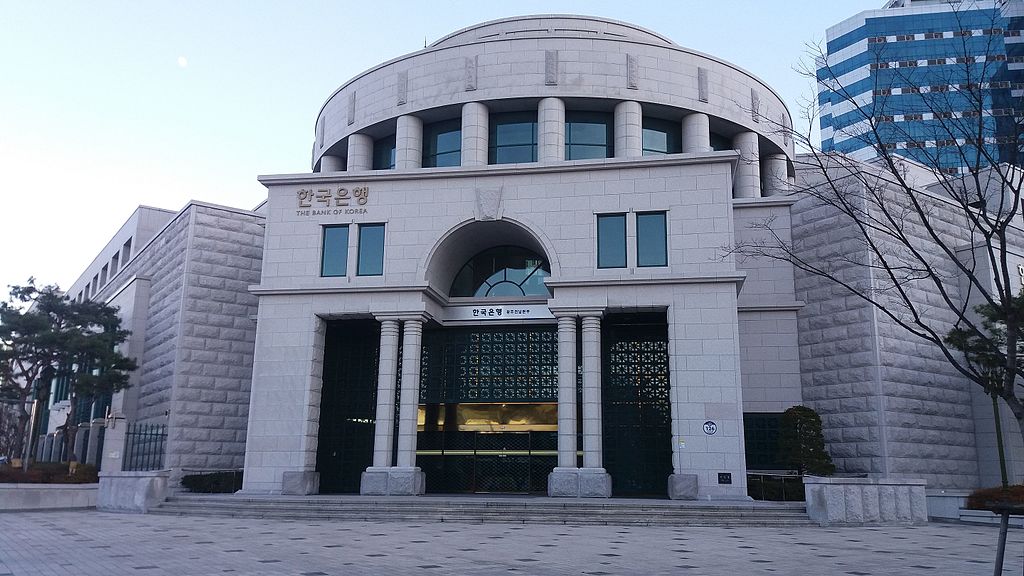
The South Korean newspaper Hankook Ilbo reported that the Bank of Korea (BOK) chief Rhee Chang-yong said the payments would be made as part of a new “digital currency pilot project.”
Rhee was speaking during a press conference held in central Seoul on August 28 following a Monetary Policy Committee meeting earlier in the day.
South Korean CBDC: Back From the Dead?
The move has come as something of a surprise in Seoul. The BOK announced in late June this year that it was putting CBDC testing on hold in favor of developing stablecoin-powered alternatives.
Rhee said the subsidy move was part of the greater Han River Project, the country’s wider CBDC pilot.
The media outlet said that the new CBDC move was the brainchild of the Ministry of Strategy and Finance.
The ministry thinks that CBDC-powered subsidies will help prevent fraudulent use and improve fiscal policy efficiency. Rhee explained:
“This is part of the second Han River Project pilot. Using digital fiat to pay subsidies will let principal contractors better manage subsidies when entering into agreements with subcontractors.”
The BOK and the ministry plan to issue contractors with CBDC tokens instead of bank transfers or vouchers.
The parties think that blockchain technology will help trace funds and ensure they are not being misused. Rhee added:
“During his recent visit to the BOK, Koo Yun-cheol, the Deputy Prime Minister and Minister of Strategy and Finance, said he thinks this will increase the efficiency and transparency of subsidy payments.”
On August 22, Deputy Prime Minister Koo Yun Cheol attended the joint ministerial briefing on the new government’s economic growth strategy and delivered a statement at the Government Complex Seoul. pic.twitter.com/RfSVzp8o0n
— MOEF – Korea (@moefkorea_eng) August 22, 2025
We Only Want to Work with Banks That Favor CBDC Biz, Says BOK
The BOK was keen to point out that the new project would differ from the “first” pilot, which wrapped up in the first half of this year.
While the first pilot focused largely on commercial banks and their customers, the subsidy-focused pilot will be private sector-led.
Many of the banks that took part in the first pilot expressed their displeasure with CBDC launch plans.
They complained that they thought it unfair that they should shoulder the burden of making infrastructure investment costs.
But Rhee left the door open to the banking sector, suggesting the BOK is happy to partner with lenders who are still keen on CBDC business. The Governor said:
“Considering the scale of the project, at 110 trillion won, I believe this be attractive for banks. We plan to focus on working with banks with a strong willingness to invest [in the project].”
The South Korean won strengthened after Bank of Korea Governor defended its foreign exchange interventions as efforts to stem the decline and said it is part of talks with the US government https://t.co/jUTgYGUiNh
— Bloomberg (@business) August 28, 2025
‘Accelerated’ Plans
Rhee also suggested that Seoul’s stablecoin pivot has not sounded the death knell for the BOK’s CBDC plans.
Indeed, the Governor explained that once lawmakers have finalized the creation of new crypto and stablecoin legislation, the BOK plans to “accelerate” the Han River Project. Rhee said:
“We have discussed upcoming [crypto and stablecoin] legislation with the ministry. The BOK has also exchanged practical opinions with the [regulatory] Financial Services Commission. We hope that the BOK’s views will be well-reflected in these deliberations.”
The BOK has previously said that it wants to see a phased CBDC and stablecoin adaptation process. It wants this to begin with traditional financial institutions, such as banks.
Institutions like these are that are subject to strict BOK supervision, Hankook Ilbo remarked.
South Korean financial and crypto chiefs are growing restless, however. They have complained that progress on stablecoin legislation has “slowed to a standstill.”
This is because lawmakers cannot agree on the matter of whether or not tech firms should be allowed to issue KRW-pegged stablecoins.
Conservative voices have urged Seoul to restrict issuance to the commercial banking sector. But progressive opponents say such a move would stifle innovation.
Follow us on Google News
Read More
Luz Buresh