

HomeWorld NewsIran to shut the Strait of Hormuz: Why it matters?
Iran’s move to consider closing the Strait of Hormuz—a vital artery for global oil trade—has triggered alarm across energy and shipping markets, as analysts warn of price spikes and strategic instability. With one-fifth of the world’s oil flowing through the strait, even a temporary disruption could have global ripple effects.

By Megha Rani June 22, 2025, 9:55:45 PM IST (Updated)
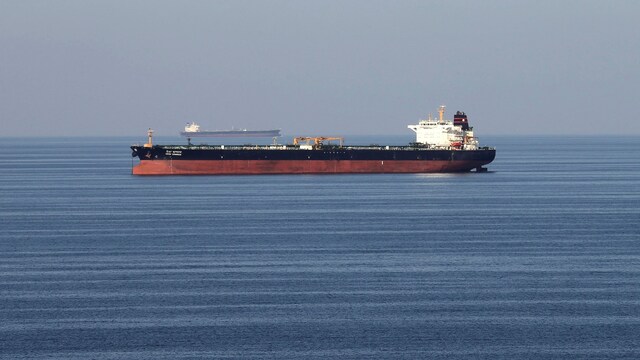
In a move that could jolt global energy markets, Iran’s parliament has approved a measure to close the Strait of Hormuz—a critical maritime chokepoint for global oil shipments—following US airstrikes on Iranian nuclear facilities. State-run Press TV reported on Sunday (June 22) that the proposal reflects broad consensus within the Iranian legislature, although the final decision rests with the country’s Supreme National Security Council.
The Strait of Hormuz, a narrow channel at the mouth of the Persian Gulf, serves as a conduit for nearly 20% of the world’s daily oil output, transporting exports from major producers including Saudi Arabia, Iraq, and the UAE. For India, the stakes are especially high as about 40% of its crude oil imports and over half of its LNG pass through this route.
Major General Kowsari, a member of the parliamentary National Security Committee, stated the measure reflects Iran’s intent to respond decisively but lawfully to the US assault. If approved, it would signal one of the most direct and economically consequential retaliatory steps in the ongoing confrontation.
Citigroup analysts warned of significant market turbulence if the closure proceeds. “Any closure of the Strait could lead to a sharp price spike,” noted a recent memo, forecasting Brent crude could surge to $90 a barrel under their bullish scenario—even though they view a prolonged halt in shipping as unlikely.
Major energy players are already drawing up fallback plans. “If that artery is blocked, for whatever reason, it has a huge impact on global trade,” Shell CEO Wael Sawan said at the Japan Energy Summit in Tokyo. “We have plans in the eventuality that things deteriorate.”
In an exclusive broadcast on CNBC-TV18, a panel of experts dissected the far-reaching consequences of the escalating Middle East crisis, with energy security taking center stage. From the Strait of Hormuz to global financial markets, panelists warned of ripple effects that could disrupt oil flows and trigger economic volatility.
Nilesh Shah, Managing Director of Kotak Mahindra AMC, cautioned that markets would initially react negatively. “Ultimately, it will come down to oil availability and pricing to determine the market’s direction,” he noted.
Professor Sean Foley of Middle Tennessee State University highlighted the broader stakes, warning that a closure of the Strait of Hormuz—an option Iran has floated—would not only choke Iranian oil exports but also impact other Gulf producers. “This would drive up global oil prices, especially for major importers like China and India,” he said.
(Edited by : Priyanka Deshpande)
First Published:
Jun 22, 2025 8:02 PM
IST
Read More
Megha Rani