


Story by
Ioanna Lykiardopoulou
Ioanna is a writer at TNW. She covers the full spectrum of the European tech ecosystem, with a particular interest in startups, sustainabili
Ioanna is a writer at TNW. She covers the full spectrum of the European tech ecosystem, with a particular interest in startups, sustainability, green tech, AI, and EU policy. With a background in the humanities, she has a soft spot for social impact-enabling technologies.
On Thursday, the European Commission unveiled the Net-Zero Industry Act, a much-anticipated proposal aiming at boosting the EU’s green tech production amidst an increasingly intense global race.
The new regulation is a key part of the European Green Industrial Plan — the bloc’s response to the US’ $369 billion package of green subsidies — seeking to ensure that at least 40% of the union’s net-zero technology demand is produced domestically by 2030.
“We need a regulatory environment that allows us to scale up the clean energy transition quickly,” President of the Commission, Ursula von der Leyen, said in a statement. “The Net-Zero Industry Act will do just that. It will create the best conditions for those sectors that are crucial for us to reach net-zero by 2050.”
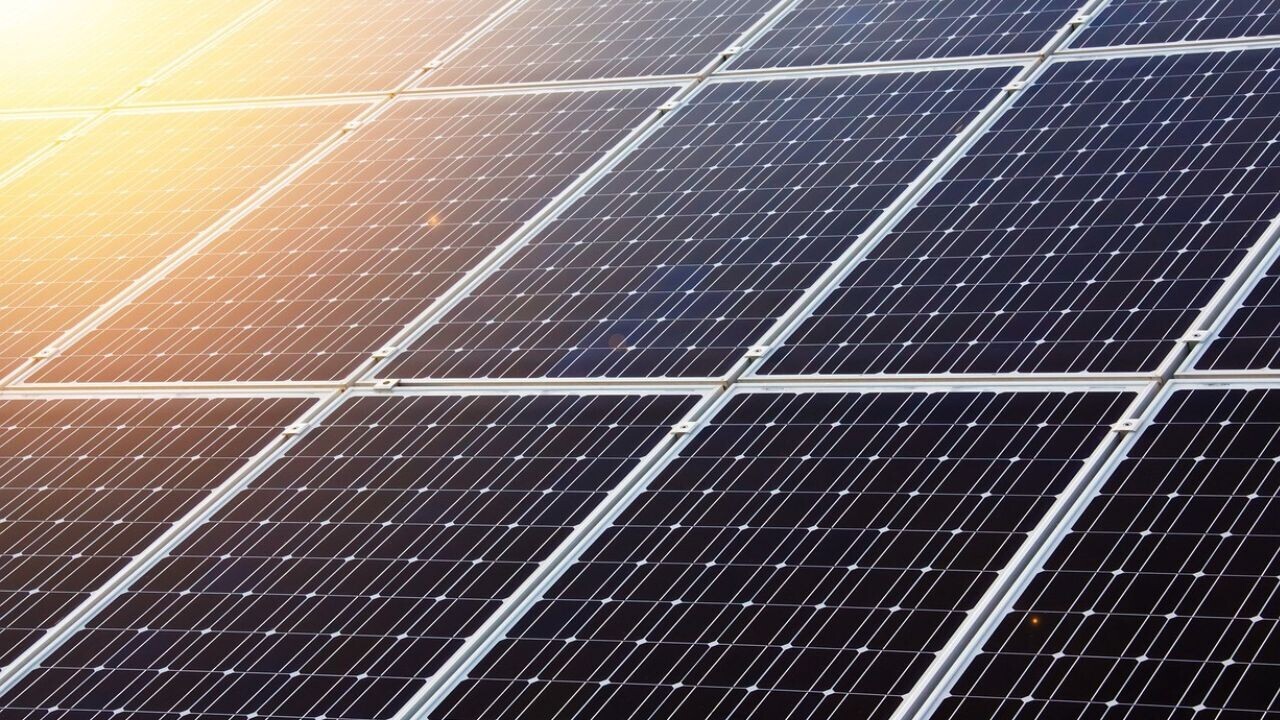
Amongst the technologies designated as “strategic” for the bloc’s decarbonisation are solar power, onshore and offshore wind energy, batteries and storage, carbon capture, biogas/biomethane, and renewable hydrogen.
The act proposes several key actions to drive investments into domestic manufacturing of these technologies. These include the acceleration of permits, the increase of skilled workforce, a designated platform to enable the cooperation between the Commission and member states, and regulatory sandboxes member states can use to test innovative technologies.
Alongside the Net-Zero Industry Act, the Commission also released its Critical Raw Materials proposal, which aims to strengthen the bloc’s supply of the critical minerals needed to manufacture green tech and reduce dependence on imports.
Both regulations are pending approval by the European Parliament and Council before they can enter into force.
“Demand is growing in Europe and globally, and we are acting now to make sure we can meet more of this demand with European supply,” Von der Leyen noted.
Get the TNW newsletter
Get the most important tech news in your inbox each week.
Also tagged with
Read More
Ioanna Lykiardopoulou