

David Turk, the Energy Department’s number two, says that recent US climate policies are creating jobs and accelerating the nation’s shift to clean energy.

A recent set of sweeping US laws have already kicked off a boom in proposals for new mining operations, minerals processing facilities, and battery plants, laying the foundation for domestic supply chains that could support rapid growth in electric vehicles and other clean technologies.
That’s by design. A stipulation in the Inflation Reduction Act (IRA), enacted last year, restricts EV tax credits to vehicles with batteries that contain a significant portion of minerals extracted or refined within the US, or from countries that have free-trade agreements with it. Manufacturing the batteries that power these vehicles requires significant amounts of finished materials such as cobalt, graphite, lithium, manganese, and nickel. Today these often come from other nations, particularly China.
Billions of dollars of investments in battery materials have been announced in North America since the IRA passed, according to BloombergNEF. The “domestic content requirements” helped spark or accelerate those plans, observers say. But it’s still not clear which nations will qualify for providing the processed materials, and some allies have accused the US of providing unfair advantages to its own industries.

COURTESY: US DEPARTMENT OF ENERGY
Some experts also worry that the requirements, which become stricter over time, are so stringent they could have the unintended effect of actually slowing the shift to cleaner technologies. After all, it takes years to get new mines and plants running under the best of circumstances, and the permitting process for major projects in the US is notoriously slow. Adding to the potential delays, some communities are already pushing back on certain proposals, citing environmental impacts, indigenous land concerns, and other issues.
David Turk, deputy secretary of the Department of Energy, spoke with MIT Technology Review about what a US mining resurgence means, why it’s crucial to build up these supply chains, and how the Biden administration is striving to strike the right balance on the attendant concerns.
The following interview has been edited for length and clarity.
Q: The US has largely been content to leave critical mineral mining and processing to other nations for decades. What will it mean to bring back and build up these industries once again? Why is it important to do so?
A: This is a big, big deal, not only for this department—the Department of Energy—but for this administration.
When you look at some of the technologies and many of the supply chains, it’s really China dominated. And so that should be hopefully a wake-up call for everybody who wasn’t woken up already on this. This administration is determined not only to really try to bring some of those processing pieces back here in the US, but to have diverse energy supplies and diverse supply chains when it comes to critical minerals, with allies and with fellow democracies.
You want diversity of supply chains. And you also want to have partners that you can rely on.
Q: Some observers have noted that building up domestic manufacturing and mining could easily take years, while the domestic content requirements in the IRA kick in soon. Is there a risk that we could stall US clean tech and climate progress, if we don’t build up these sectors quickly enough to qualify for government support?
A: We’re trying to be both aggressive and smart on this. And we’re working with our Treasury colleagues and IRS colleagues who are doing the heavy lifting on the tax incentives and the periods of time. There are some flexibilities in the way Congress wrote the legislation, but there’s also some clear policy direction and some areas where it’s not very flexible along those lines.
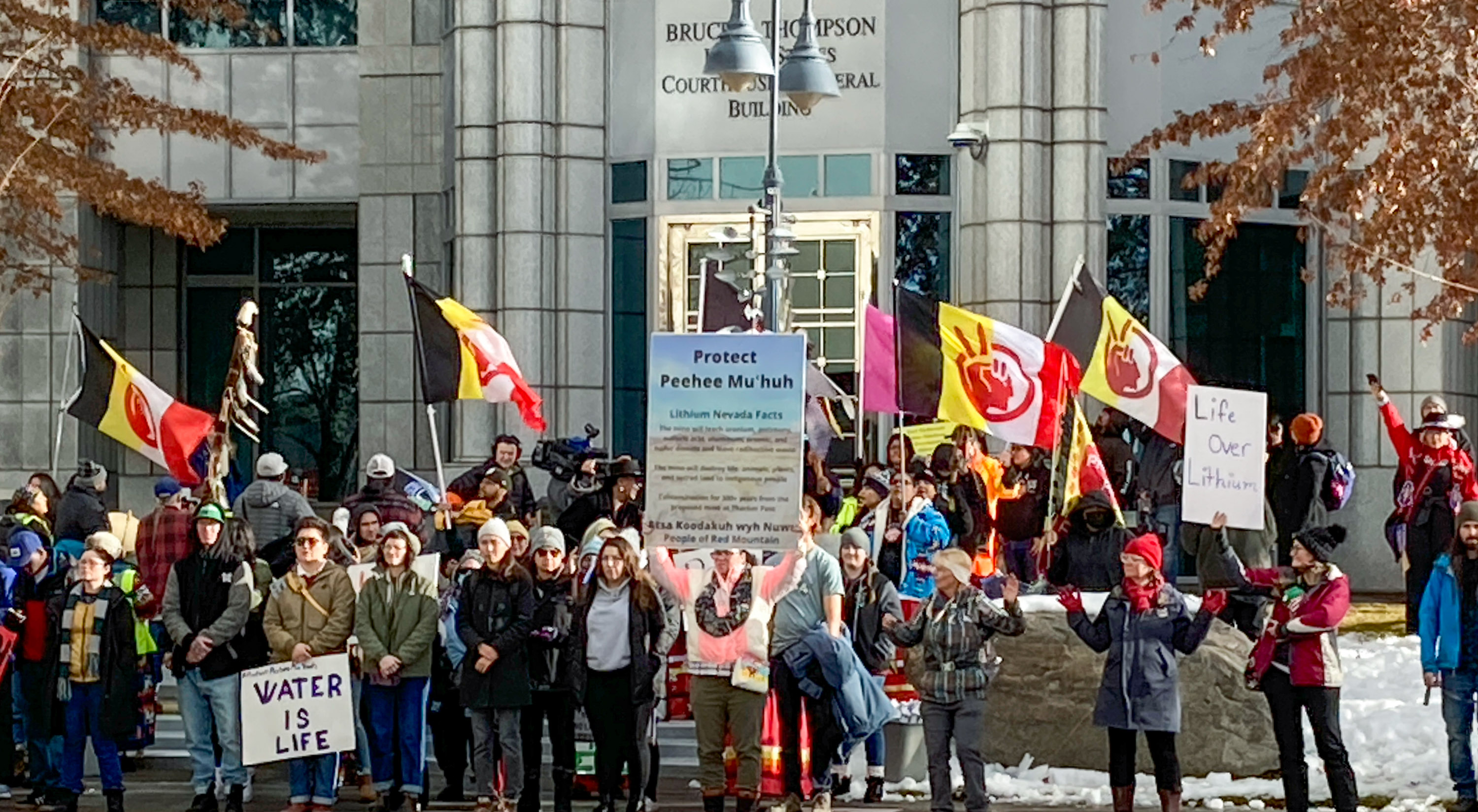
Q: It takes a long time to permit any large project. And we’ve already seen pushback against some mining proposals, including a lawsuit against the Thacker Pass lithium mine in Nevada. How will the DOE or the administration ensure that the nation can build up adequate capacity to hit climate goals, while also balancing environmental impacts and community concerns?
A: There’s a reason we have the [National Environmental Policy Act] and other environmental laws, and we need to be true to both the spirit and the text of it. But we also have a real need, just as you said in your question, to try to build up quickly.
You can do permitting that’s smart and thoughtful and takes into account all the environmental repercussions and ramifications. But you can do it in a timely way, and in a way that doesn’t just drag out for years and years and years. Especially if you do it in a way that has community engagement right from the get-go. A lot of times you get lawsuits and delays if you’re trying to do things and you’re not bringing the community along right from the start and making sure that there’s a mutually beneficial piece to it.
AP PHOTO/SCOTT SONNER
The other thing that we’re certainly doing from the Department of Energy side is a lot of focus on recycling, especially as we get higher and higher volumes of these materials. We’re also looking at alternative chemistries and other research and development—to try to use less of this, more of this, if it’s more readily found to have less environmental implications. So that’s something that we’re spending a lot of funding and time and energy on as well.
Q: The IRA has created friction with the EU and other allies, including complaints that the local-content requirements and other provisions will unfairly favor US industries. Can you describe what efforts the administration is taking to address those concerns?
A: We are having a lot of very constructive and good conversations with our European colleagues on some of their concerns on the IRA, and some of the concerns on the provisions. We’re stronger if we go forward together, including on critical minerals, including on the supply chains.
There’ll be additional meetings on that front. But I’m quite pleased with the fact that we can have open, candid conversations, and we can work through these issues—as allies should, as partners should.
Q: What is the state of the discussions around what countries might be able to supply critical minerals and battery components for products that qualify for the tax incentives—and what a “free-trade agreement” means in the context of the IRA?
A: These are very active conversations going on right now. There’s both the particular decisions that are being made within the contours of the IRA and the various components of that. And then there’s a broader set of conversations of what we could do to work together to have diverse supply chains, to make sure that we’re working together on that front.
The volume of what we’re going to need for solar PV and batteries and EVs and the full clean-energy transition we’re in the midst of is so immense that I’m firmly of the opinion there’s an awful lot of money to be made by a lot of entrepreneurs, a lot of companies, whether they’re US companies or European companies or Japanese companies or Australian companies.
When you have a pie that’s growing bigger, and growing substantially bigger, it feels like we can have some good, productive, constructive conversations that everybody’s feeling good about.
The last thing I’d say is we’re not making excuses or asking permission to take care of our own US industry and US jobs and manufacturing. We feel incredibly proud of all that we’re doing on that front. But there’s a way to do it in a way that’s in partnership with allies as well.
Editor’s note: Following this interview, the Wall Street Journal reported that the Biden administration is negotiating the creation of a “critical-minerals club”with European officials. It would ensure that materials provided by certain allies, such as the EU and the UK, would qualify under the terms of the Inflation Reduction Act.
Read More
James Temple