

A lot has happened in the past 12 months, with a change of monarch and two new prime ministers, to name just some of the major events to shake up the higher echelons of UK public life. While the latest PM has his hands full with the economy, there are plenty of challenges awaiting the top people influencing construction, too – from rampaging inflation to labour shortages. So who are the individuals who could make a difference in 2023?
Andy Lord
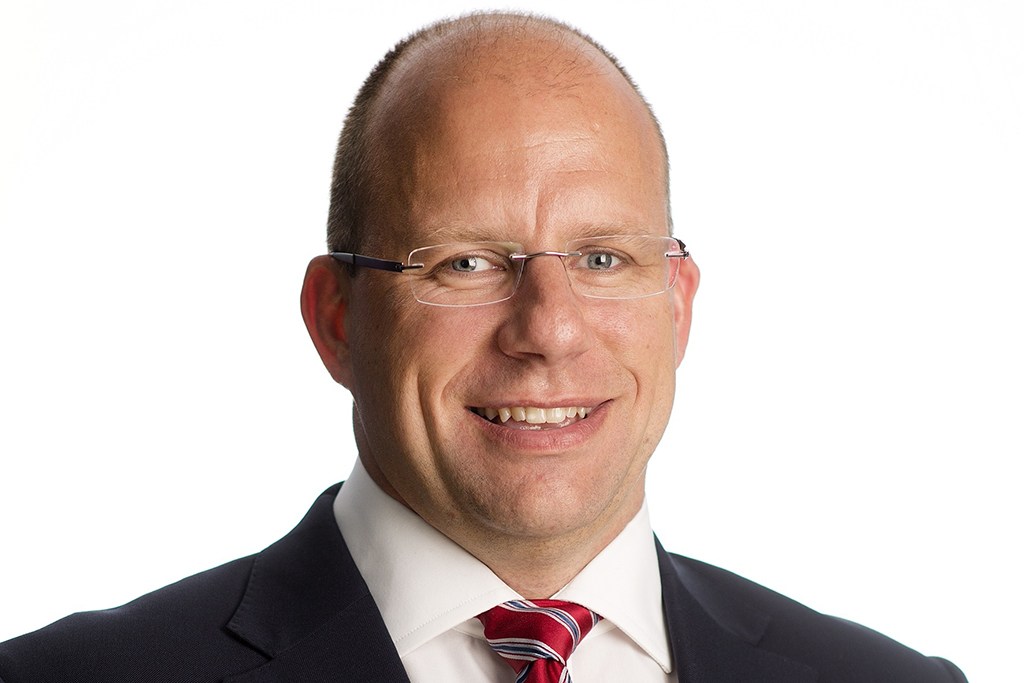
As interim transport commissioner for London, Lord is responsible for delivering on the aims set out in the mayor’s transport strategy. Published before the pandemic decimated fare income, this included some stiff targets.
The 2018 strategy called for 80 per cent of journeys in the capital to be made on bike, foot or public transport by 2041, alongside a 72 per cent drop in carbon emissions over the same period.
However, a business plan published in 2019 made reference to major projects such as Crossrail 2 and the Bakerloo underground line extension – neither of which are likely to progress in the current financial climate.
Former aviation chief Lord has a major challenge on his hands in translating the long-term funding deal – finally struck with government in August – into impactful work on the ground. Contractors will no doubt be watching closely to see how he goes about his task.
Rishi Sunak
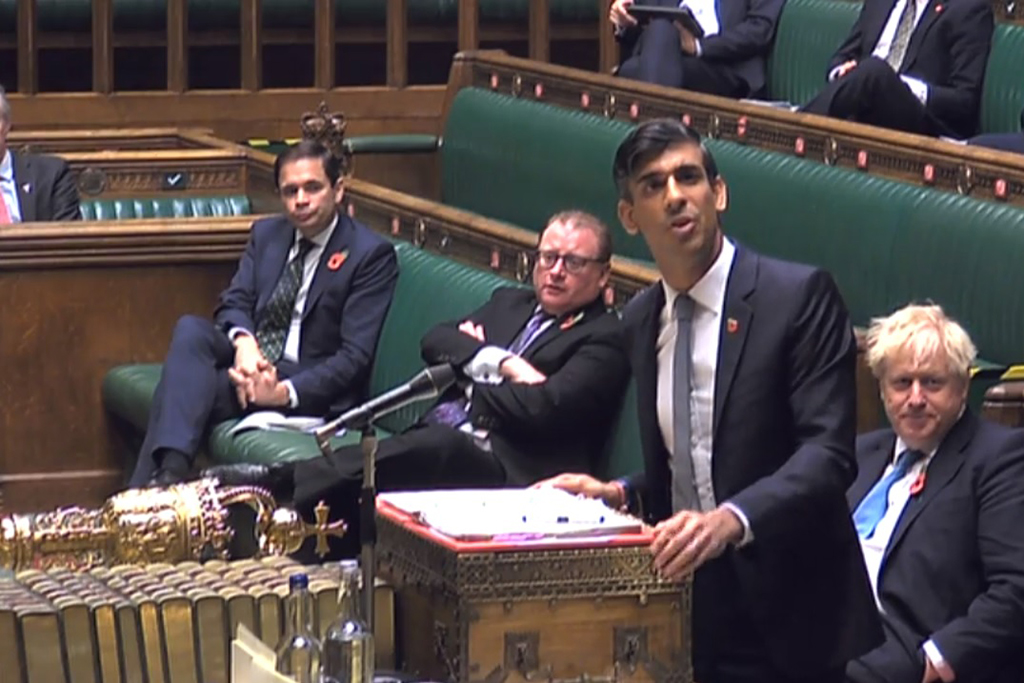
After a turbulent year that saw the government led by three prime ministers and four chancellors, the construction industry is primarily looking to Rishi Sunak to stop the doors of Downing Street revolving quite so rapidly again. The Civil Engineering Contractors Association said restoring stability should be the prime minister’s “overwhelming priority”.
With soaring borrowing costs and rampant inflation squeezing the sector as much as it is stymying household spending, the 2023 forecast for the industry is somewhat bleak – and any wrong moves by Sunak could spook the markets further, tipping the economy into the abyss.
Many in construction may worry about having a former chancellor at the helm. With real-term cuts to capital spending coming into force from 2025 onward, planning will need to start soon on where the axe will fall.
Sunak really does have the construction industry’s fate in his hands as he embarks on a policy agenda designed to avoid the negative market reaction that met his predecessor’s plans.
Rachel Reeves
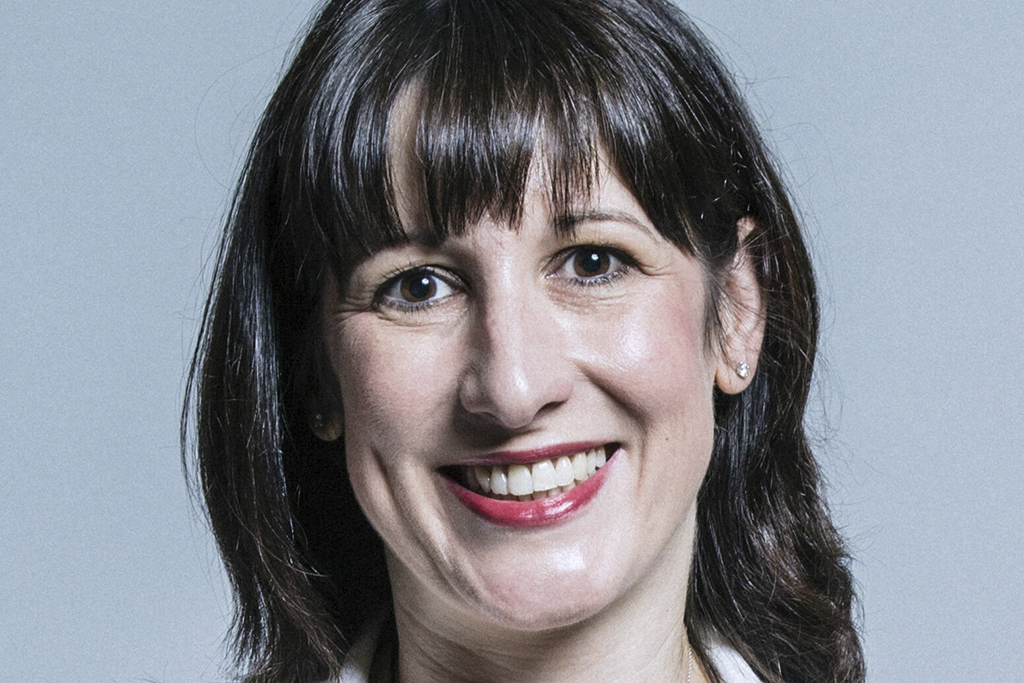
There comes a time in every political cycle where those seeking influence turn away from the party in power and towards the opposition, as it starts to look like it can seriously take over. CN has heard talk from lobbyists at industry trade bodies of a pivot firmly towards the Labour Party in recent months.
With the opposition consistently ahead of the Conservative Party in opinion polls throughout much of 2022, their fortunes in 2023 will be watched by many. And shadow chancellor Rachel Reeves will be among its key fortune-shapers.
The former Bank of England economist and Leeds West MP responded to several different plans from several different chancellors in 2022 with an assured and confident performance. But the key question in 2023 is whether she will she get the chance to come up with her own.
Sarah Cardell

Appointed as the interim chief executive of the Competition and Markets Authority (CMA) in June 2022, Sarah Cardell heads into 2023 in charge of a 900-strong team with a number of construction-related items in their collective in-tray.
A final report is expected imminently on the demolition bid-rigging saga, which saw the CMA announce a provisional finding of illegal cartels operating in the sector. The CMA will also need to approve the buyer of MBCC’s chemical admixtures in the UK and several other countries, after it approved a merger with Swiss multinational Sika in December.
The watchdog will also be keeping an eye on mega-projects such as HS2, having warned about costs on a big overhead-cable contract before the merging firms Bouygues and Equans agreed to withdraw one of their bids. From construction activity alone, Cardell looks set for a busy year.
John Wilkinson

Former Kier and Laing O’Rourke chief John Wilkinson took on a new UK and Ireland oversight role as part of a restructure at Royal Bam Group at the start of 2022. Bam Construct executive director Doug Keillor then stepped down after more than five years at the top of the UK business, with the parent company saying it was “reviewing whether certain roles would be recruited for in future”. Bam Nuttall’s interim chief executive Ian Parish also announced his retirement in November.
Having sold its German civil engineering business Wayss & Freytag, Royal Bam is fully focused on work in the Netherlands, Belgium, the UK and Ireland in 2023. The expectation will be for Wilkinson to bring in big deals, with the parent company’s chief executive Ruud Joosten saying in November that there was “good momentum for energy and defence projects and the rail infrastructure network” on UK shores.
Philip Wainwright
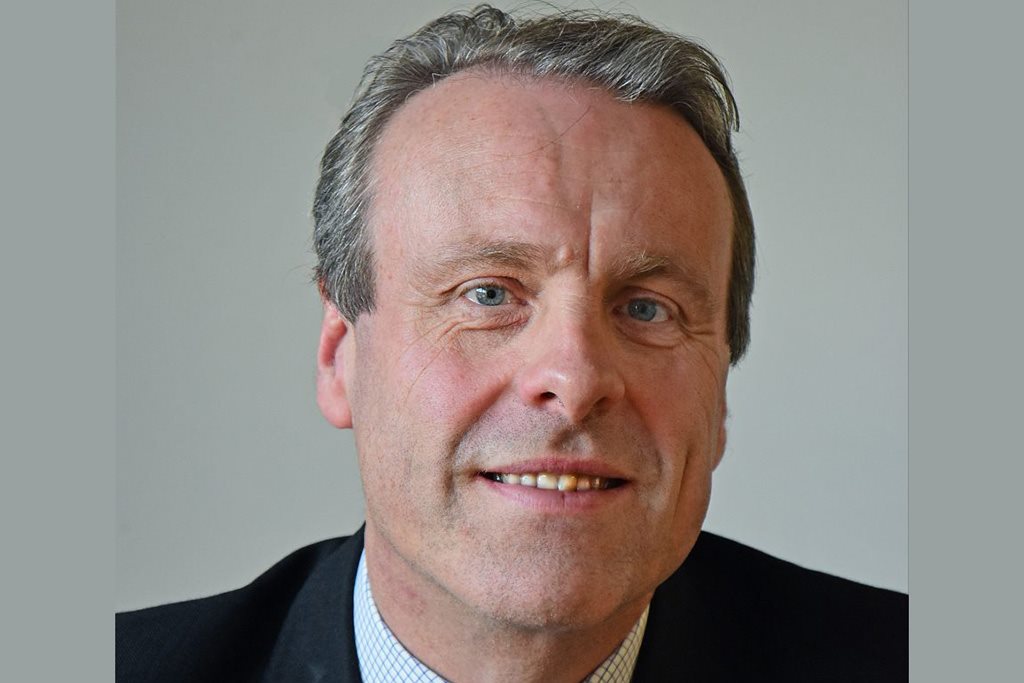
Promoted to chief executive of Wates on an interim basis last summer, former chief financial officer Philip Wainwright is all set to lead the CN100 top-10-listed contractor into 2023.
Wainwright is no stranger to the industry, having previously worked for Balfour Beatty, Willmott Dixon and Laing O’Rourke among others, but he has big shoes to fill in replacing David Allen at the helm of Wates. The firm posted strong financial results under Allen, with pre-tax profit in excess of £35m for the pandemic-dominated year to 31 December 2021.
In a first glimpse of his plans, Wainwright told Construction News in September that changes brought about by the Building Safety Act offered an “enormous opportunity to build better”.
Mark Reynolds
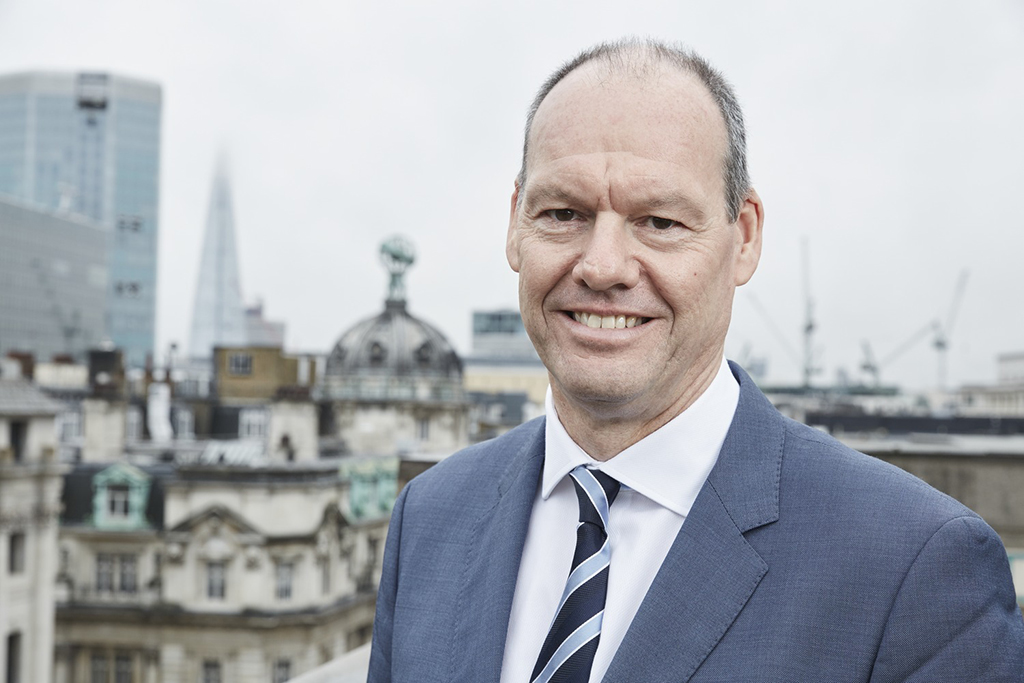
As if he doesn’t have enough on his plate leading the CN100 top-10 firm Mace, Reynolds is now co-chair of industry body the Construction Leadership Council (CLC). His dual role will require him to tackle the economic headwinds not only in his day job, but also on a collective industry basis.
In September, Reynolds told Construction News that one of his key areas of focus at the CLC is to help “prevent insolvencies” – a task made all the more difficult by high inflation and soaring borrowing costs.
At around the same time, the leader whose experience includes Heathrow Terminal 5 and London Olympics delivery was lamenting a £60m revenue hit for Mace that was attributed to contract renegotiations prompted by the wider ripple effects of the war in Ukraine. The industry will be hoping Reynolds can steer both his ships through choppy waters in 2023.
King Charles
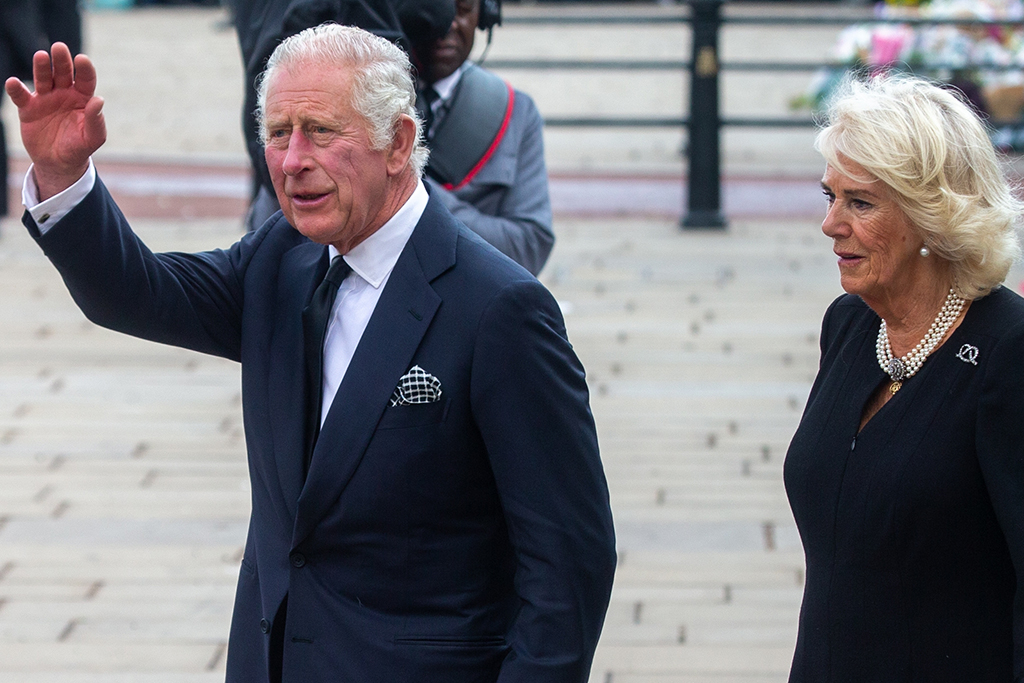
As the industry mourned the passing of Queen Elizabeth II in September, thoughts began to turn to the long-awaited reign of her son, King Charles III.
During more than seven decades as heir to the throne, the King has given us plenty of clues as to his views – some of the most passionate of which have been about the built environment.
As Prince of Wales, Charles aired strong opinions on architecture and even backed the development of Poundbury in Dorset, which houses more than 3,000 people in homes built according to principles he advocated.
As King, Charles owns the multibillion-pound Crown Estate property portfolio, making him potentially one of the biggest clients the industry has.
Kate Rock

Conservative peer Kate Rock – a former vice-chairman of the political party – now holds two major roles in the construction industry. She is a senior independent director at Keller and chair of Costain’s board.
Announcing Rock’s appointment in September 2022, Costain senior independent director Tony Quinlan described her as having “a strong understanding of the construction contracting sector; the application of innovation and technology to drive productivity enhancements; and government”. He backed the busy peer to “support the acceleration of our transformation”.
The construction industry will hope to benefit from having one of its own in Parliament, while Rock might take some lessons from site into the chamber.
Roger Morton

Former Sandhurst military training chief Roger Morton’s arrival at Willmott Dixon was trumpeted as he was named director of strategic change at the Hertfordshire-headquartered contractor last summer. At the time he said he was looking forward to “using my experience to help the company realise its ambitions”.
During a long and varied career in the defence and military, Morton led engineer deployments to Iraq, directed leadership training at the Royal Military Academy Sandhurst and developed the capability of Pakistani security organisations, according to his profile on LinkedIn.
Since then he has worked for Vistry Group and now has his sights set firmly on transforming Willmott Dixon in the coming year.
Read More
Greg Pitcher